Husband, Father, Grandfather, and Army Vet🇺🇲🇺🇲🇺🇲
Joined April 2022
- Tweets 496
- Following 903
- Followers 839
- Likes 1,112
2 Photos and videos

mmitchell retweeted
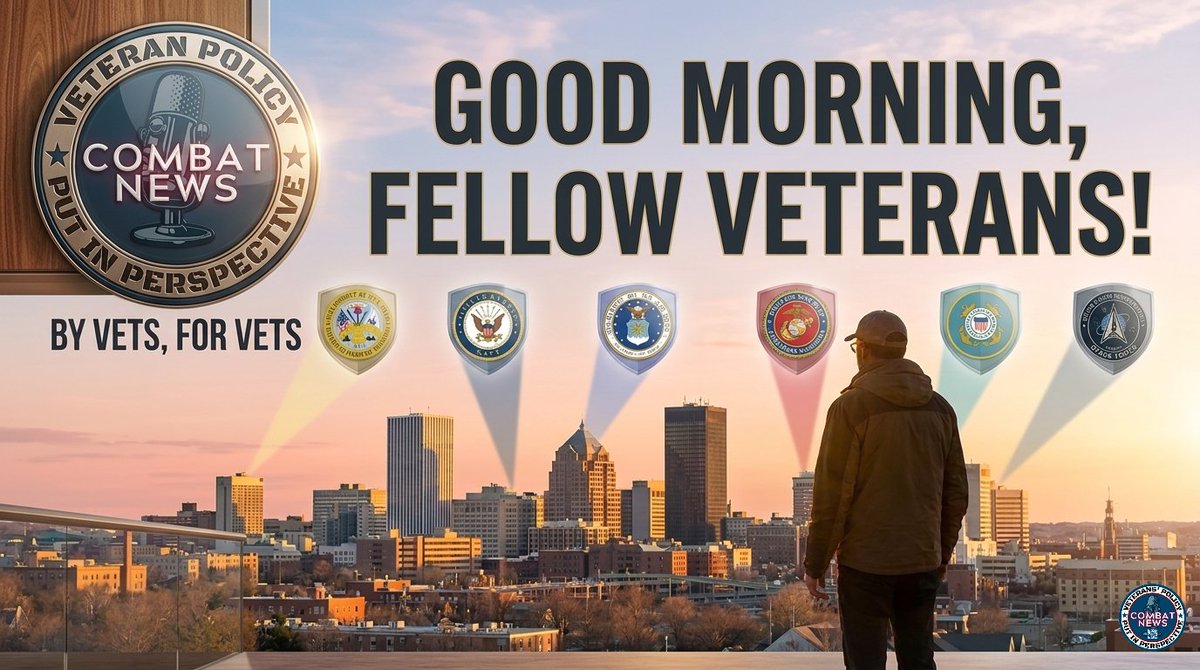
Good Morning, Fellow Veterans! 🌅
This morning, as we watch the sun rise over the skyline of our beautiful cities, we are reminded of the strength, resilience, and unwavering commitment that unites us all. 🇺🇸✨ We stood for something great, and today, we continue to stand strong, supporting each other!!
🇺🇸By Vets, For Vets...that's more than a slogan; it's our promise. 💪
The journey isn't always easy, but like the dawn after a dark night, there is always new hope and new strength to be found.
Take a moment to reflect on your journey, the bonds you formed, and the purpose that still guides you. You are part of an incredible, diverse force that spans generations and branches, each shield a testament to service and sacrifice. 🛡️🌟
🇺🇸Let this morning be a fresh start. Let's lift each other up, share our perspectives, and continue to serve with integrity and passion. Your story matters. Your perspective matters. 🗣️❤️
💯Keep moving forward. Keep supporting. Keep the perspective...
To the future, together! 🚀🇺🇸
#VetsSupportingVets #GoodMorningVeterans #VeteranStrong #ByVetsForVets #CombatNews #Perspective #SunriseReflections #UnitedWeStand 🇺🇸
@StaticBastard1 @BobLonsberry @Stevo_1969
3
11
149
mmitchell retweeted

May 22
x.com/i/status/2051097640356…
Let's get this some noise y'all. Our veterans deserve so much better. HR 438 aims to strengthen protections of the Joseph P Dwyer Act. I know many that don't want anything to do with the VA as all they tend to do is push pills.
@TheRobbCarter

2
3
5
211



May 15
This goes on all over government by contractors. RFP's must contain verbiage to protect against this to insure accessibility and support at a set price.

For 20 years, a $6 knob that takes one hour to 3D print has been grounding Black Hawk helicopters four times a month, and the contractor responsible won't sell us the part or the IP rights to fix it ourselves.
So instead, American taxpayers have been paying $40,000 every single time to replace the entire system, multiplied by four times a month, for two decades.
That is NOT a procurement problem, that is a shakedown, and it is exactly why right to repair has to be in this year's NDAA.
3


mmitchell retweeted
👀Do you want veterans representing you or your organization/business at a Golf Tournaments this year??👀
⛳️ Drive Change with Combat News Golf!
Elevate your brand and support the mission. Partner with Combat News to be seen, heard, and recognized on the green this season.
🏆 Sponsor Veterans that LOVE TO WIN! We play to win! Have shirts? We wear em proudly since you sponsored us!
🎙 High Visibility: Your company becomes part of our story, featured across our media and at the tournament.
🇺🇸 Support Veterans: Directly sponsor a squad of heroes to hit the fairways FOR YOU AND OUR VETERAN COMMUNITY!
Ready to SPONSOR??
📩 Email: CombatNewsNY@gmail.com
🌐 Visit: COMBATNEWS.ORG
Comment "GOLF" below to secure your spot for 2026! #CombatNews #ByVetsForVets #GolfTournament #VeteranSupport

4
4
116
mmitchell retweeted

Apr 21
🚨 GIVEAWAY ALERT: JOIN THE MISSION! 🚨
We are on the road to 5,000 followers, and we want to gear you up along the way!
🇺🇸 At Combat News, we’re dedicated to providing unbiased veteran policy and news..now it’s time to show our appreciation for the community.
👕 HOW TO WIN
For every action you take, you earn an entry into our random computer-generated drawing for a chance to win a custom Combat News Shirt or Hoodie!
LIKE this post = 1 Entry 👍
FOLLOW our page = 1 Entry ✅
SHARE this post = 1 Entry 📢
(Do all three to triple your chances!)
🧐 WHY COMBAT NEWS?
We bring you veteran news with an unbiased perspective. It’s your voice, your community, and your policy, put into perspective.
🔗 Visit us at: CombatNews.org
Help us reach our 5K goal! Ready, set... SHARE! 🇺🇸
#CombatNews #VeteranPolicy #Giveaway #MilitaryCommunity #JoinTheMission #5KFollowers
@5Gables

6
26
36
1,128
mmitchell retweeted
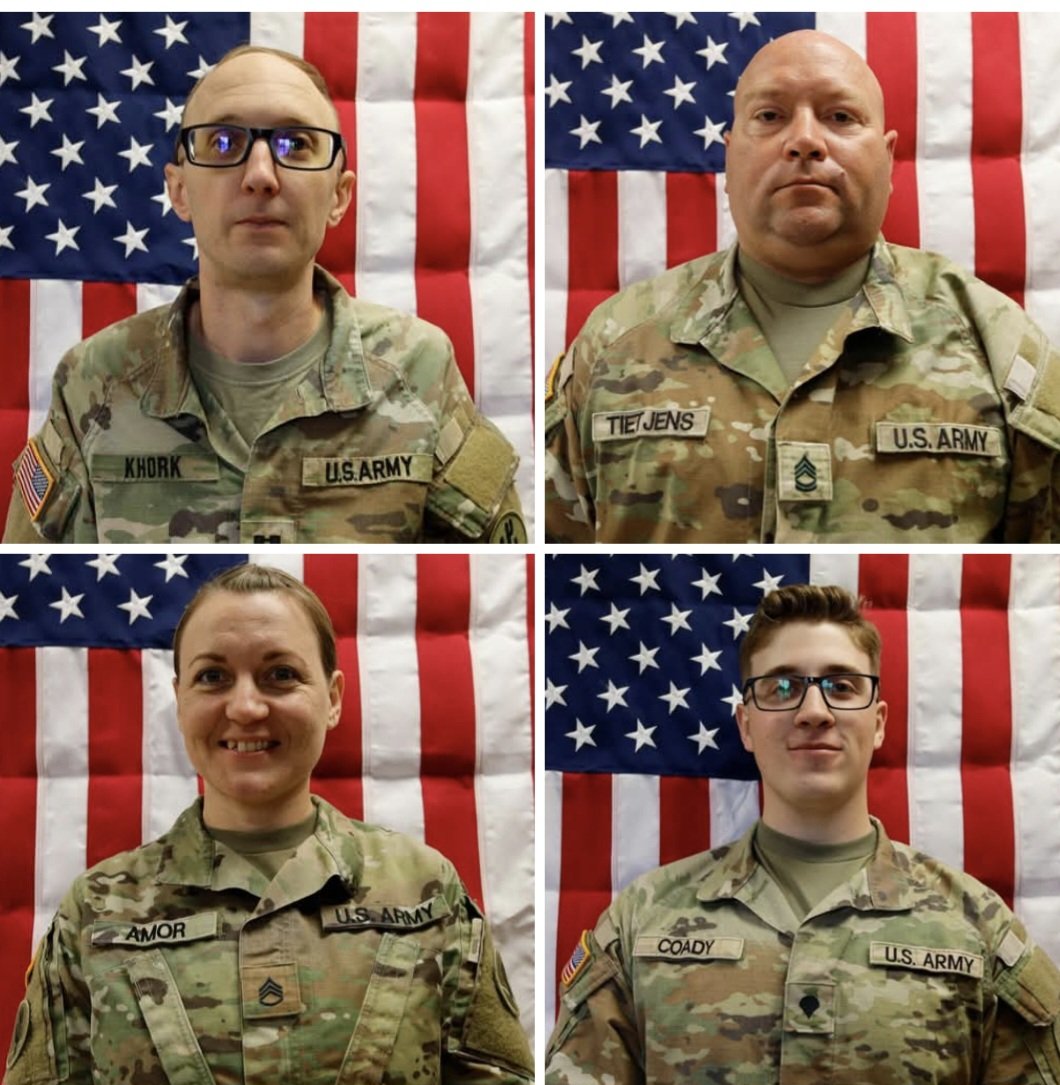
🇺🇸 To the Families of Our Fallen Brothers and Sister 🇺🇸
With heavy hearts, the Combat News Team offers our deepest condolences to the families of CPT Khork, SFC Tietjens, SSG Amor, and SPC Coady.
🫡 To us, they were more than names on a manifest...they were the backbone of this new mission for America and the heart of the mission! Each of them served with a bravery that most will never know, and a dedication that we will never forget! 🇺🇸💪🇺🇸
🎖 While no words can ease the weight of this loss, please know that your loved ones died as heroes, and they will live on in the stories we tell and the freedom they protected.
🇺🇸We stand with you in grief and in honor.🇺🇸
🎙The Combat News Team
4
8
394
mmitchell retweeted
I am following everyone back as X allows it. All the love ive been receiving has been overwhelming and I appreciate it greatly! Im looking forward to the positive progression for our veteran community in 2026!! One team..one fight!
2
2
22
296
Feb 24
Maybe a little prodding by getting vets together outside the VSA to demand answers. Someone should be held accountable for treating a vet like this. Time to make some noise.
Feb 24

I think this veteran deserves to get answers! Especially after finding out the lies already told that are hurting his life..his mental state and his progress in life!
10
mmitchell retweeted
Feb 18
We welcome @SecVetAffairs
Or any VA representatives to attend TONIGHT AT 7PM EST as well!!! HEAR FROM REAL VETERANS...ONES THAT ARE AFFECTED BY THE VA DAILY FROM ACROSS THE USA!!!
x.com/i/spaces/1vJpPrrYEpVJE
@5Gables @blankcombatnews @mamitchellsr @nuke_mega63623 @RobWarnock3 @glockman_32
4
4
4
140
mmitchell retweeted

House Committee on Veterans Affairs,
@realDonaldTrump @bostforcongress @congress
I am writing to respectfully urge the Committee to consider a structural refinement to the H.R. 438 PFC Joseph P. Dwyer Peer Support Program Act that is essential to its successful passage and long-term implementation.
The challenge facing this legislation is not a lack of support for peer-to-peer suicide prevention, nor questions about the effectiveness of the Dwyer model itself. The primary impediment is the current policy environment surrounding federal health care oversight.
H.R. 438 PFC Joseph P. Dwyer Peer Support Program Act's core strength, non-clinical, trust-based peer support delivered in the community is precisely what struggles to advance when programs are tethered to federal health systems...
x.com/5Gables/status/2012601…
I appreciate the Committee’s continued leadership on behalf of Veterans and respectfully urge you to consider this structural approach to ensure that H.R. 438 PFC Joseph P. Dwyer Peer Support Program Act can move forward toward prompt passage.
Respectfully,
Bill Adams
CombatNews.org
Veteran Policy Put In Perspective
cc: @sgtmitchell88 @blankcombatnews @glockman_32
@GratefulForDad @nuke_mega63623 @RobWarnock3 @Rippinghawk @mamitchellsr @ArlineL0 @lynnhowlett @Simondagrump @Headshok1962 @TimBR_X @The_Real_Bjorn1 @RepBost @RepMarkTakano
House Committee on Veterans Affairs, @HouseVetAffairs
I am writing to respectfully urge the Committee to consider a structural refinement to the H.R. 438 PFC Joseph P. Dwyer Peer Support Program Act that is essential to its successful passage and long-term implementation.
The challenge facing this legislation is not a lack of support for peer-to-peer suicide prevention, nor questions about the effectiveness of the Dwyer model itself. The primary impediment is the current policy environment surrounding federal health care oversight.
Ongoing litigation over health care funding conditions has absorbed significant leadership capacity across HHS, CMS and the Department of Justice, placing federal agencies in a defensive posture that has slowed evaluation, coordination and expansion of non-clinical mental health initiatives. Veteran mental health innovation has become an unintended casualty of this broader conflict.
H.R. 438 PFC Joseph P. Dwyer Peer Support Program Act's core strength, non-clinical, trust-based peer support delivered in the community is precisely what struggles to advance when programs are tethered to federal health systems that are overwhelmed by regulatory and legal demands. As long as implementation is perceived to depend on VA or federal health agency coordination, the bill remains vulnerable to delay, risk aversion and administrative inertia that have nothing to do with Veterans’ needs.
To address this, I respectfully recommend that the Committee advance H.R. 438 PFC Joseph P. Dwyer Peer Support Program Act through a structurally insulated model:
- The program would be funded by a dedicated federal appropriation outside the VA and federal health agencies
- Funds would be distributed to states as block grants based on Veteran population and related risk indicators
- States would allocate funding to counties, which would administer the program through their County Veterans Service Agencies
- Each county would designate a local nonprofit organization to implement the peer support model, consistent with the proven Monroe County framework
This structure accomplishes several critical objectives. It removes H.R. 438 PFC Joseph P. Dwyer Peer Support Program Act from contested federal health care regulatory domains, shields implementation from ongoing litigation and allows Veteran suicide prevention efforts to proceed expeditiously. At the same time, it preserves accountability through formula-based funding, transparent reporting and congressional oversight, while empowering local agencies who are already trusted by Veterans.
Importantly, this approach does not diminish the role or importance of the VA. Rather it complements VA clinical care by strengthening the non-clinical, community-based support network that often serves as the first point of engagement for Veterans in distress. By relieving pressure on overextended health systems, H.R. 438 PFC Joseph P. Dwyer Peer Support Program Act Enhances rather than competes with existing care.
Veterans cannot afford to wait for the broader health policy landscape to stabilize before receiving lifesaving support. A federally funded state block grant model that’s county administered and nonprofit implemented allows Congress to act decisively, demonstrate functional governance and advance a proven Veteran suicide prevention model without delay.
I appreciate the Committee’s continued leadership on behalf of Veterans and respectfully urge you to consider this structural approach to ensure that H.R. 438 PFC Joseph P. Dwyer Peer Support Program Act can move forward toward prompt passage.
Respectfully,
Bill Adams
CombatNews.org
Veteran Policy Put In Perspective
cc: @sgtmitchell88 @blankcombatnews
@RepBost @RepMarkTakano @RepJackBergman @RepNancyMace @RepMMM @RepGregMurphy @RepVanOrden @RepLuttrell @RepCiscomani @RepKeithSelf @RepJenKiggans @AbrahamHamadeh @RepKimKingHinds @tombarrettmi7 @RepBrownley @ChrisPappasNH @CongresswomanSC @MorganMcGarvey @repdeliaramirez @RepNikkiB @RepTimKennedy @RepDexterOR @RepHerbConaway @Morrison4MN
4
5
339

Jan 24
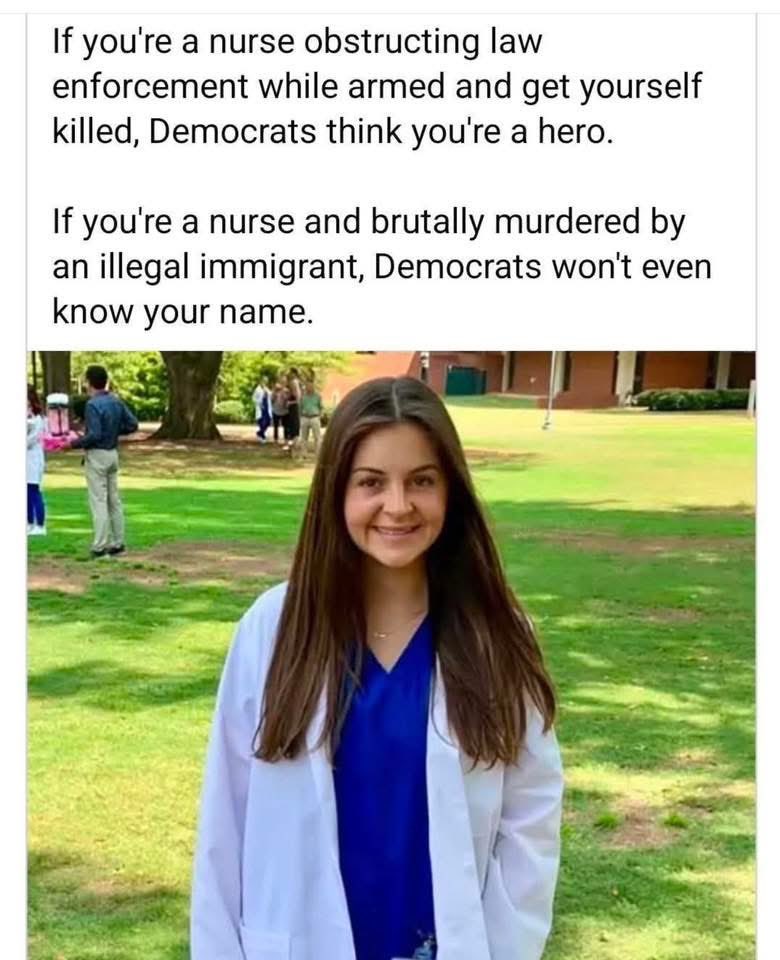
This will be a lot of us for the next couple days!!!

1
15
Jan 22
I'll say it again, get all families who have lost a loved one to an illegal together and force Democrats to comment.
8
mmitchell retweeted


77
395
2,564
72,468
9 Dec 2025
POS
9 Dec 2025

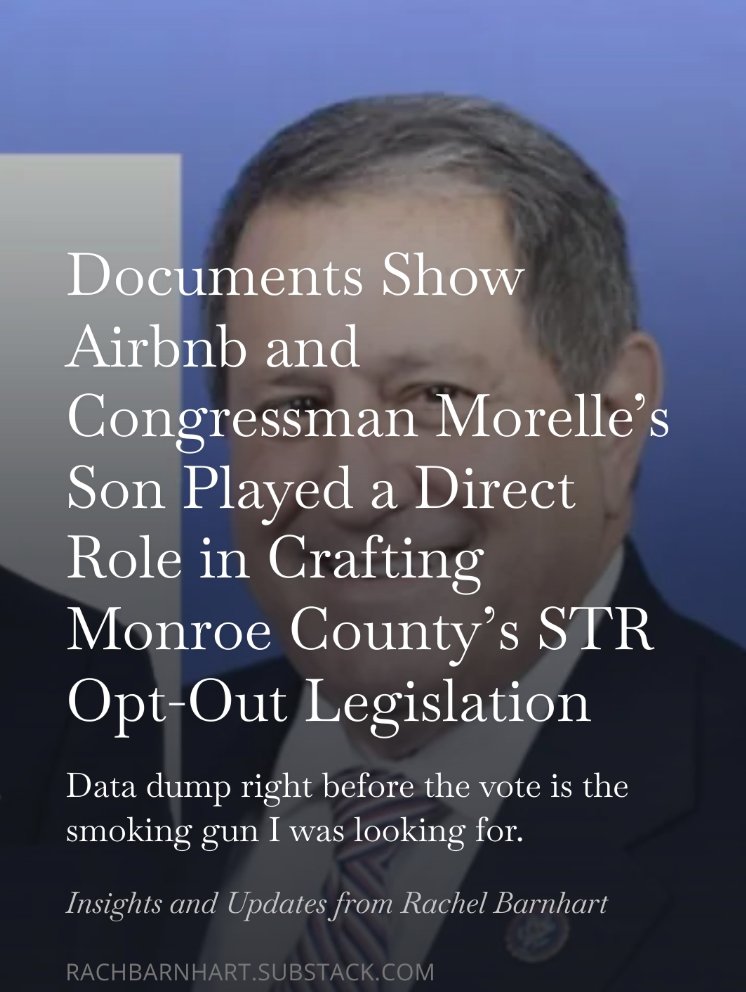
Read Bello's data dump here. it's everything I suspected.
Morelle's kid - a lobbyist for Airbnb - was deeply involved since last spring in crafting the rushed opt out bill favoring Airbnb we are about to vote on.
Monroe is ALONE among big Upstate counties.
rachbarnhart.substack.com/p/…
50

mmitchell retweeted
15 Nov 2025
Please subscribe to our YouTube page as we start to navigate into Live Stream as well. Thanks for your support!
youtube.com/@combatnews9077?…
3
8
281
mmitchell retweeted

31 Oct 2025
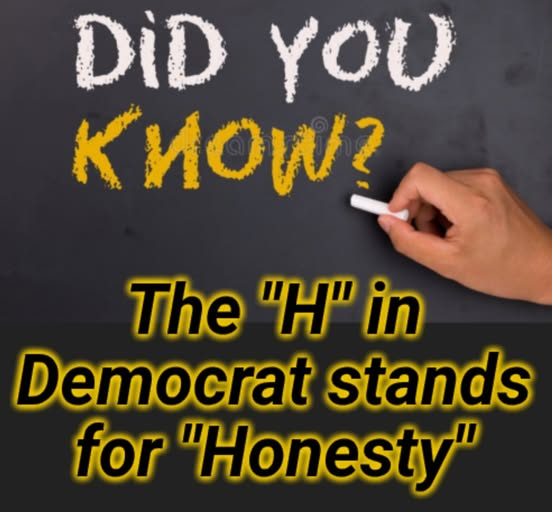
I didn't know this till today. MAGA!
4
1
3
75