Professor of Urology @LMU_Muenchen, VP Head of Clinical Development at Curium Pharma - former R&D J&J - Sports Medicine 🚵♀️Passionate Cyclist
Joined February 2013
- Tweets 1,703
- Following 2,160
- Followers 3,017
- Likes 2,177
453 Photos and videos

Sabine D. Brookman-May retweeted

May 26
Debating prostate radiotherapy for metastatic hormone-sensitive #ProstateCancer. @TylerSbrt7 @UCSanDiego joins @l_ballas @CedarsSinai outlining his approach to radiation therapy for the primary tumor in metastatic hormone-sensitive prostate cancer. He summarizes three randomized trials that consistently show a progression-free survival benefit, particularly in patients with low-volume metastatic disease. #WatchNow on UroToday > bit.ly/4t9XGaq @APCCC_Lugano #APCCC26
6
18
3,228

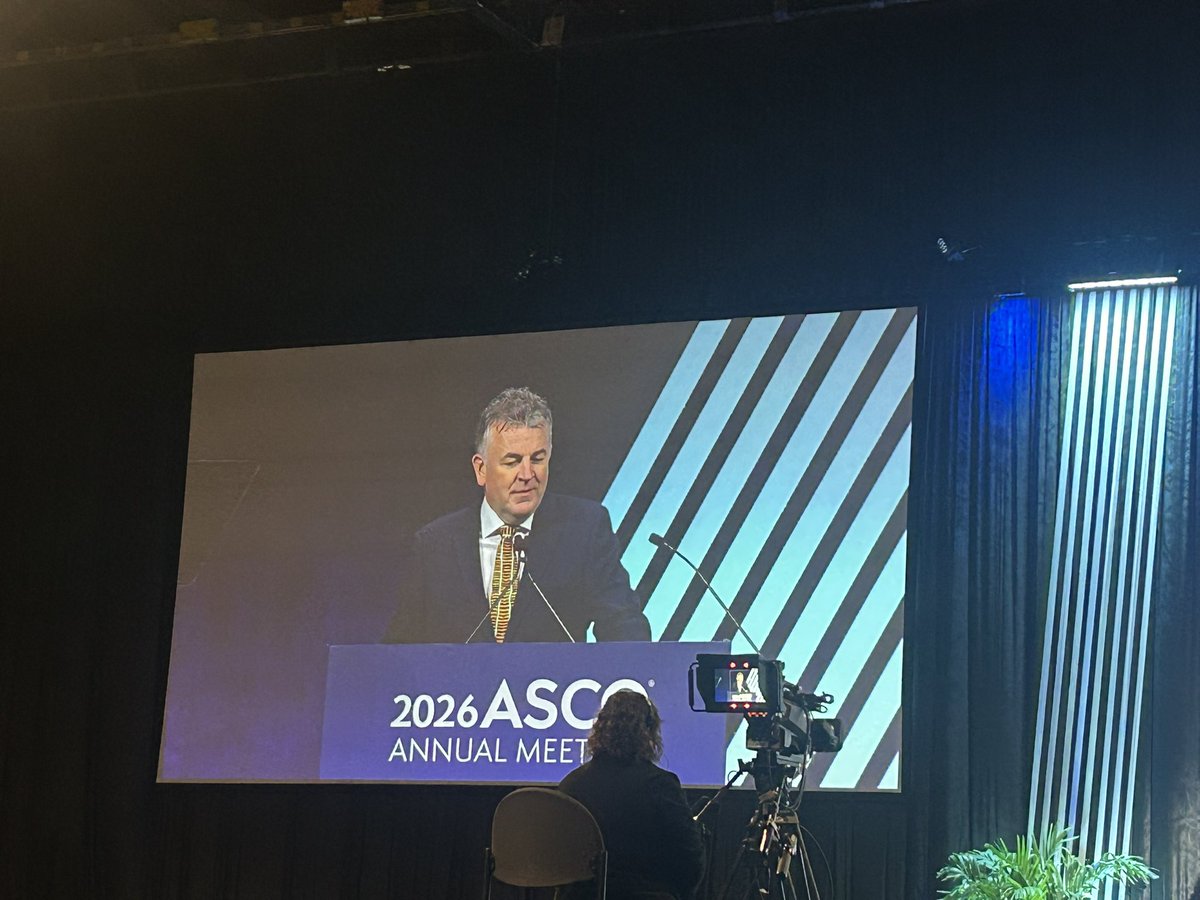
I don’t really understand this discussion here around PLND as it concerns #PROTEUS. In the Proteus study all patients received per protocol RP with extended PLND. And @declangmurphy didn’t recommend skipping #PLND as far as I heard it during his discussion at #ASCO2026 - he just raised the question whether in the future we may consider re-assessing the need for the adjuvant portion of treatment #ProstateCancer @ASCO @urotoday

and Declan Murphy is ignoring the clear evidence on PLND pubmed.ncbi.nlm.nih.gov/3947… and pubmed.ncbi.nlm.nih.gov/4110…
2
5
17
7,061
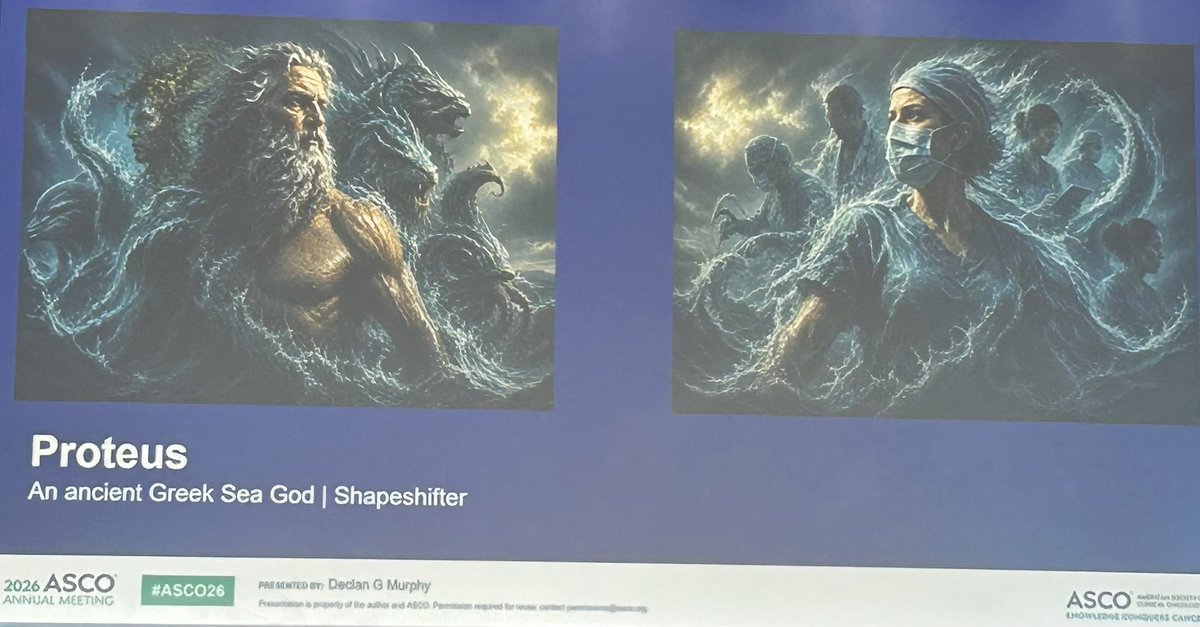
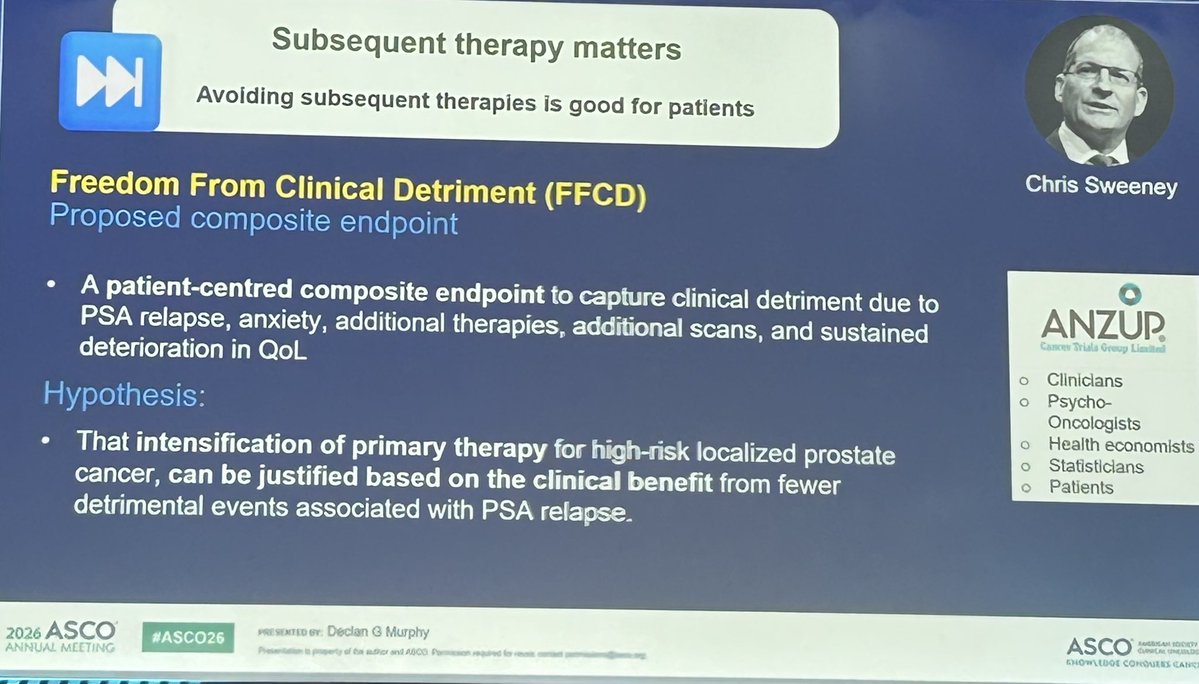
#PROTEUS presentation excellently discussed by @declangmurphy focusing on the right aspects to be discussed in early stage #ProstateCancer studies #Enzarad #Proteus next steps to be implemented - including the development of #FFCD Freedom From Clinical Detriment as an endpoint to prove true benefit for patients
Thank you for generating visibility for this important upcoming endpoint work @declangmurphy
@ChrisSweens1 #ASCO2026 @OncoDailyGU @oncodaily @urotoday
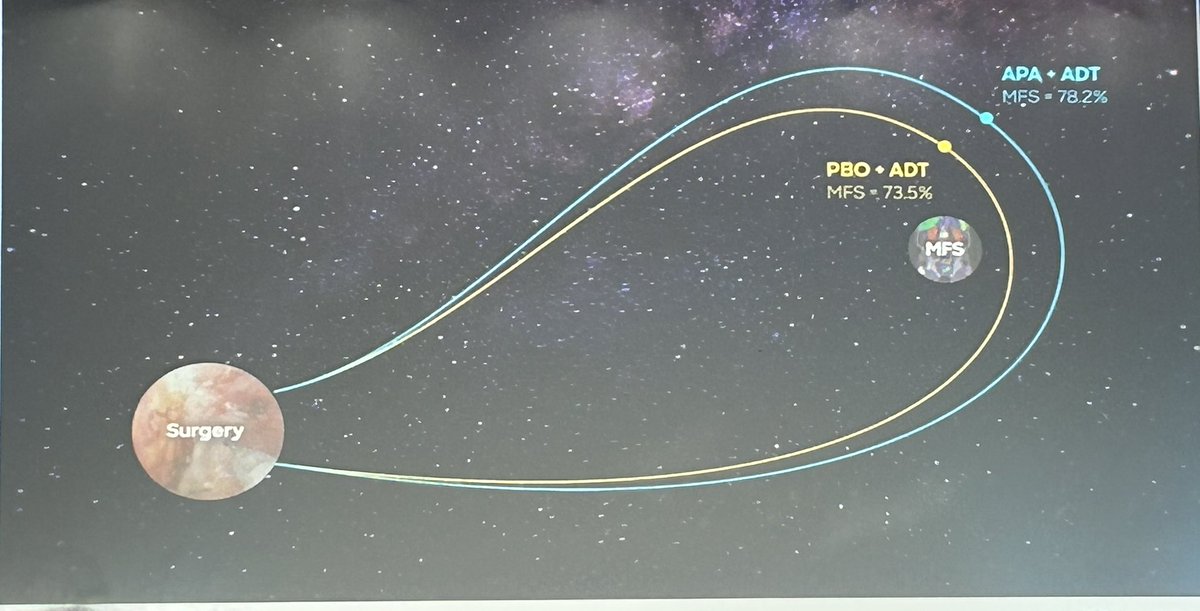

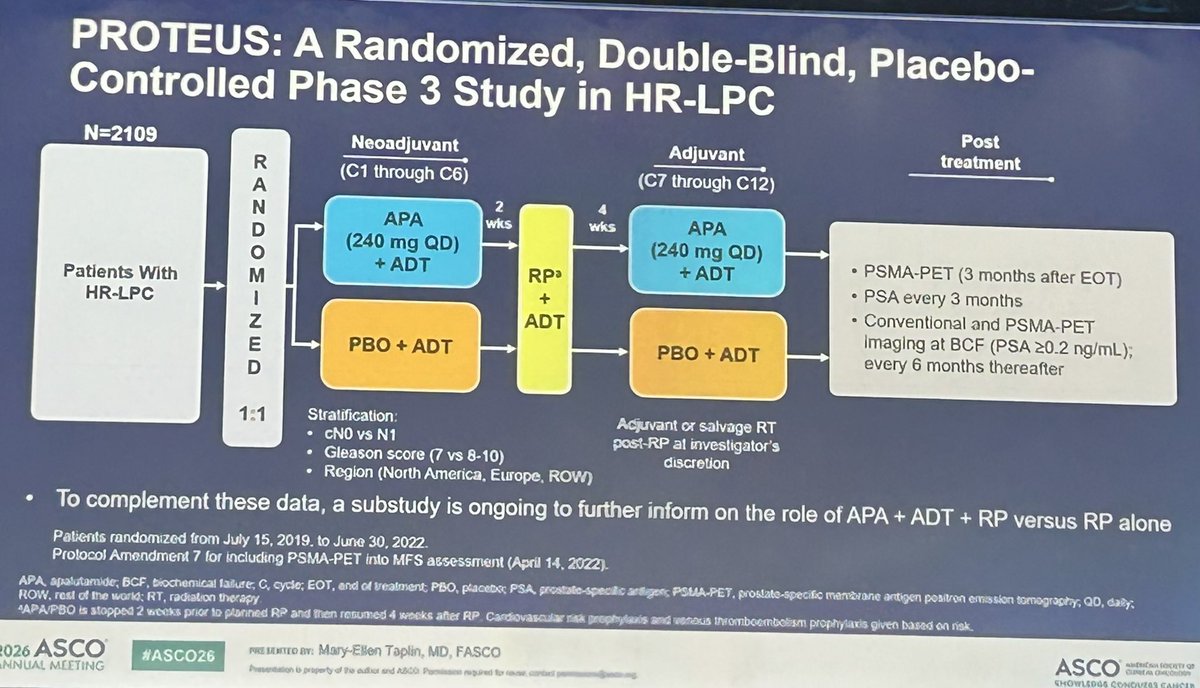
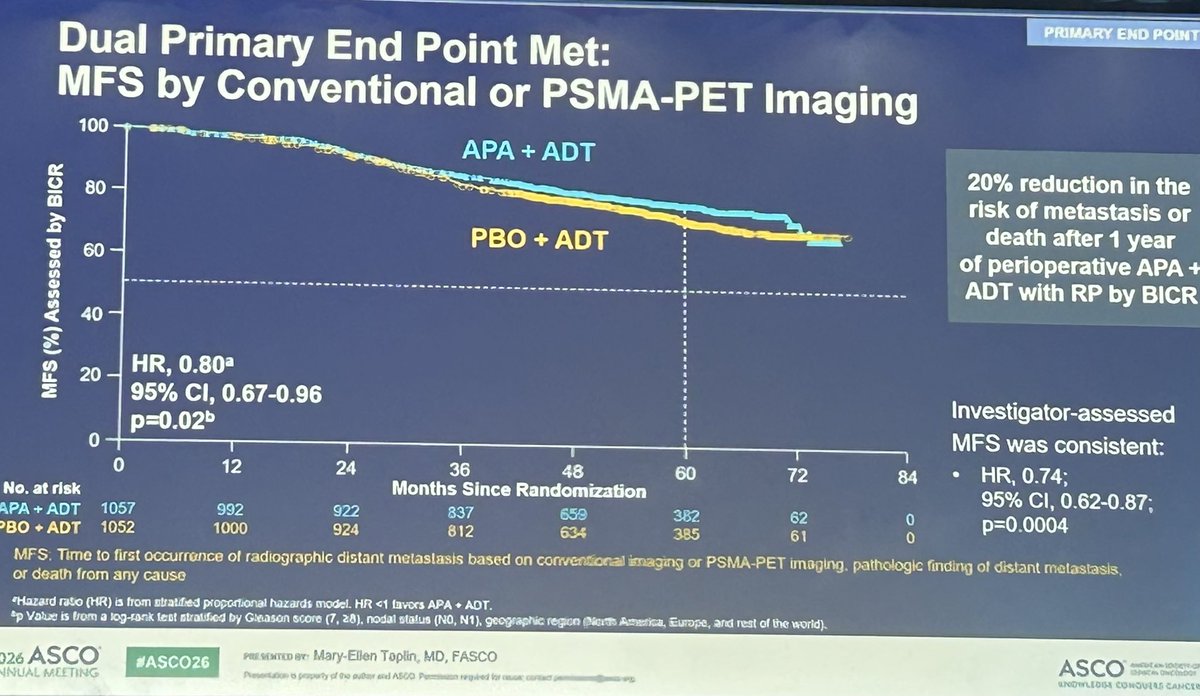
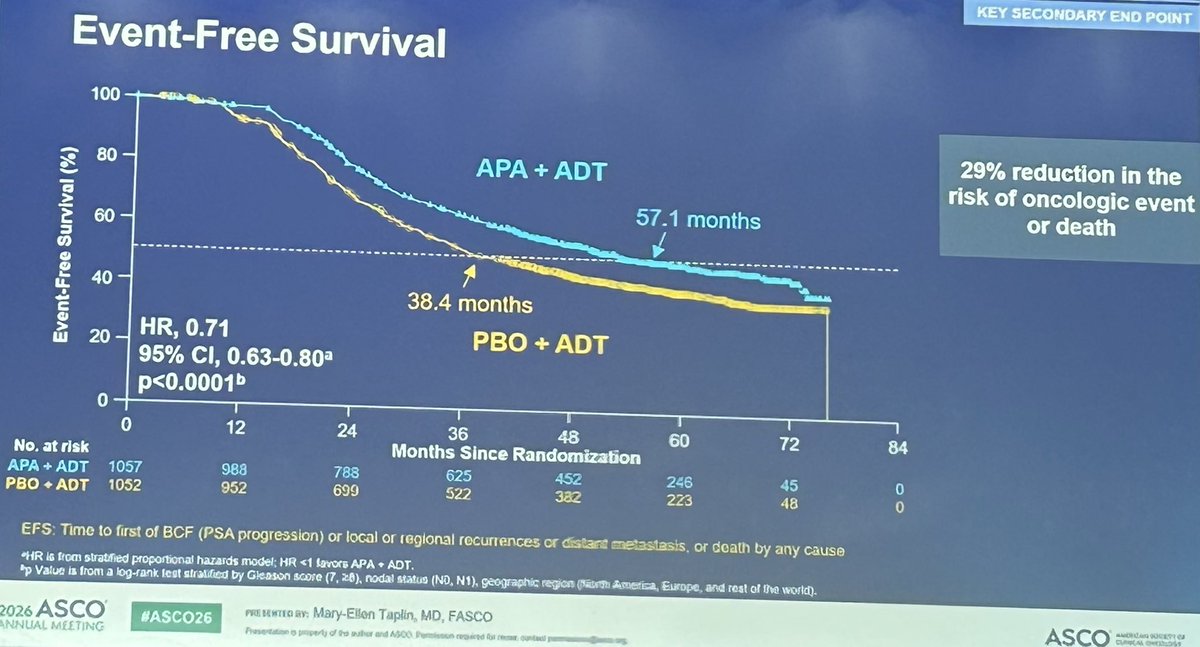
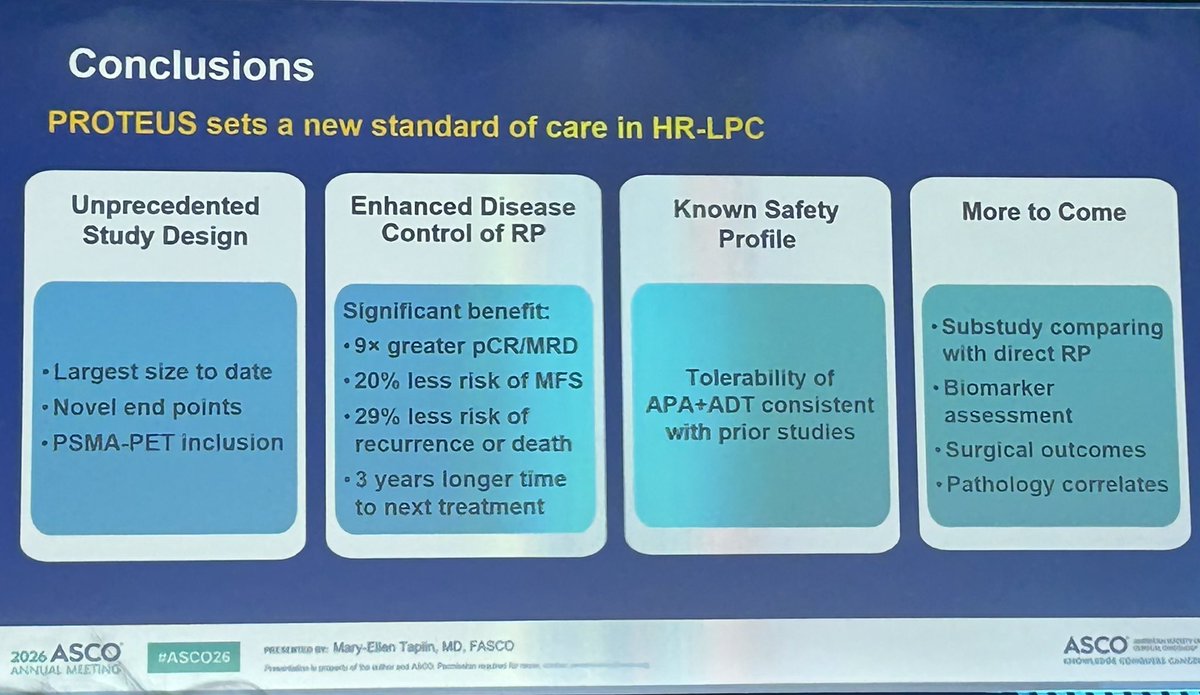
Finally #PROTEUS (#MyBaby) presents results. Significantly improved outcomes reported by Mary-Ellen Taplin for #neoadjuvant/perioperative treatment with #Apalutamide prior to #RadicalProstatectomy
PCR/MFS ( based on #PSMAPET), Time to subsequent treatment, to distant mets significantly improved
#ProstateCancer #ASCO2026
1
13
21
3,972
I would still look more in the differences between GS 8 vs 9-10 @ChrisSweens1 which might not have been the same between Enzarad and Proteus and higher in Proteus
Imaging might be one minor contributor but I don’t think it would shift Enzarad considerably
And surgery - maybe - as a urologist would love to say yes, but probably not
ARPI - maybe…
#Enzarad #Proteus #ASCO2026 #ProstateCancer

2
1
7
1,993
Finally #PROTEUS (#MyBaby) presents results. Significantly improved outcomes reported by Mary-Ellen Taplin for #neoadjuvant/perioperative treatment with #Apalutamide prior to #RadicalProstatectomy
PCR/MFS ( based on #PSMAPET), Time to subsequent treatment, to distant mets significantly improved
#ProstateCancer #ASCO2026
9
31
8,683
Sabine D. Brookman-May retweeted

May 29
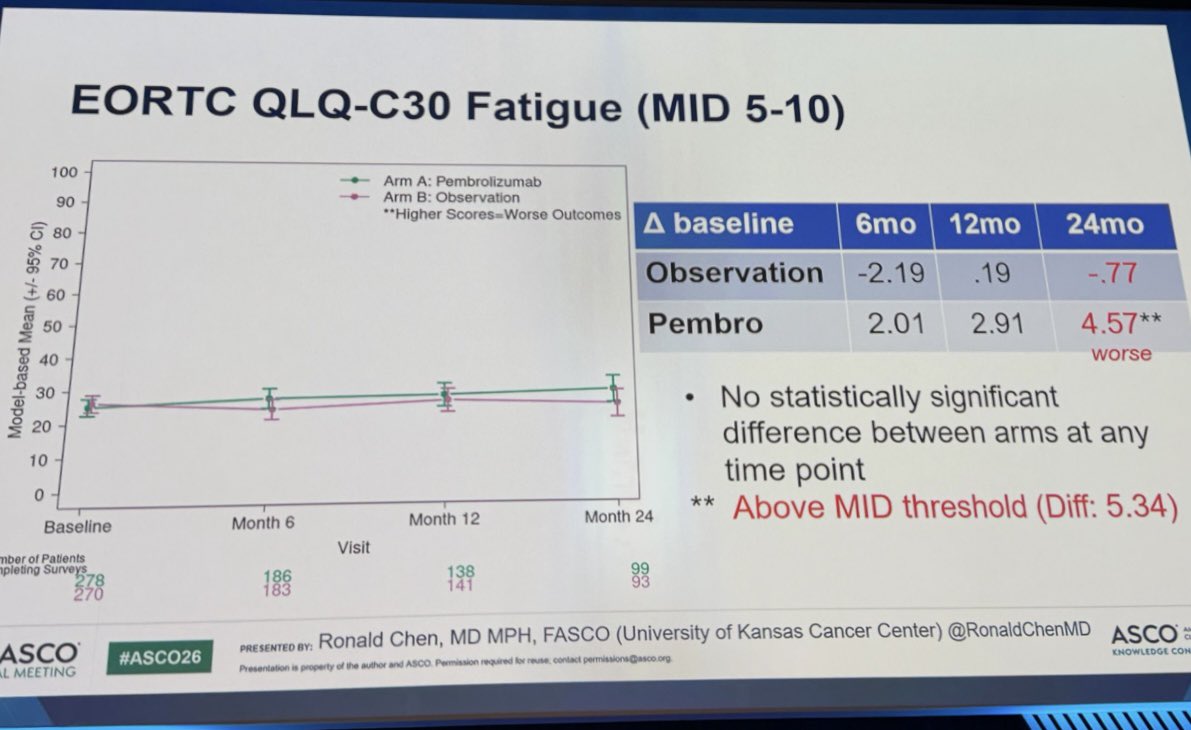
AMBASSADOR (adjuvant pembro vs placebo) shows a DFS advantage but no OS benefit in adjuvant UC. Today It also shows a non-significant drop in long term in quality of in some parameters such as fatigue but no overall difference in QOL . Almost all trials show the same (marginal or no differences). Are we measuring this optimally? Are our tools fit for purpose. @OncoAlert @apolo_andrea
1
15
38
2,262
Sabine D. Brookman-May retweeted

We are proud to announce the first-ever Upper Tract Urothelial Cancer (#UTUC) Awareness Day! In partnership with @BladderCancerUS, we created #UTUCAwarenessDay to help raise awareness, expand education, and connect those impacted by this complex disease: ir.tyra.bio/news-releases/ne…
2
5
3,889
Sabine D. Brookman-May retweeted
May 12
#Radiopharmaceuticals in #ProstateCancer Part 1: Current landscape and unmet needs. @boothe_dustin @Utah_Cancer and @PrafulRavi1 @DanaFarber_GU join @DrPhilKantoff @ConvergentRx discussing the clinical positioning of lutetium-177 PSMA in metastatic #CRPC, working through patient selection, sequencing, and progression after Pluvicto. #WatchNow on UroToday > bit.ly/3PBm3Qn
8
12
1,395
Sabine D. Brookman-May retweeted

May 6
Starting a New Chapter as VP Global Head of Clinical Development at Curium Pharma - @brookmans76
oncodaily.com/career/sabine-…
#Cancer #Medicine #Health #Oncology #OncoDaily #MedX #MedNews #MedEd
2
5
229
Sabine D. Brookman-May retweeted

Appreciate the invitation to join this timely discussion at @FDAOncology
Looking forward to tackling important issues in NMIBC trial design and interpretation - risk stratification, the persistent conflation of CIS and papillary disease in trial interpretation, BCG shortages, strain differences ...
@chana_weinstock @djmcconkey @garysteinbergmd @h_alahmadie @MaxKates @pjhensley11 @spsutkaMD @pcvblack @FaltasLab @MattGalsky @drdonnahansel @ERPlimackMD @SimaPorten #AUA26 @UTMDAnderson #OncSurgery @IBCG_BladderCA
May 4

Upcoming Workshop: Contemporary Issues in Non-Muscle Invasive Bladder Cancer (NMIBC) Trial Design & Interpretation
Join the FDA Oncology Center of Excellence for a workshop exploring key challenges and advances in NMIBC research.
fda.gov/news-events/fda-meet…
#NMIBC #BladderCancer
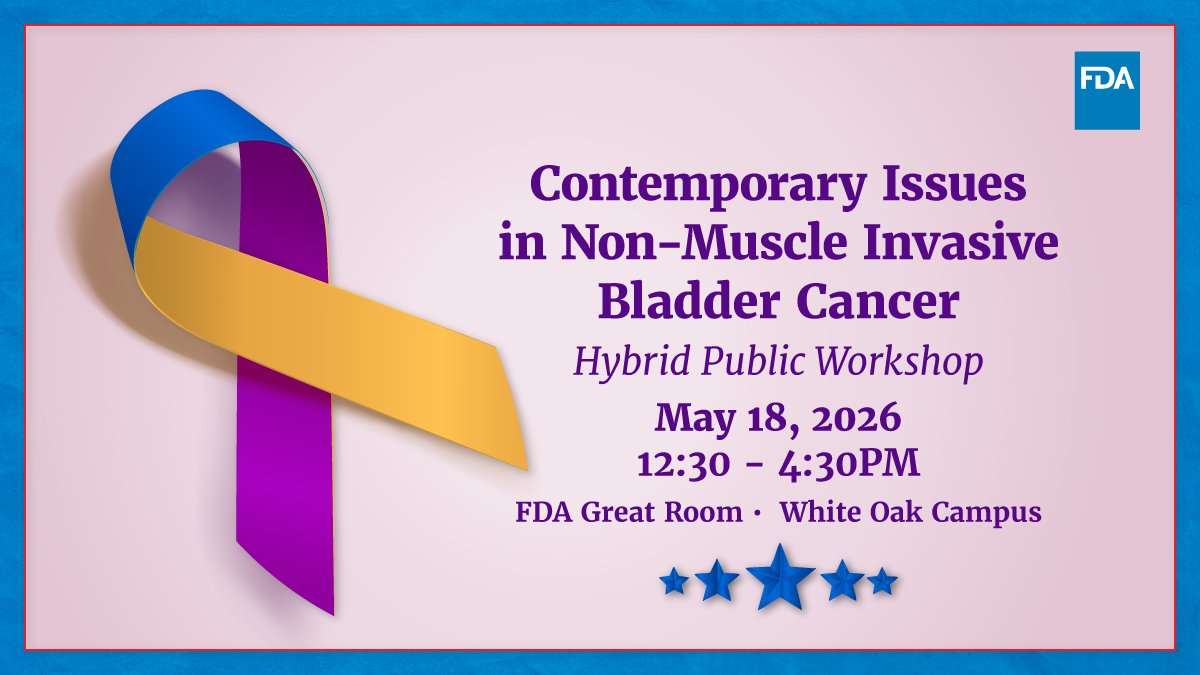
ALT FDA promotional graphic for a hybrid public workshop titled "Contemporary Issues in Non-Muscle Invasive Bladder Cancer," scheduled for May 18, 2026, from 12:30–4:30 PM at the FDA Great Room, White Oak Campus. A tricolor awareness ribbon in blue, yellow, and purple is displayed on the left side of the image. The FDA logo appears in the upper right corner.
1
6
23
4,946
I am very happy to share that I am starting a new role today, as VP Global Head of Clinical Development at Curium - a deliberate move to re-focus on #ProstateCancer (and beyond) and to expand into #RadioligandTherapy (#RLT) and precision Imaging.
At Curium, I’ll be leading global clinical development across the radiopharmaceutical portfolio, from early innovation to registrational strategy.
Next up: smarter trials, better patient selection, true integration of diagnostics therapeutics - and most importantly, proving outcomes that meaningfully improve patient benefit.
I look forward to working with many of you again! #ProstateCancer #RLT #PSMA #UrologicOncology #ClinicalTrials @oncodaily
7
7
56
2,541
As the Clinical Lead at J&J at that time writing the #PROTEUS protocol and defining the specific PET-based MFS endpoint, I am curious to see the final official results at ASCO as well.
A few considerations:
🔵 As #PSMA PET imaging was not integrated in the study from the beginning, this endpoint will only be available for a subset of patients
🔵 PET based #MFS is defined in a specific way for PROTEUS as aligned with the FDA - not every positive PET scan counted
🔵 Subsequent therapy is important to consider which is often initiated prior to reaching conventional MFS
🔵 QoL is one key aspect to consider. Concerning erectile function, I’d expect that in cases with nerve sparing surgery and perioperative function (limited subset in a HR setting) recovery will be good
➡️ We will need to consider PROTEUS results together with results from other trials in this early setting including the #BCR setting
➡️ Finally, it will be most important to develop treatment strategies for patients resulting in as much as possible Freedom From Clinical Deterioration (FFCD) with as limited as possible subsequent treatment needed - new endpoints are needed! @ChrisSweens1 @oncodaily @AttardLab @DrPaulNguyen #RadicalProstatectomy #ProstateCancer @TylerSbrt

Important considerations for Proteus as #ASCO26 approaches 👇🏼
MFS is a challenging endpoint when we have PSMA PET available (whether it counts as an event or not)
2
9
20
3,972
Sabine D. Brookman-May retweeted

Apr 30
What is the most established intervention linked to lower biological (epigenetic) age?
Exercise
A new systematic review @LancetLongevity of 44 studies, >145,000 participants
thelancet.com/journals/lanhl…
11
154
590
83,850
Sabine D. Brookman-May retweeted
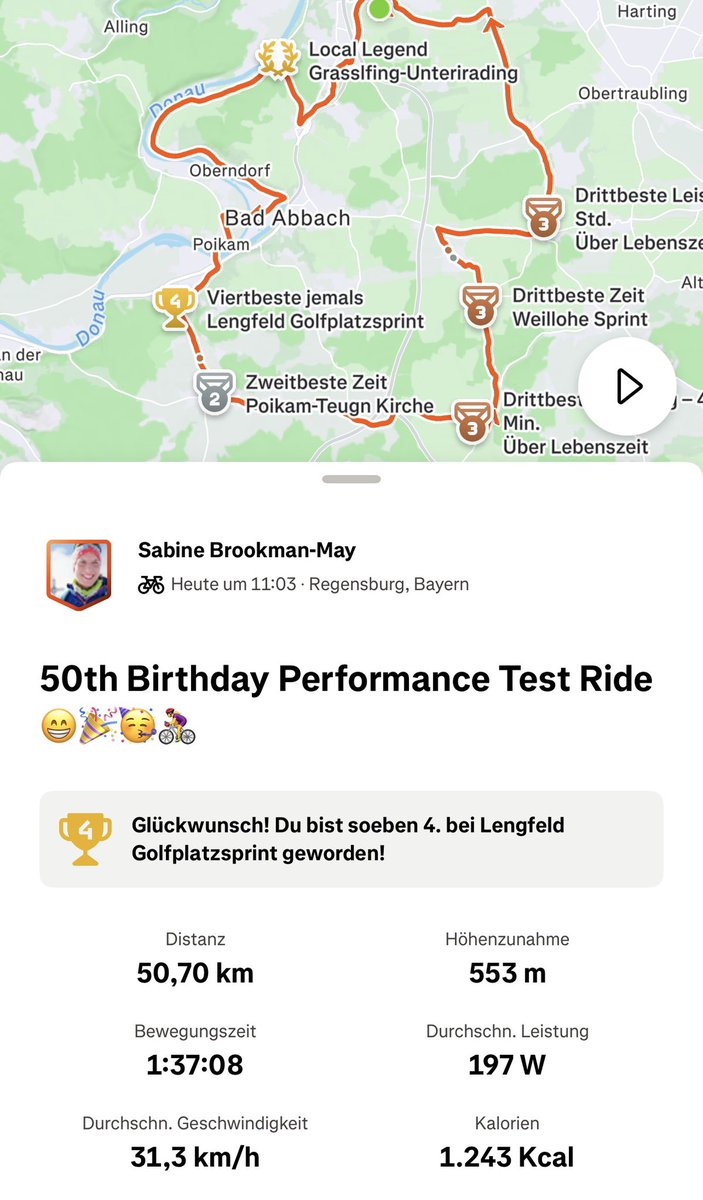
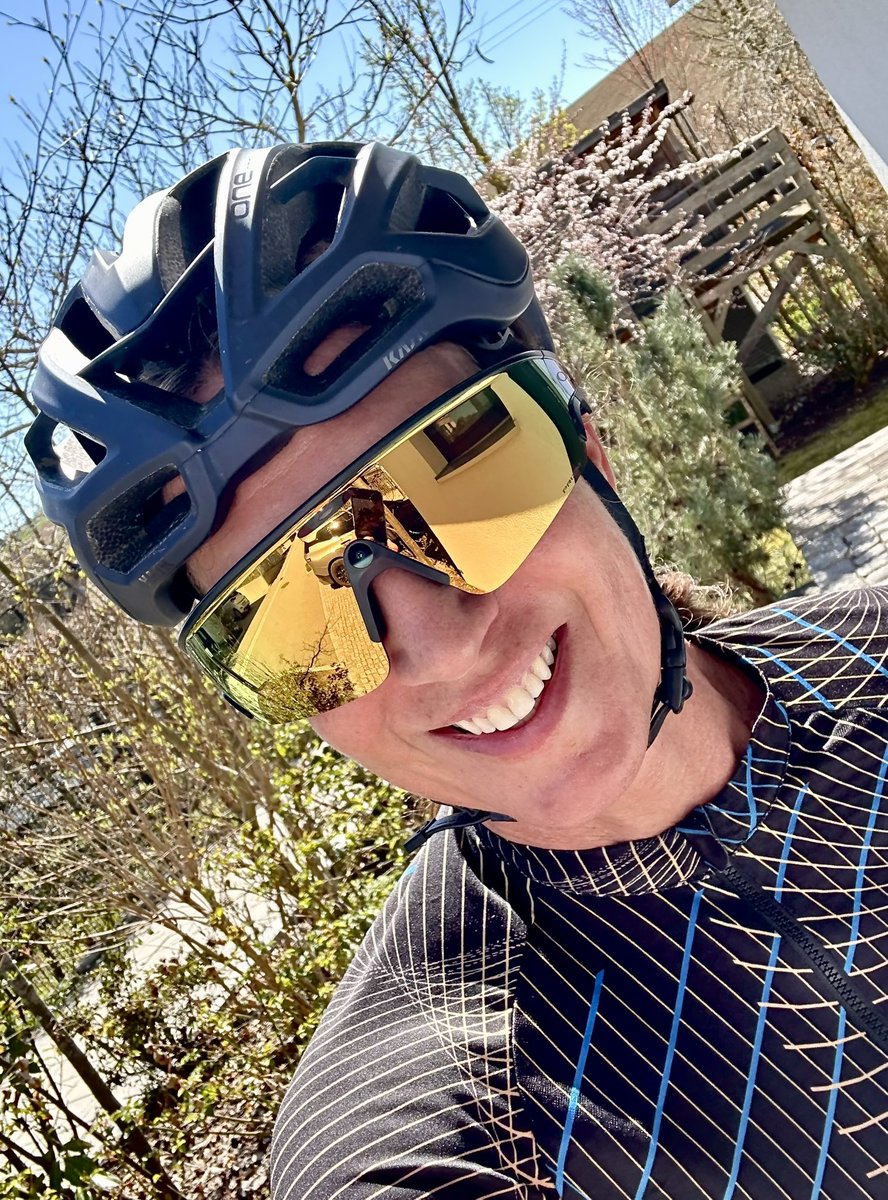
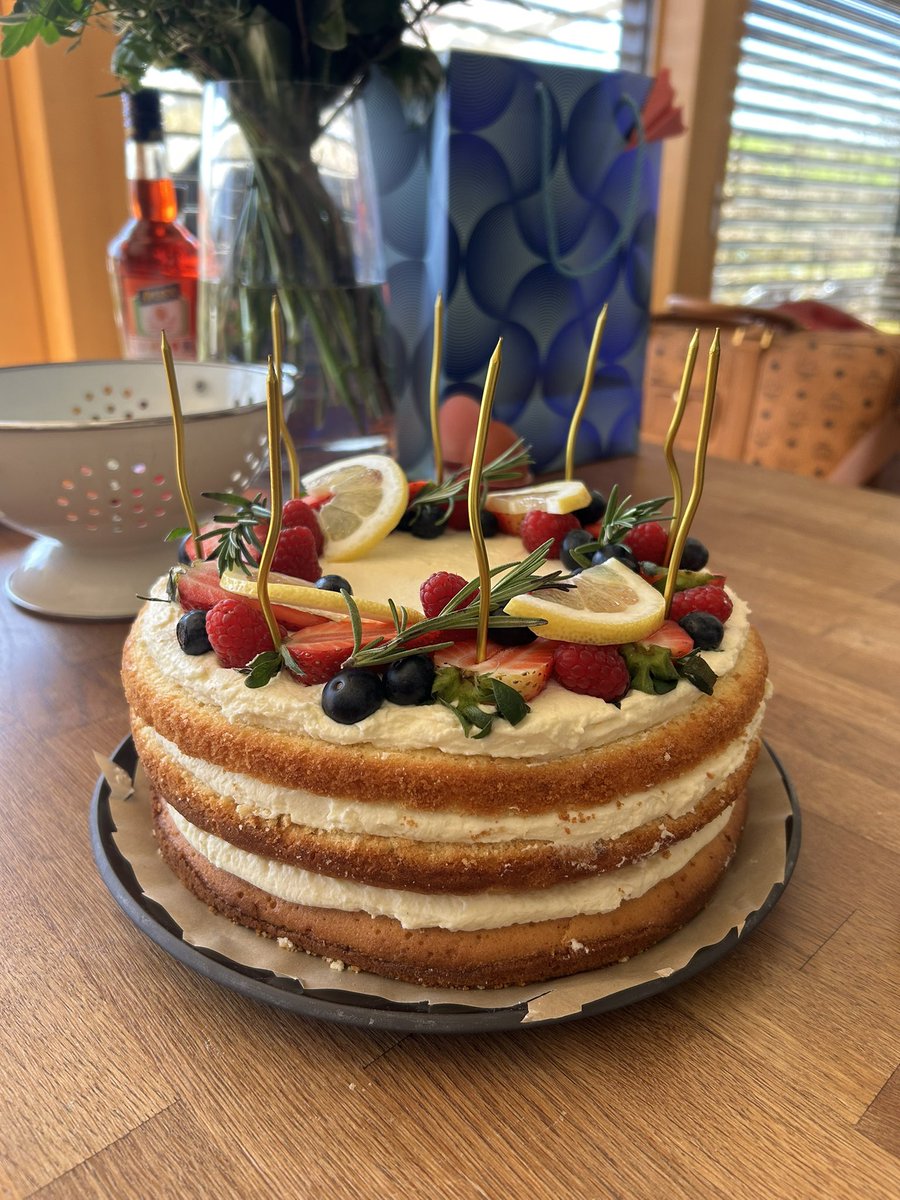
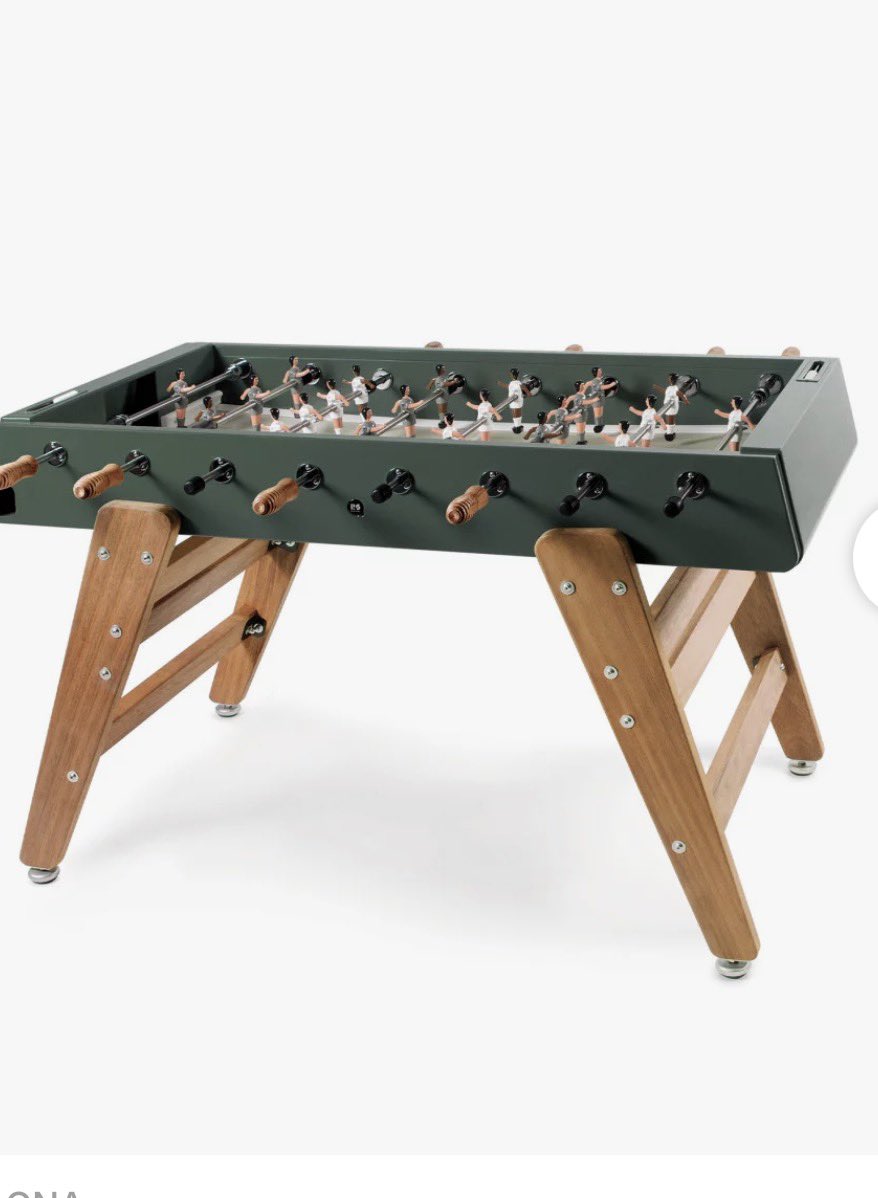
Thank you Simon! Did a 50th birthday cycling performance test ride today to see whether I get significantly worse at the age of 50 - which was not the case thankfully 😁 I got a table football as a birthday present for my post-cycling workout 🚴♀️⚽️❤️ #Cycling #Roadbike #Football #Soccer
3
3
12
856
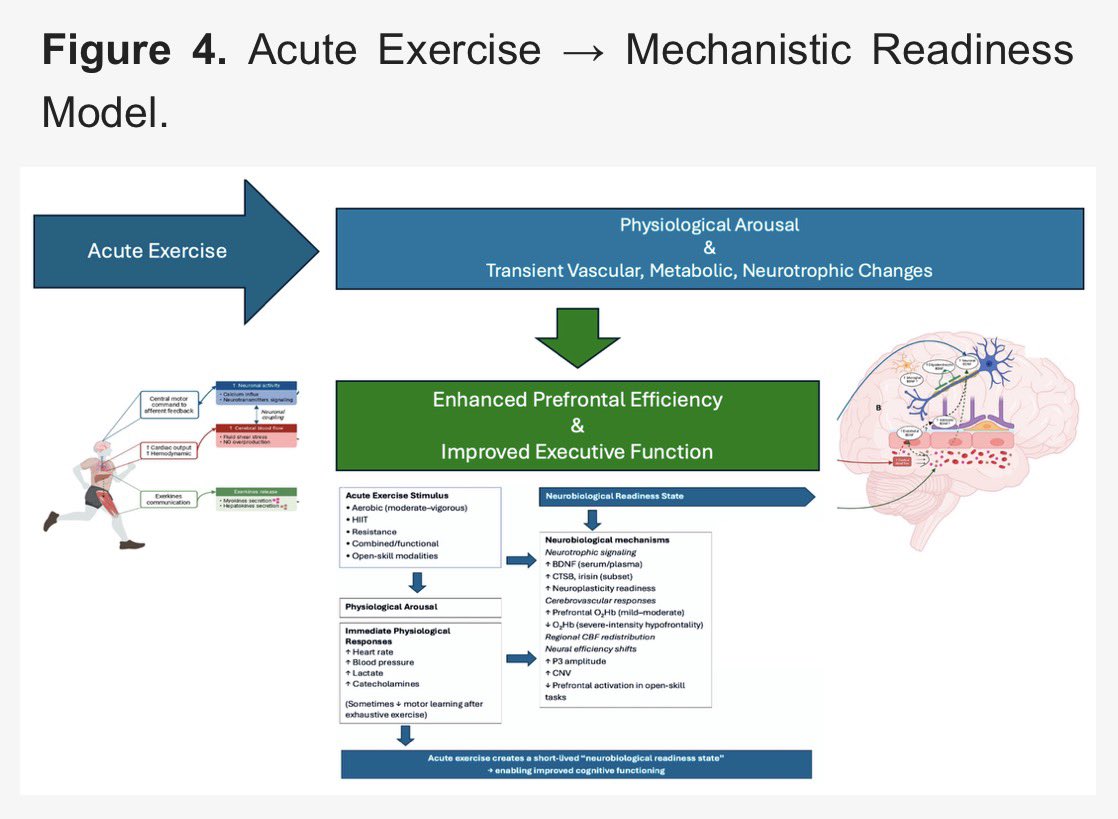
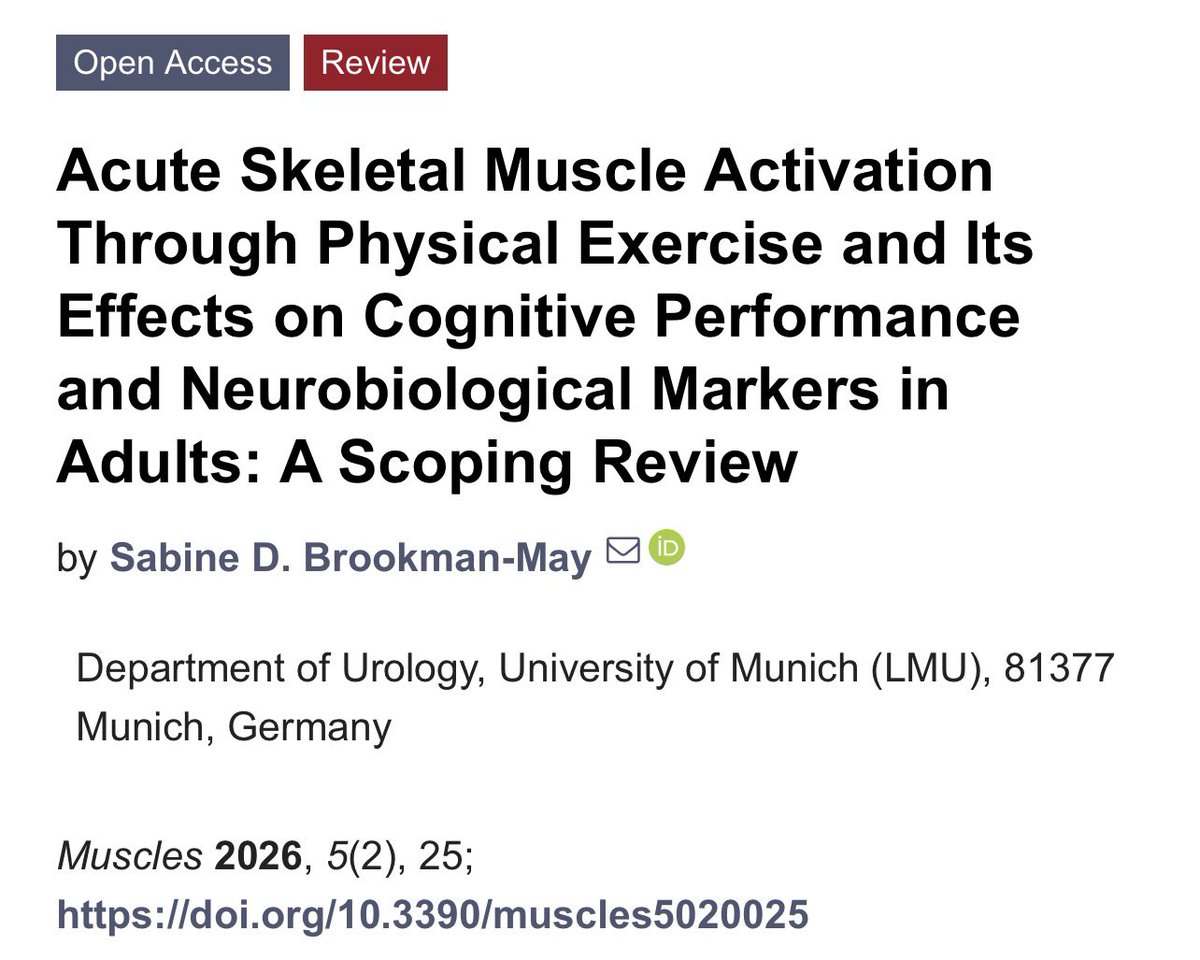
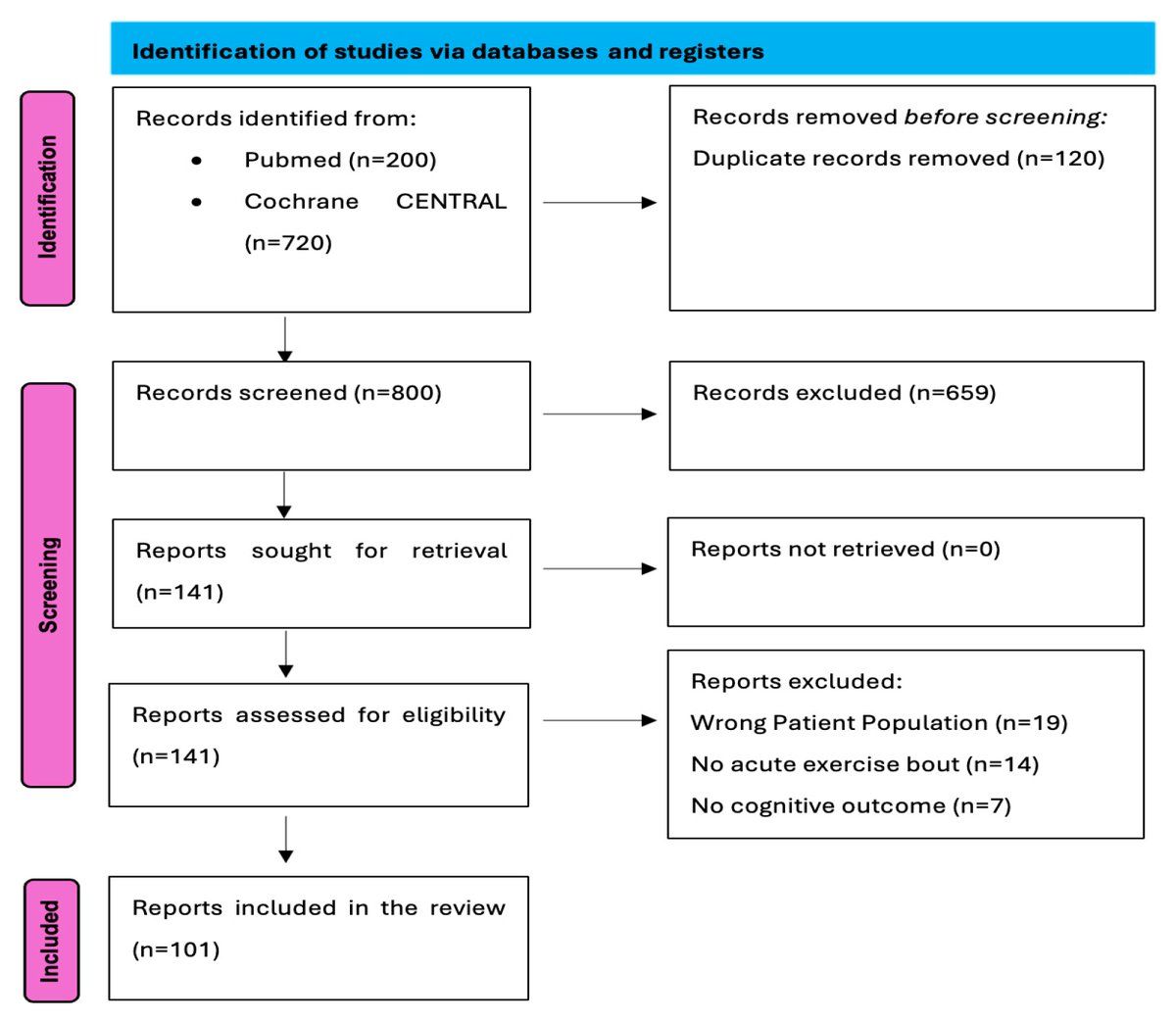
Published my first paper without #urology or #oncology but with pure #sportsmedicine/neurological focus in @Muscles_MDPI
👉 A scoping review on Physical Exercise and its effects on cognitive performance and Neurobiological Markers #PhysicalExerciseAsBrainFertilizer
#ExerciseAsMedicine
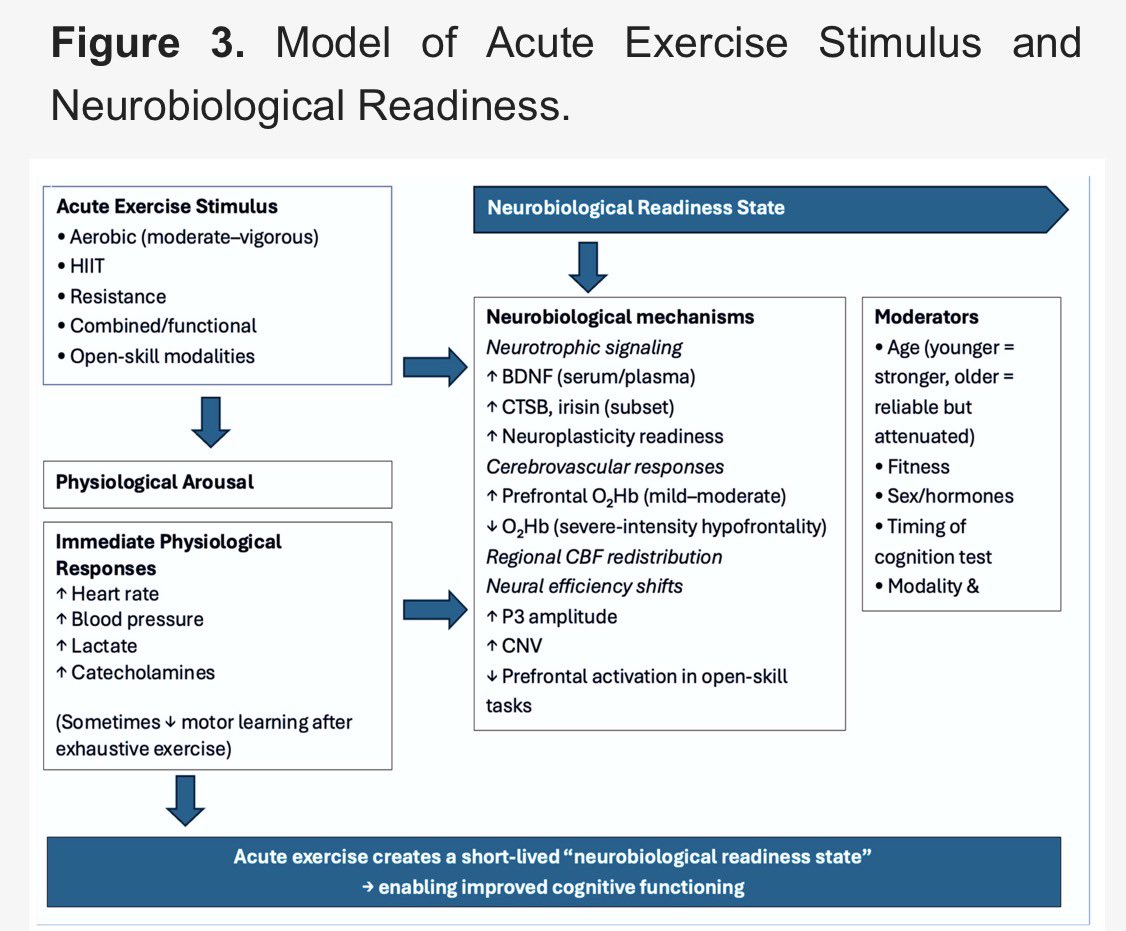
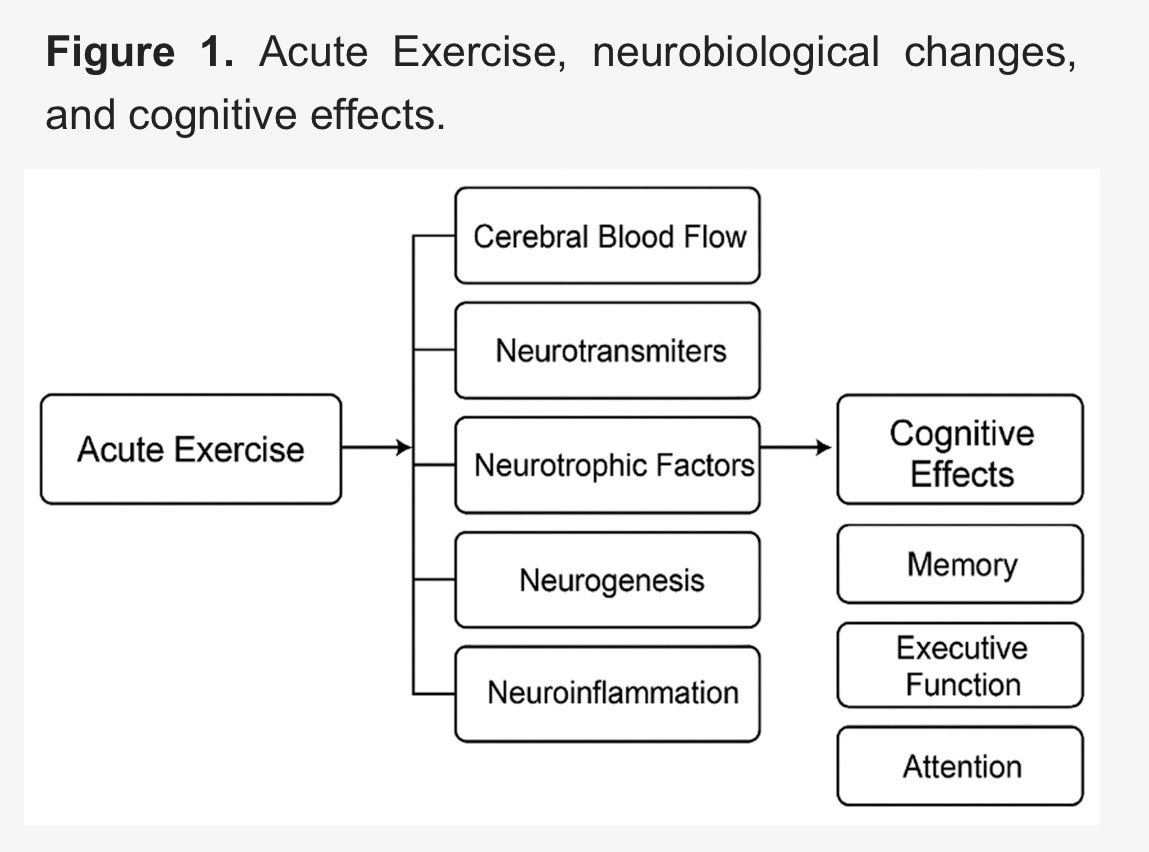
✅ Findings highlight skeletal muscle as an active endocrine and metabolic organ, with acute contraction-induced signaling (e.g., myokines, lactate, catecholamines, BDNF) representing a plausible mechanistic link between exercise and cognitive enhancement
✅ Available evidence positions acute exercise as a reliable, rapidly acting strategy to enhance cognitive performance, with promising implications for learning, occupational functioning, rehabilitation, and healthy aging
#PhysicalExercise #Muscle #Learning #HealthyAging #BDNF

🌍⚡ Research Alert🌱💡
📄 Title: Acute Skeletal Muscle Activation Through Physical Exercise and Its Effects on Cognitive Performance and Neurobiological Markers in Adults: A Scoping Review
🔗 Read it here:mdpi.com/2813-0413/5/2/25
#skeletalmuscle #neuromuscular
2
5
11
1,828
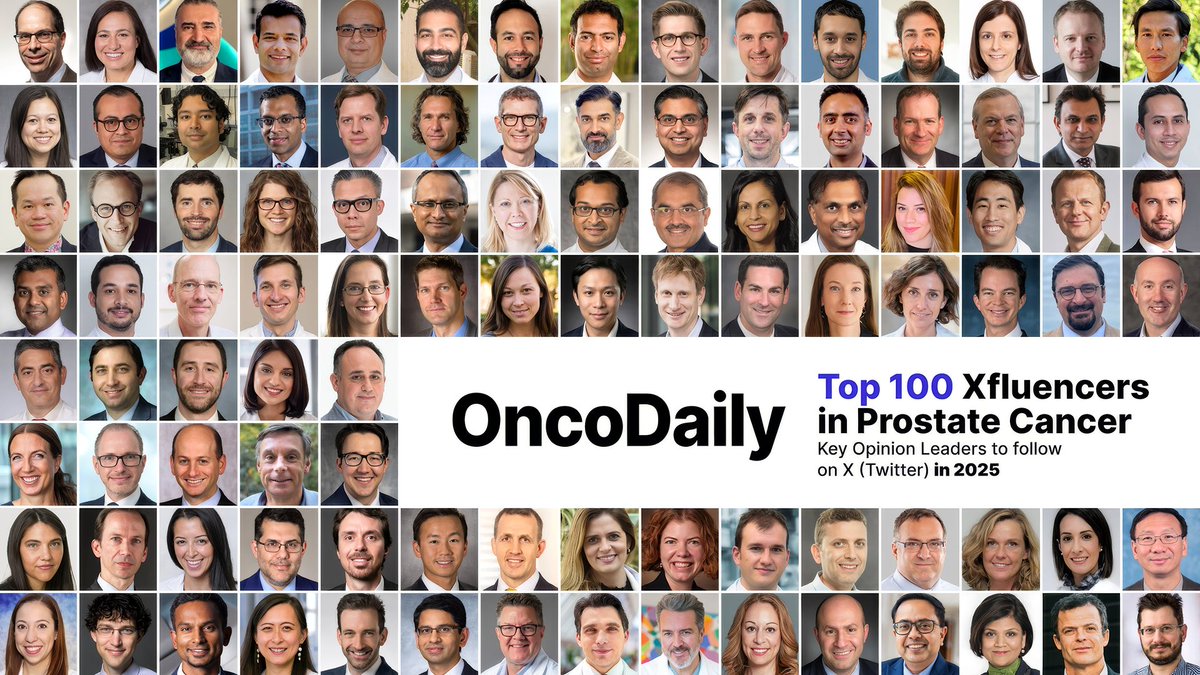
Very happy to be on this list of #ProstateCancer opinion leaders @oncodaily Thank you! #UrologicOncology
Apr 6

100 Xfluencers in Prostate Cancer: Key Opinion Leaders to follow on X (Twitter) in 2025
OncoDaily brings to you our annual list of the 100 Xfluencers in Prostate Cancer, bridging the gap between traditional lecture halls and the real-time, expert-led breakthroughs happening right now on X.
Join the experts. Stay updated. Drive the conversation.
oncodaily.com/not-to-miss/10…
#Cancer #ProstateCancer #UroOnc #GUOnc #OncoDaily100 #100XfluencersinProstateCancer #OncoDaily #Oncology #MedEd #MedTwitter #MedX #MedOnc @CancerWorldmag
4
11
1,081
Sabine D. Brookman-May retweeted

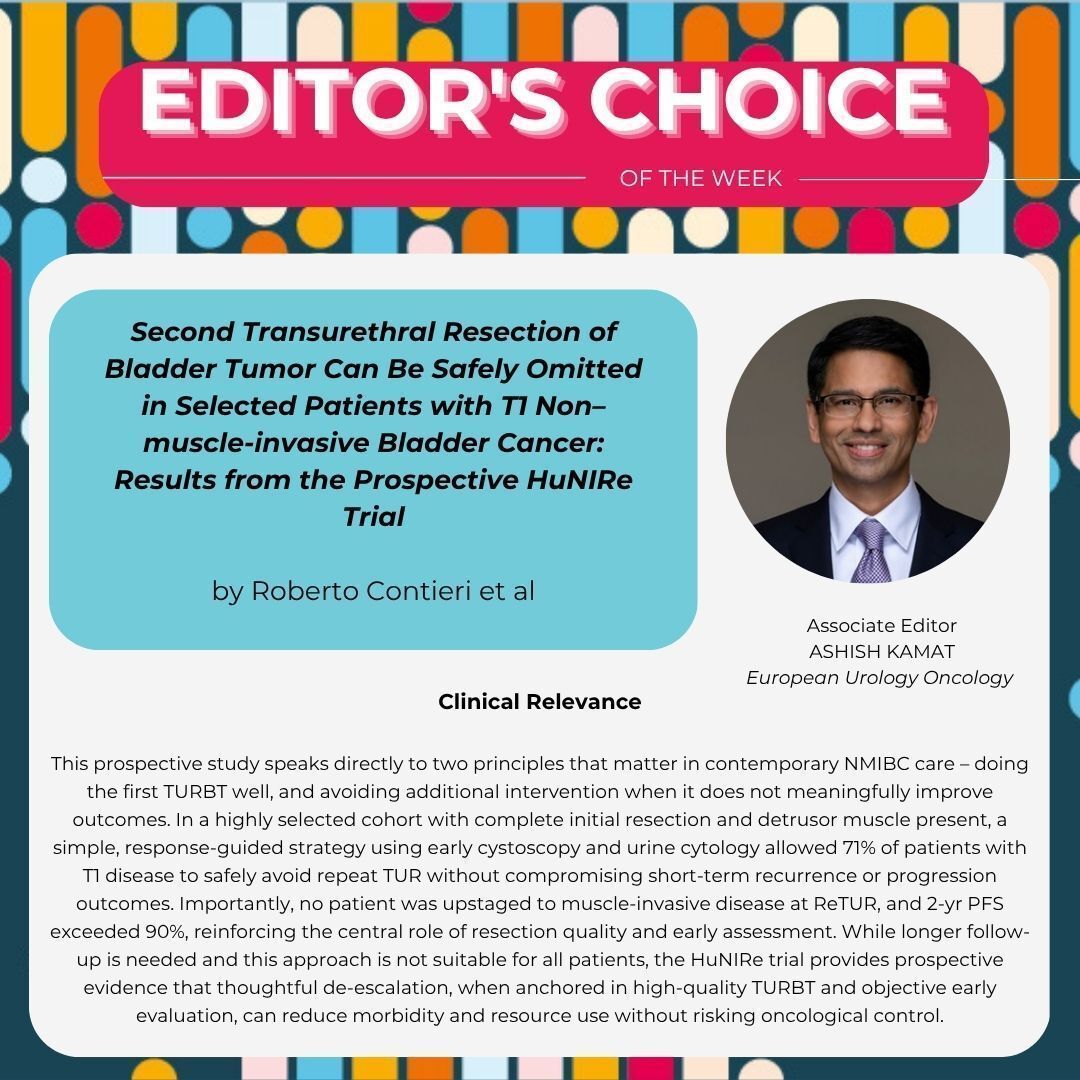
Second Transurethral Resection of Bladder Tumor Can Be Safely Omitted in Selected Patients with T1 Non–muscle-invasive Bladder Cancer: Results from the Prospective HuNIRe Trial by Roberto Contieri et al
Read the full article: buff.ly/AcADjoA
We thank the authors for trusting EUO to publish your work
@robertocontieri
@uroweb
@mroupret
@GPloussard
@jteoh_hk
@Ric_Campi
@CaPsurvivorship
@UroDocAsh
@LauraMarandino
@RenuEapen
@Ecastromarcos
@OncoAlert
@Sciencedirect
1
6
14
1,640