

Hey everyone!
Don’t forget @KimeraChems is buy 4 get one free all peptides. If you buy 4 of any one product, a 5th is added for free.
Also 20% off with code ELEVATE right now, and an additional 10% with BTC payment.
Killer opportunity here, don’t miss out. Sale ends 5/25.
researchpeptides #peptideresearch #researchchemicals #researchchems #biohacking #longevityresearch #performanceoptimization #nootropics #peptidescience #labresearch #researchcommunity #biotechresearch #experimentalcompounds #peptideforum #cognitiveresearch #metabolicresearch #mitochondrialhealth #cellularresearch #scientificresearch #advancedresearch #neuroscience #researchmodels #wellnessresearch #fitnessresearch #lifespanresearch #bioregulators #researchlab #aminoacids #compoundresearch #futureofresearch #peptideeducation #elevatedresearch #elevatebiohacking
1
1
9
583
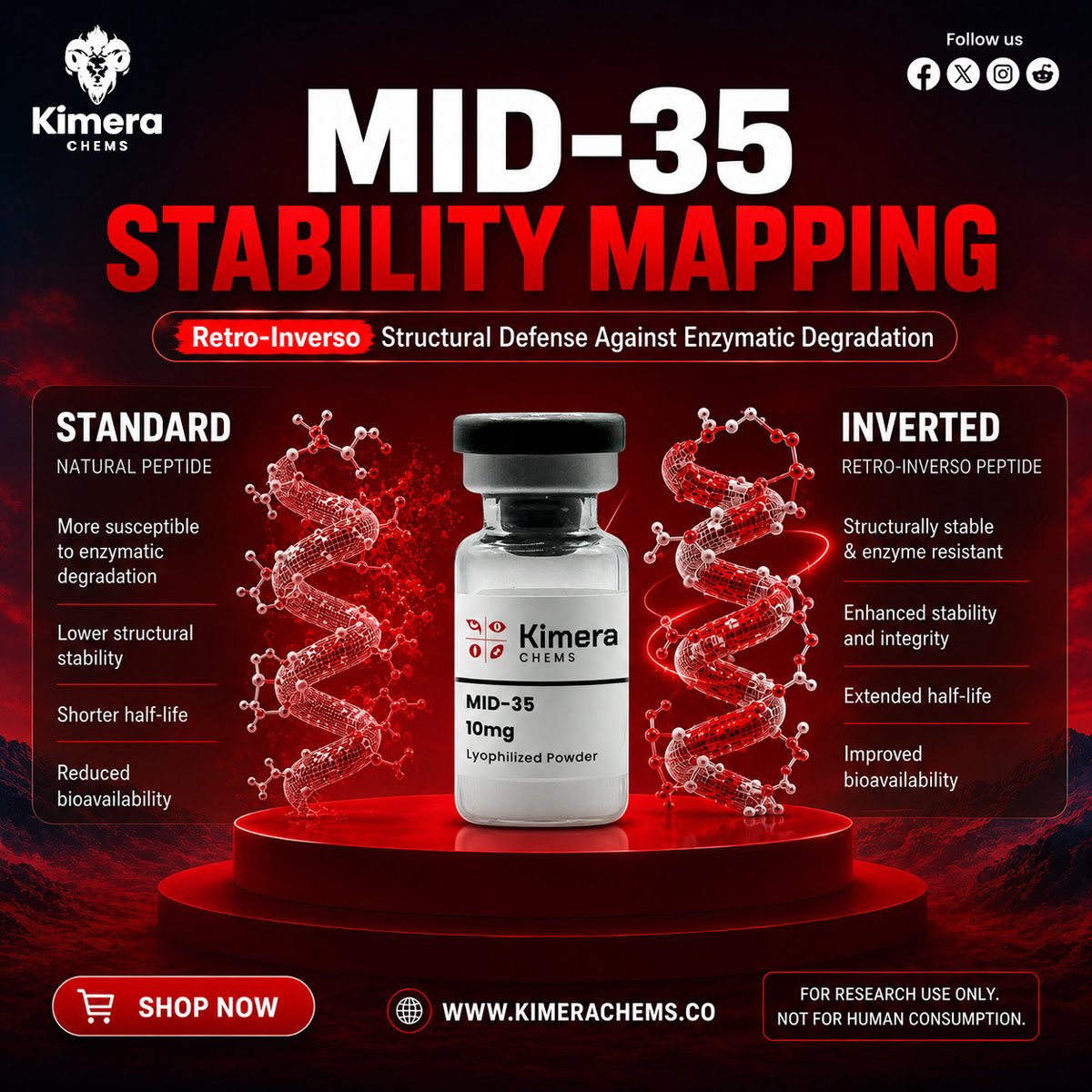
MID-35 Analysis: Overcoming Myostatin Constraints
Standard L-peptide configurations often suffer from rapid enzymatic cleavage, limiting their utility in extended biological tracking.
MID-35 addresses this vulnerability directly through its unique retro-inverso construction. By combining D-amino acids with an inverted sequence topology, it maintains the precise spatial orientation required to bind and neutralize myostatin (GDF8) while remaining virtually invisible to proteolytic enzymes.
For laboratories running long-term cellular development protocols, MID-35 represents a massive leap forward in experimental stability. Review the analytical data and secure your batch during the weekend event by following the link below.
Use code ELEVATE to save 20% now! 10% more with BTC.
#MID35 #PeptideResearch #ResearchPeptides #ResearchChemicals #RUO #ResearchUseOnly #Biohacking #LongevityResearch #Nootropics #CognitiveResearch #NeuroResearch #MolecularResearch #BiotechResearch #ExperimentalCompounds #PerformanceResearch #ScientificResearch #LabResearch #AdvancedResearch #MechanismOfAction #ResearchCommunity #ResearchDriven
1
4
254

May 18
Aging in blood stem cells may not be as irreversible as we once thought.
Researchers at Mount Sinai restored aged blood stem cells in mice to a more youthful and functional state by targeting overactive lysosomes - the cell’s internal recycling system.
The findings suggest some forms of cellular aging may be reversible under the right biological conditions.
Key signals:
• Blood-forming capacity increased more than 8x after treatment
• Restored balanced production of blood and immune cells
• Improved mitochondrial function and cellular metabolism
• Reduced inflammation and suppressed harmful cGAS-STING immune signaling
Why this matters:
Most aging therapies focus on slowing biological decline.
This research points toward something more ambitious:
functionally rejuvenating aged stem cells and restoring regenerative capacity.
That could have implications for transplantation, immune aging, and regenerative medicine more broadly.
What’s changing:
From managing age-related deterioration → to targeted cellular rejuvenation
The study identifies lysosomal hyperactivity as a potentially targetable mechanism behind stem cell aging.
If validated further, aging itself may increasingly be approached as a modifiable biological process rather than a fixed trajectory.
Could regenerative rejuvenation eventually become a foundational layer of preventive medicine - not just treatment for disease?
#AntiAging #RegenerativeMedicine #StemCells #Biotechnology #Longevity #HealthcareInnovation #CellTherapy #FutureOfMedicine #BiotechResearch #DeepTech #InnoDexis
7
6
211

May 14
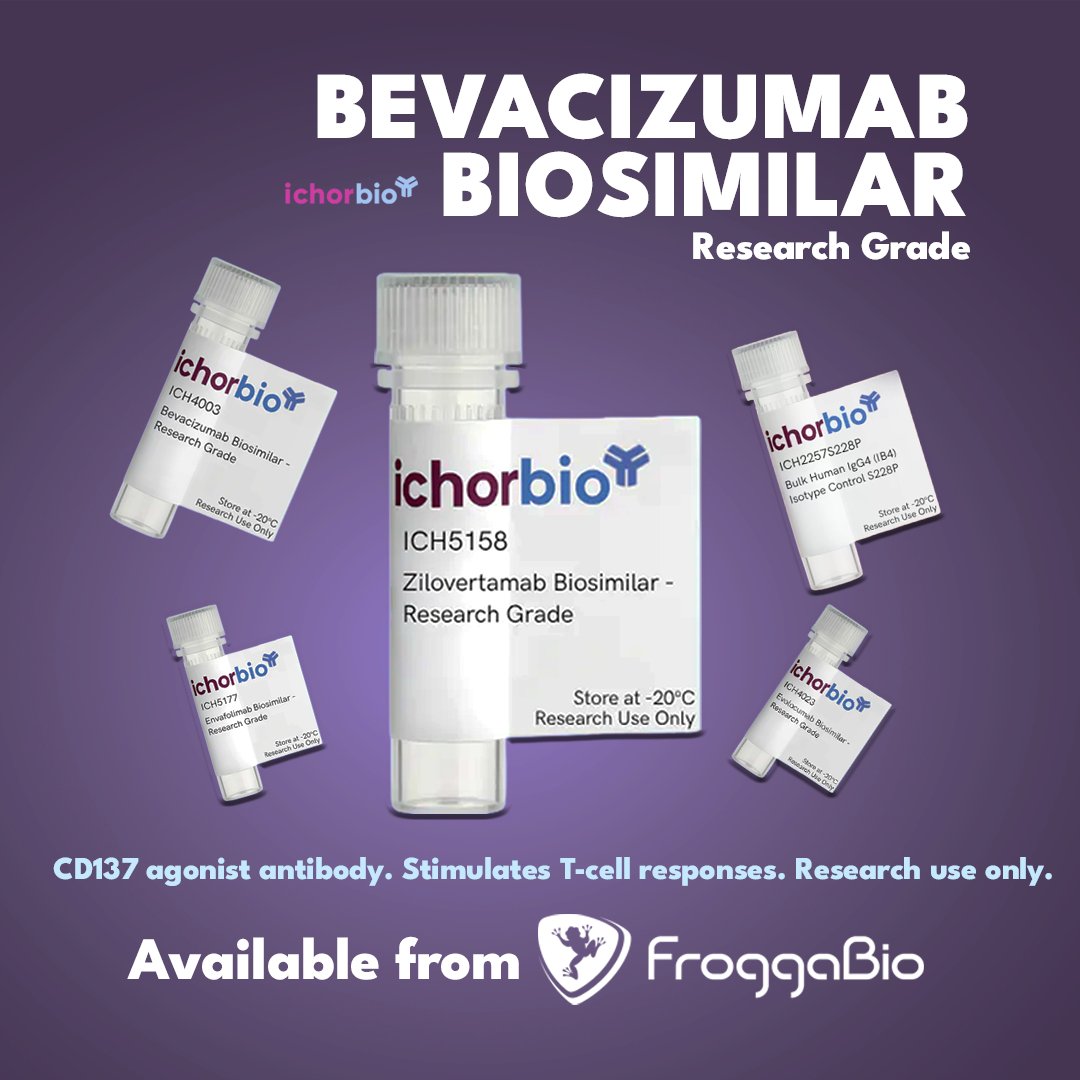
🧬 High-quality Biosimilars at FroggaBio
Same proven performance as biologics—reliable, tested & cost-effective 🚀
Available in Froggabio
hubs.li/Q04fxwzQ0
#Biosimilars #Biotech #LabQuality #Pharma #ResearchTools #Froggabio #Science #BiotechResearch #lab #research
1
44
In this episode of #ScienceSnippets, students from the Laboratory of Signal Transduction and Plant Resistance (LSTAR) at Regional Centre for Biotechnology (@unescorcb), provide an insightful look into their research on plant pathology.
The team presents a series of detailed models, starting with a demonstration of Agrobacterium-mediated plant transformation, which illustrates the fascinating process of how DNA is transferred from bacterial cells to plant cells to create genetically modified crops.
The presentation continues with a look at the Potato Leafroll Virus, showcasing a model of an infected plant to highlight the visible symptoms and agricultural challenges posed by this common pathogen.
#PlantPathology #GeneticEngineering #BiotechResearch
@DrJitendraSingh
@rajesh_gokhale
@BricDbt
@NABI_India @bric_ils @NIPGRsocial @NImmunology
@HydNiab @BRIC_CDFD @DBT_NCCS_Pune @ICGEB
@DBT_inStem @DBT_NBRC @RGCB_Trivandrum
@THSTIFaridabad @ICGEBNewDelhi @unescorcb
@BIRAC_2012 @IndiaDST @moesgoi @CSIR_IND
@CSIR_NIScPR @ICMRDELHI
6
15
789

🌍 #ICBISDCBE2026
Innovative discussions and research presentations continue on the concluding day of the conference hosted by BIT in association with #BiotechResearch Society India.
Advancing solutions for a #sustainable and circular bio-economy.
#bitsathy #Sustainability
2
4
37
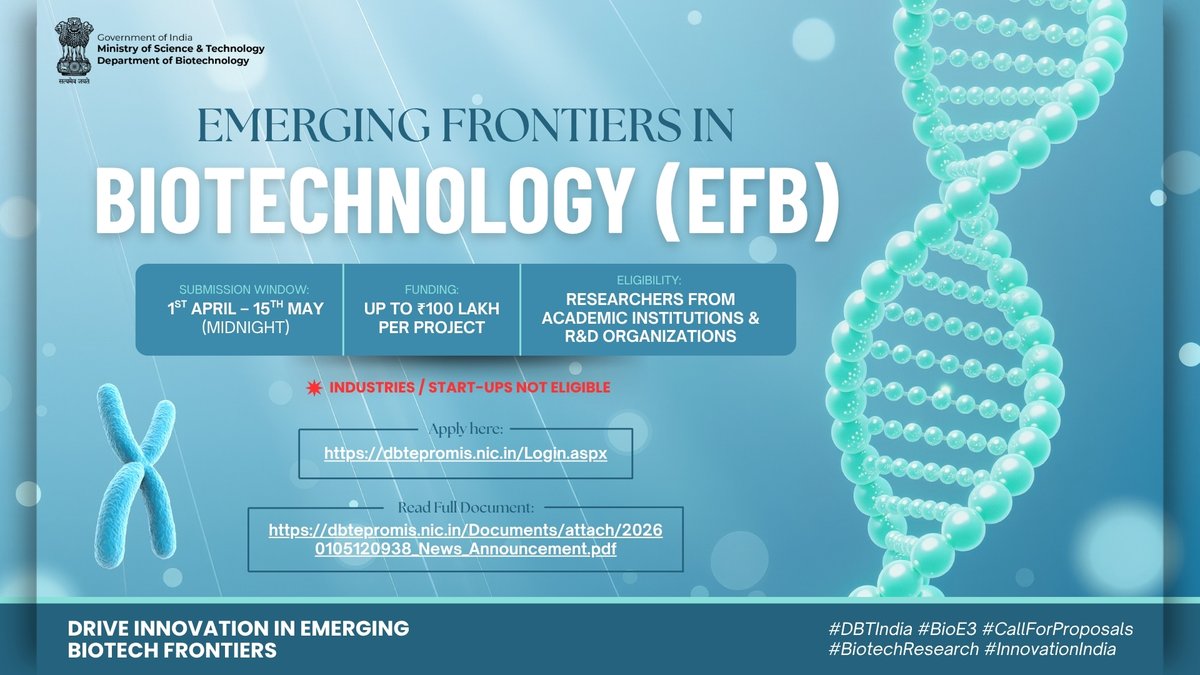
Step into the future of innovation with the Emerging Frontiers in Biotechnology (EFB) initiative by the Department of Biotechnology.
Calling researchers from academic institutions and R&D organizations to push the boundaries of science and transform ideas into impactful solutions.
Submission Window: 1st April – 15th May
Funding: Up to ₹100 lakh per project
Note: Industries and start-ups are not eligible.
Drive breakthrough research. Shape the future of biotechnology.
#DBTIndia #BioE3 #CallForProposals #BiotechResearch #InnovationIndia
@DrJitendraSingh
@rajesh_gokhale
@BricDbt @NABI_India @bric_ils @NIPGRsocial @NImmunology @HydNiab @BRIC_CDFD @DBT_NCCS_Pune @ICGEB @DBT_inStem @DBT_NBRC @RGCB_Trivandrum @THSTIFaridabad @ICGEBNewDelhi @unescorcb @BIRAC_2012 @ICMRDELHI @MoHFW_INDIA @MinistryWCD @IndiaDST @moesgoi @ICMRDELHI @PrinSciAdvOff
1
18
50
3,971

Mar 24
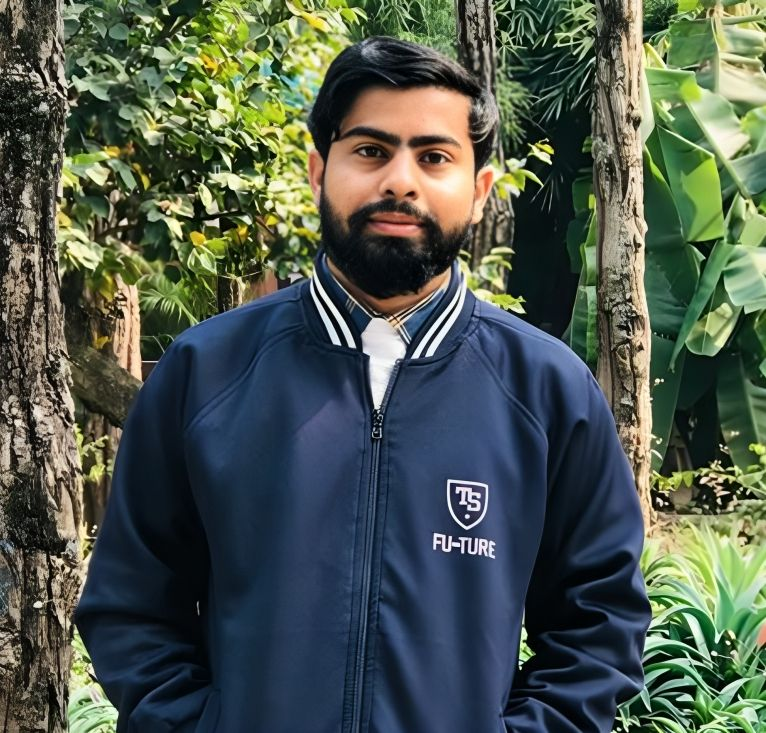
Congratulations to Shivam Chauhan, PhD Scholar (AcSIR, CSIR-CIMAP), working under the guidance of Dr. Akanksha Singh, on being awarded the highly competitive and prestigious IndiaAI PhD Fellowship by Ministry of Electronics and Information Technology.
His cutting-edge research integrates artificial intelligence and computational biology to identify novel antimicrobial peptides from microbiomes of medicinal plants, contributing to next-generation solutions in healthcare and biotechnology.
The fellowship offers a generous monthly stipend of ₹70,000 (first two years), ₹75,000 (third year), and ₹80,000 (fourth and fifth years), along with a research grant of ₹2 lakh per year and full support for participation in an international conference—empowering young researchers to excel on the global stage.
#IndiaAI #PhDFellowship #CSIRCIMAP #AcSIR #ArtificialIntelligence #ComputationalBiology #BiotechResearch #YoungScientists #InnovationIndia #MakeInIndia #ResearchExcellence #FutureOfScience
@CSIR_IND @DrJitendraSingh @DrNKalaiselvi @zabeerahmedb
4
23
1,181

Mar 8
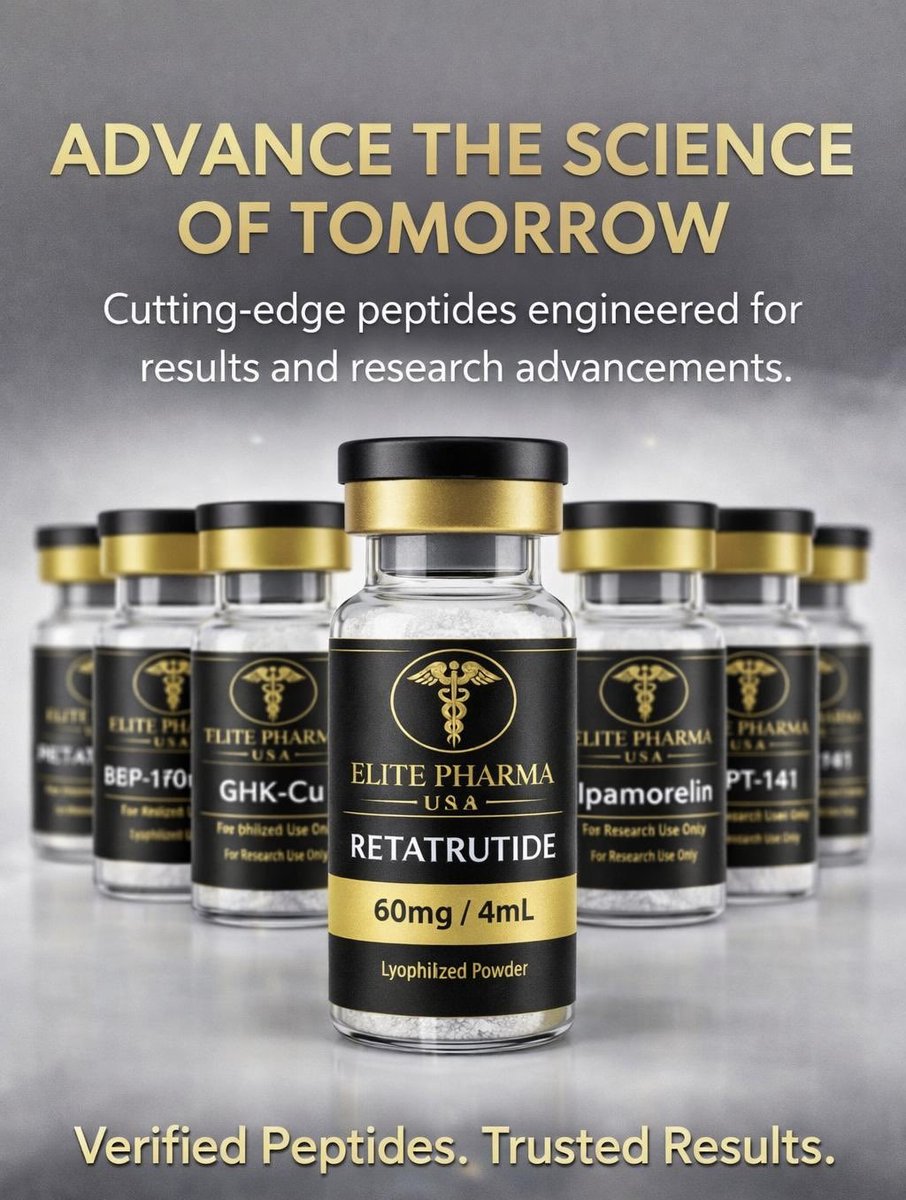
🔬 ELITE PHARMA USA 🔬
Premium laboratory-grade research peptides and compounds designed for professional research environments.
At Elite Pharma USA, we focus on quality, reliability, and professional packaging so researchers receive dependable compounds they can trust.
✅ High-purity research peptides
✅ Professional pharmaceutical-grade packaging
✅ Reliable sourcing
✅ Secure and discreet shipping
⚠️ All products are sold strictly for laboratory research purposes only.
📩 Contact Elite Pharma USA
📧 Email: elitepharmapep@proton.me
📱 WhatsApp: (786) 487-4723
📲 Telegram Channel: t.me/elitepharmapeptides
🚀 Join our Telegram for inventory updates, product announcements, and new releases.
🔬 Elite Pharma USA — Precision • Purity • Reliability
#ElitePharmaUSA #ResearchPeptides #LaboratoryResearch #PeptideResearch #BiotechResearch #ScientificResearch #ResearchCompounds #LabResearch #PeptideCommunity #Biotechnology
1
9
16
153

Mar 6
$CYCN: Clinical Advisory Board to Aid in Development of Novel TRD Therapy #BiotechResearch #sGCStimulators #DrugDevelopment buff.ly/fIQCBrM
2
188

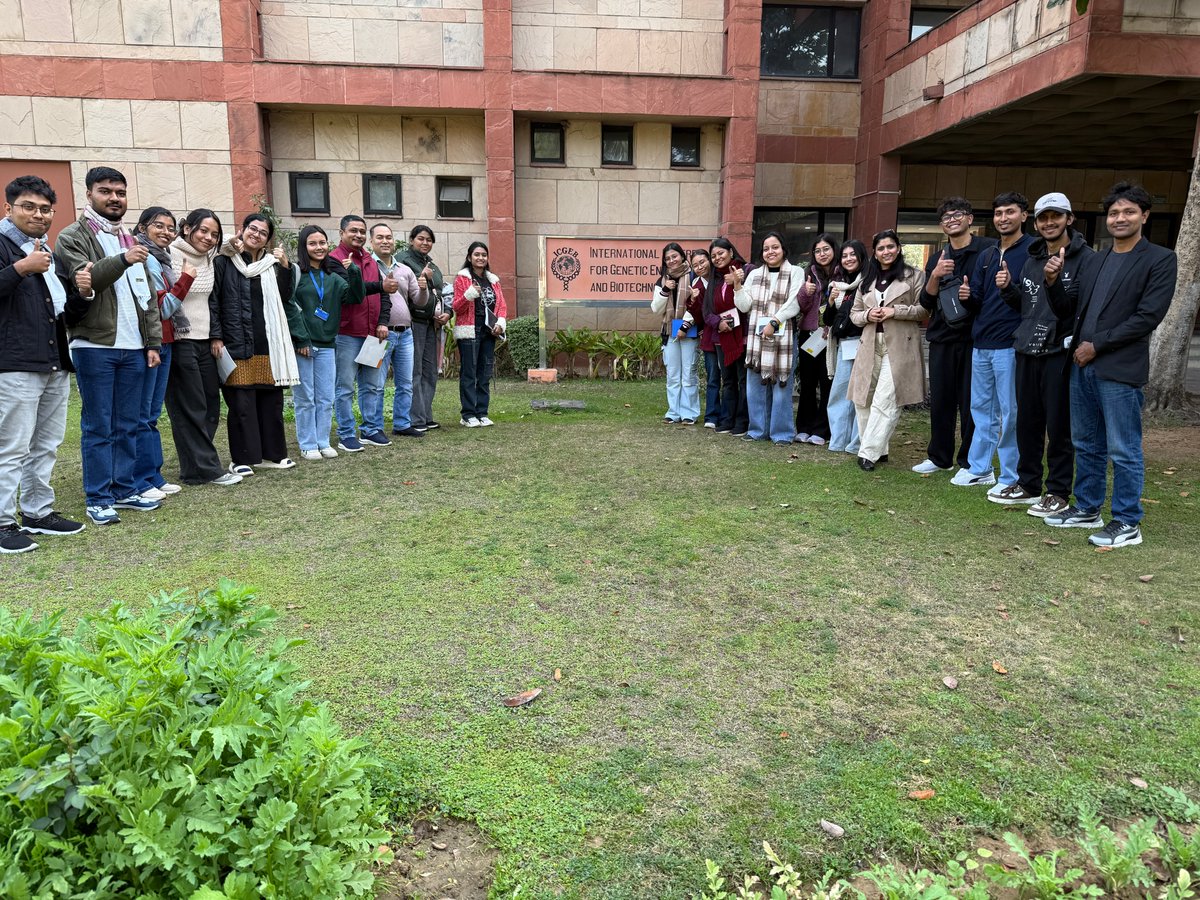
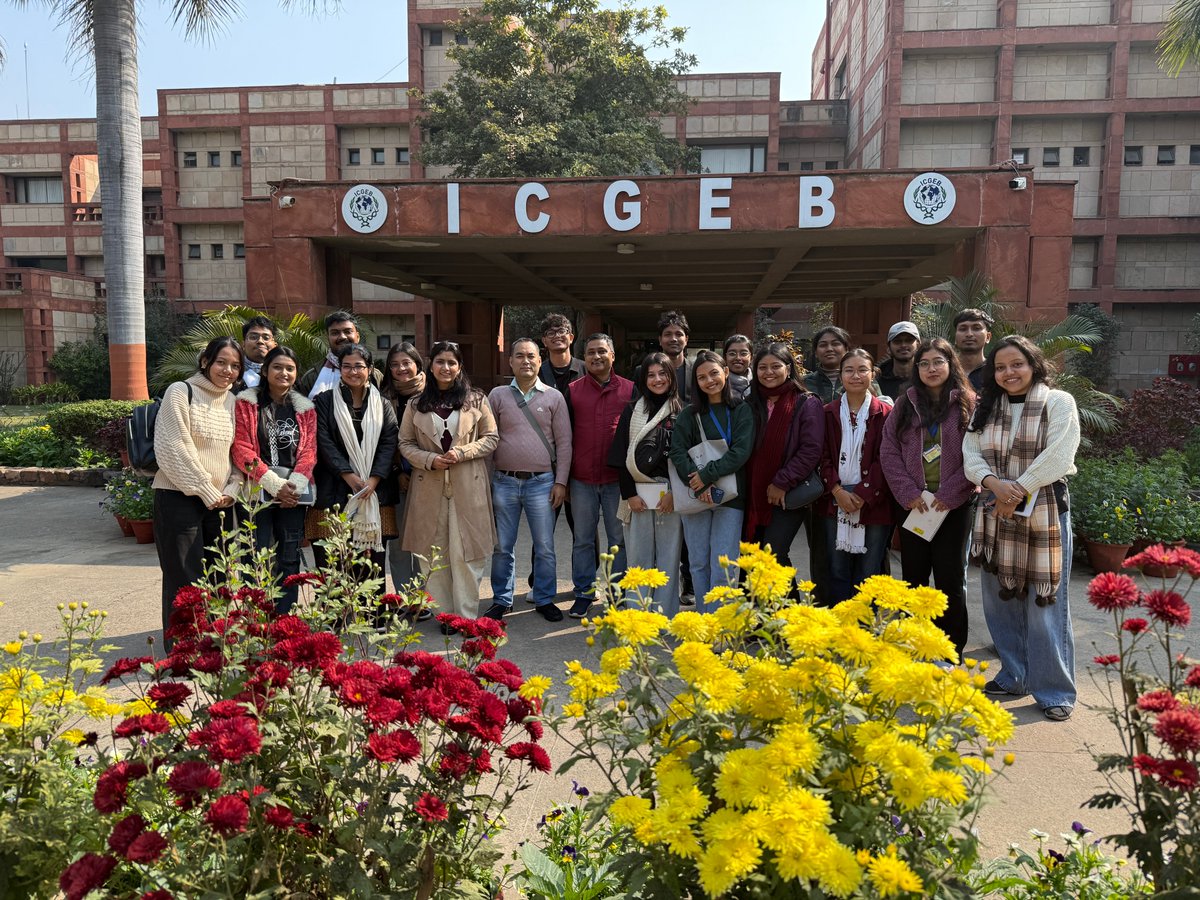
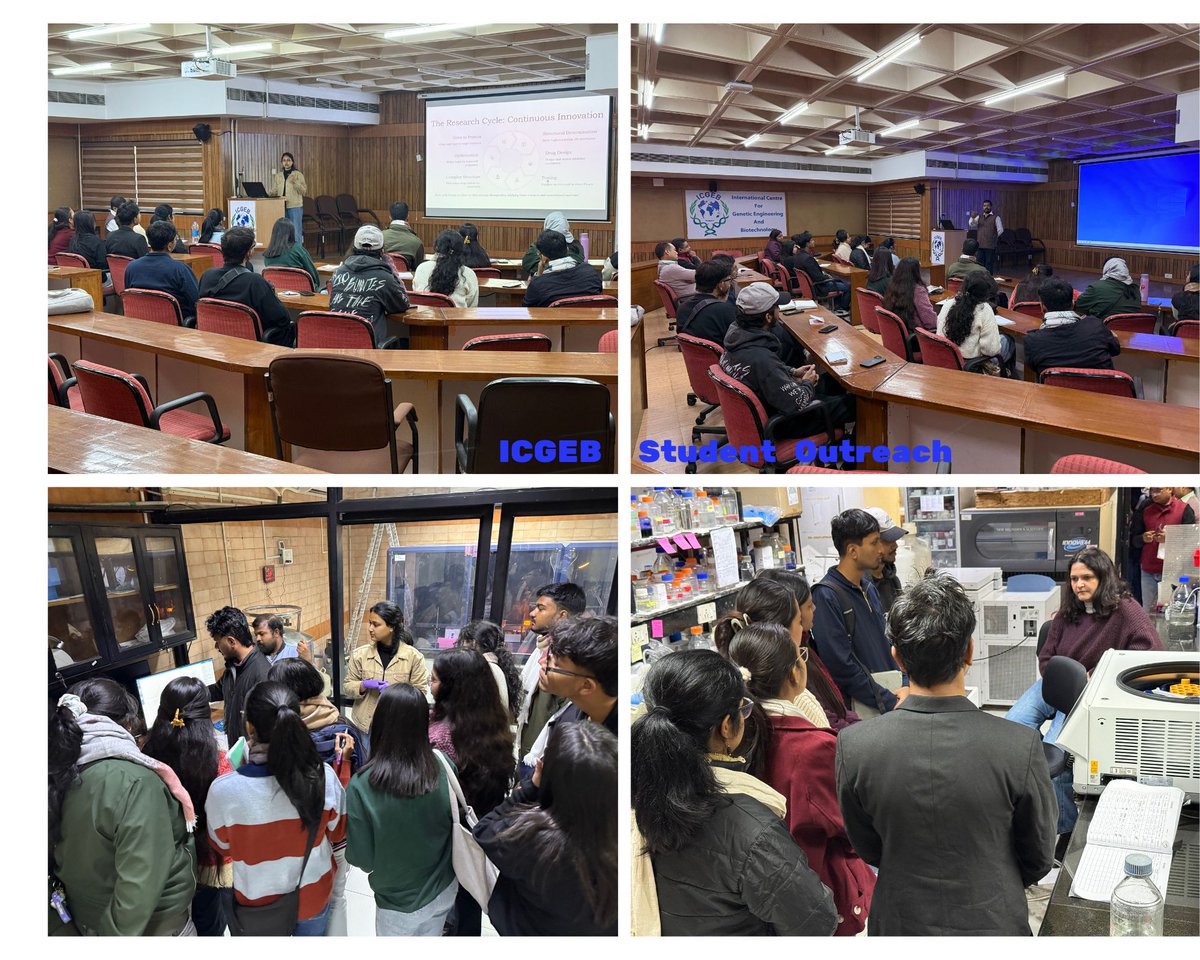
#ICGEBStudentOutreach !
Yesterday, we had the pleasure of hosting M.Sc. Biotechnology students from #GuwahatiUniversity, Assam. The students engaged in insightful interactions with our scientists and researchers and toured our labs & research facilities.
#StudentOutreach #BiotechResearch #CampusVisit #GuwahatiUniversity
@DBTIndia @ICGEB @ICGEBCapeTown @ramesh_sonti

1
1
6
231

30 Dec 2025
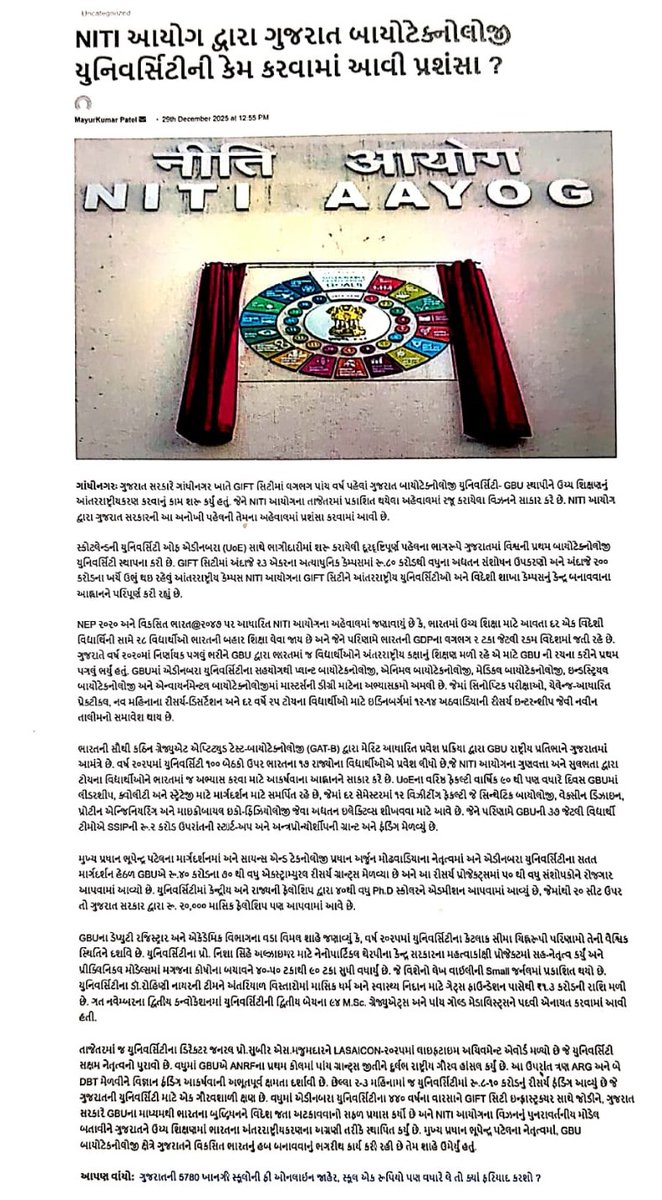
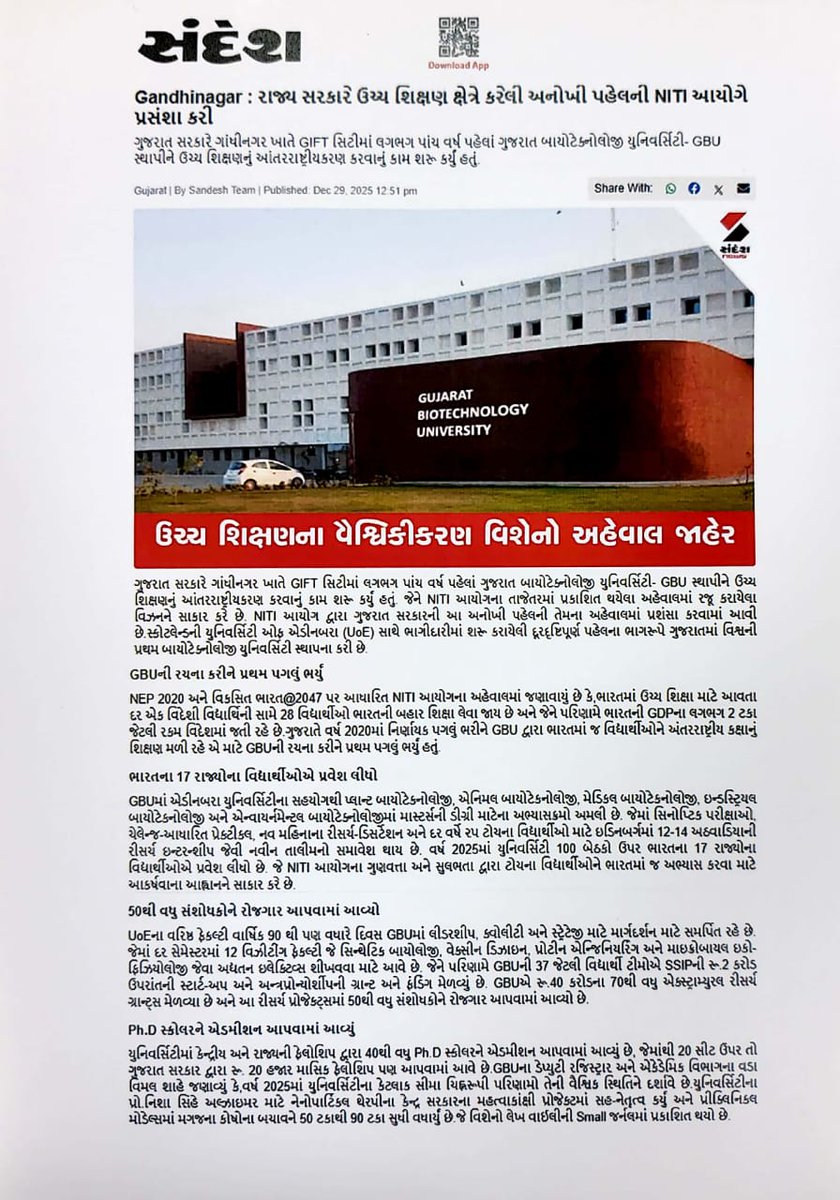
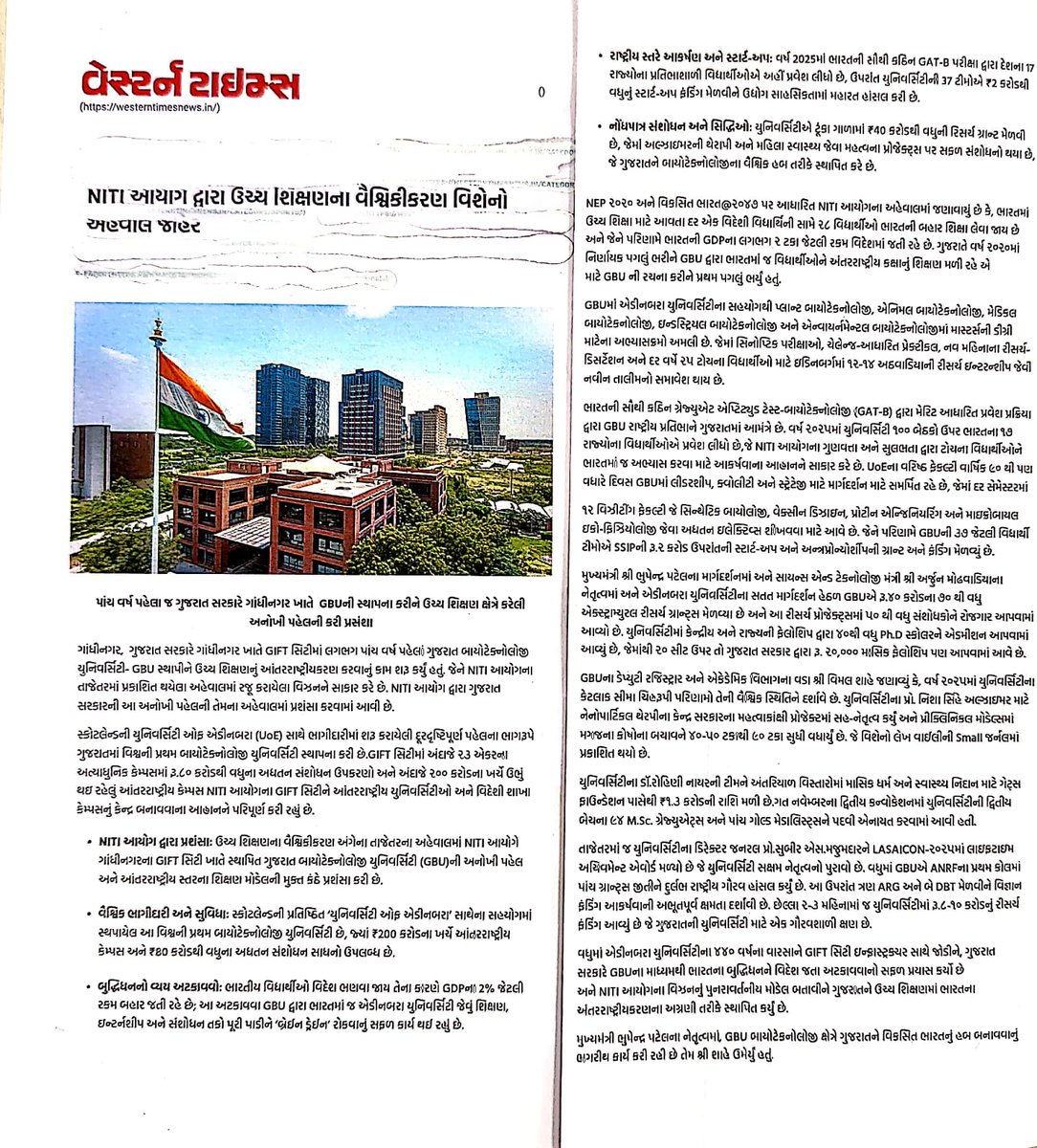
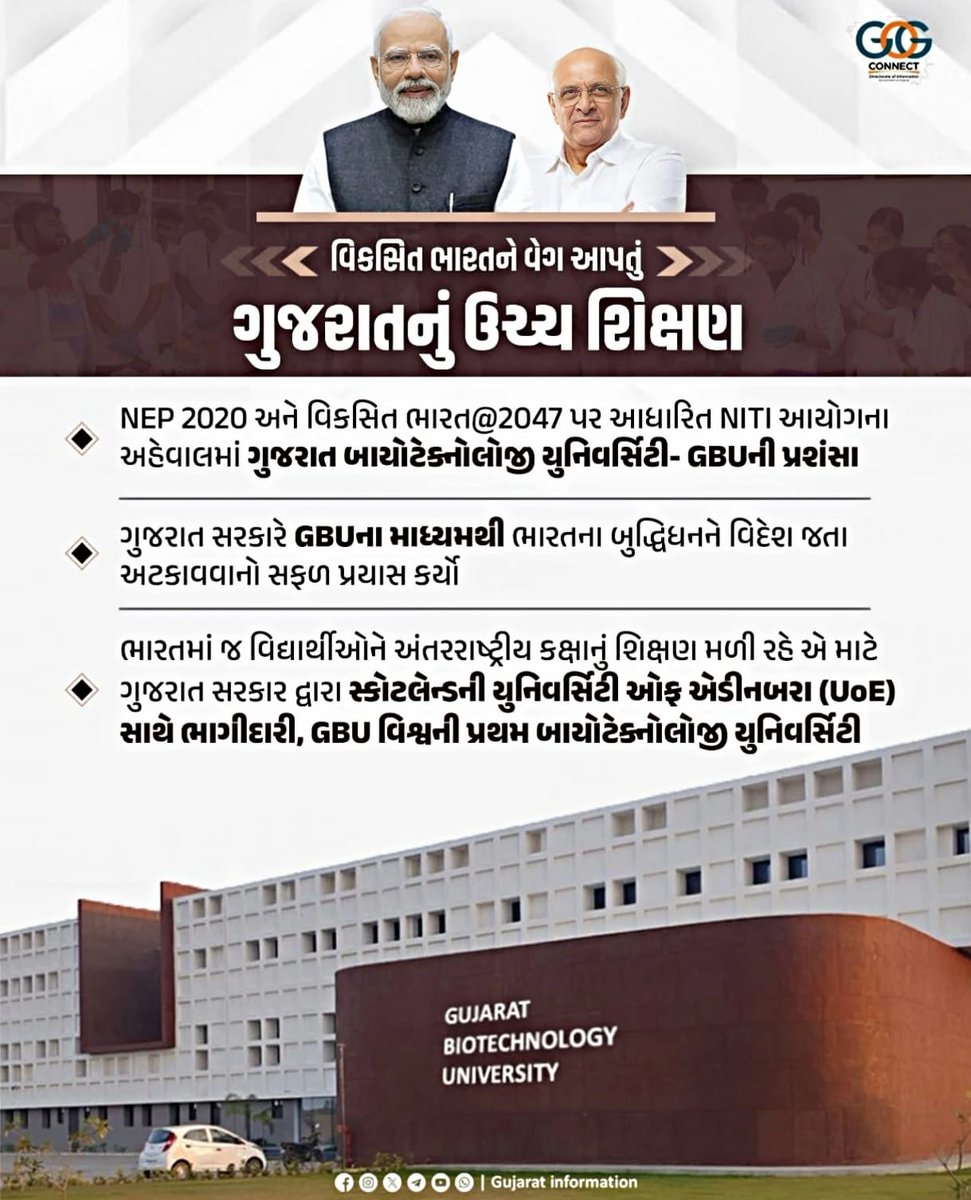
GBU is honored to be featured in the NEP & Viksit Bharat @2047 report by NITI Aayog, recognizing our commitment to advancing biotechnology education, research, and innovation.
#NEP #ViksitBharat2047 #NitiAayog #BiotechResearch
@CMOGuj
@InfoGujarat
@dstGujarat
@arjunmodhwadia
1
8
221

23 Dec 2025
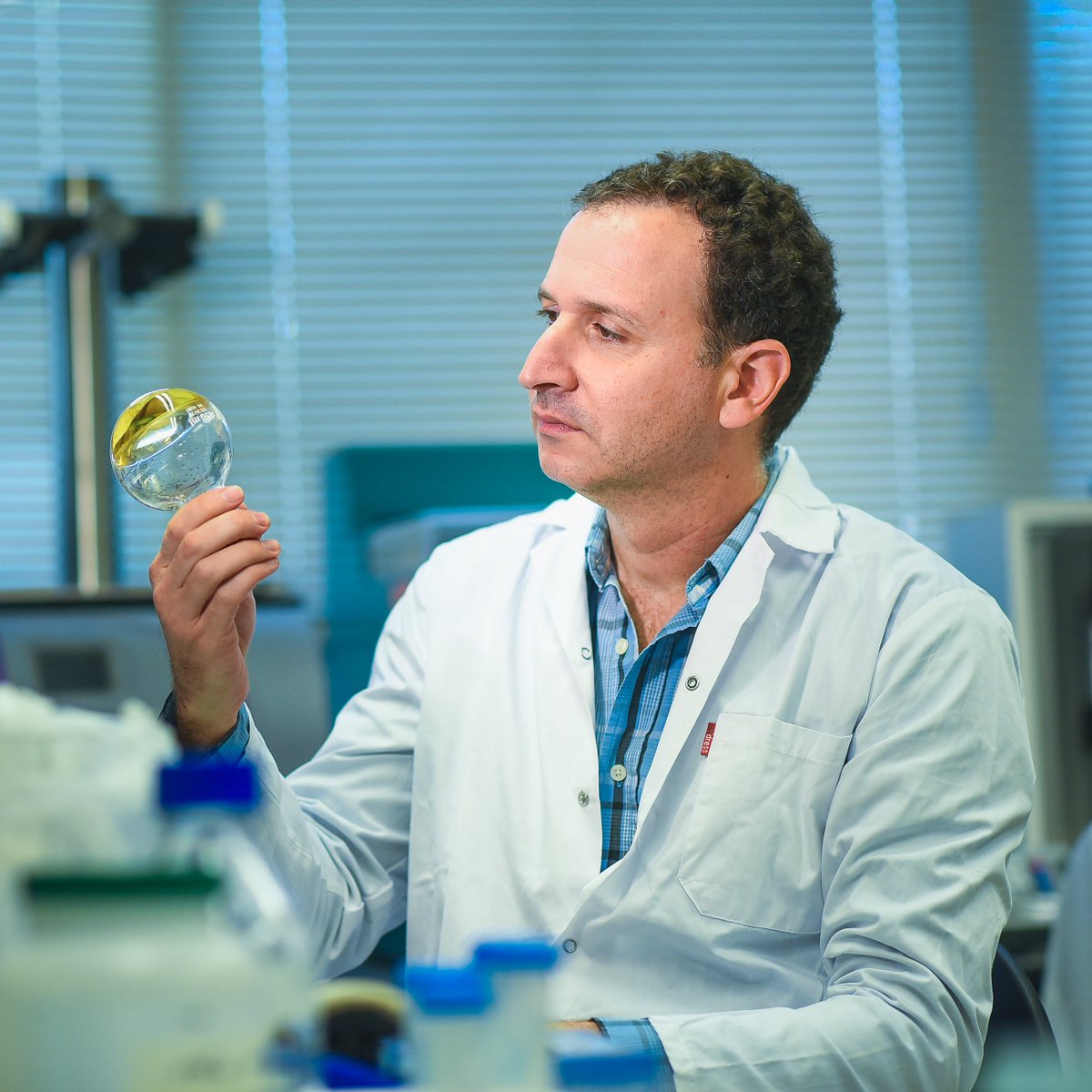
Technion researchers have developed a breakthrough: live, engineered bacteria that produce drugs inside the body.
Delivered via a dissolvable microneedle patch, this system offers fresh, localized, and long-lasting therapy. A new era of “medicine from within.”
@AdvPortfolio
advanced.onlinelibrary.wiley…
#Biotechnology #MedicalInnovation #DrugDelivery #SyntheticBiology
#HealthcareTechnology #AdvancedHealthcareMaterials #BiotechResearch #MedicineFromWithin
1
10
14
1,165

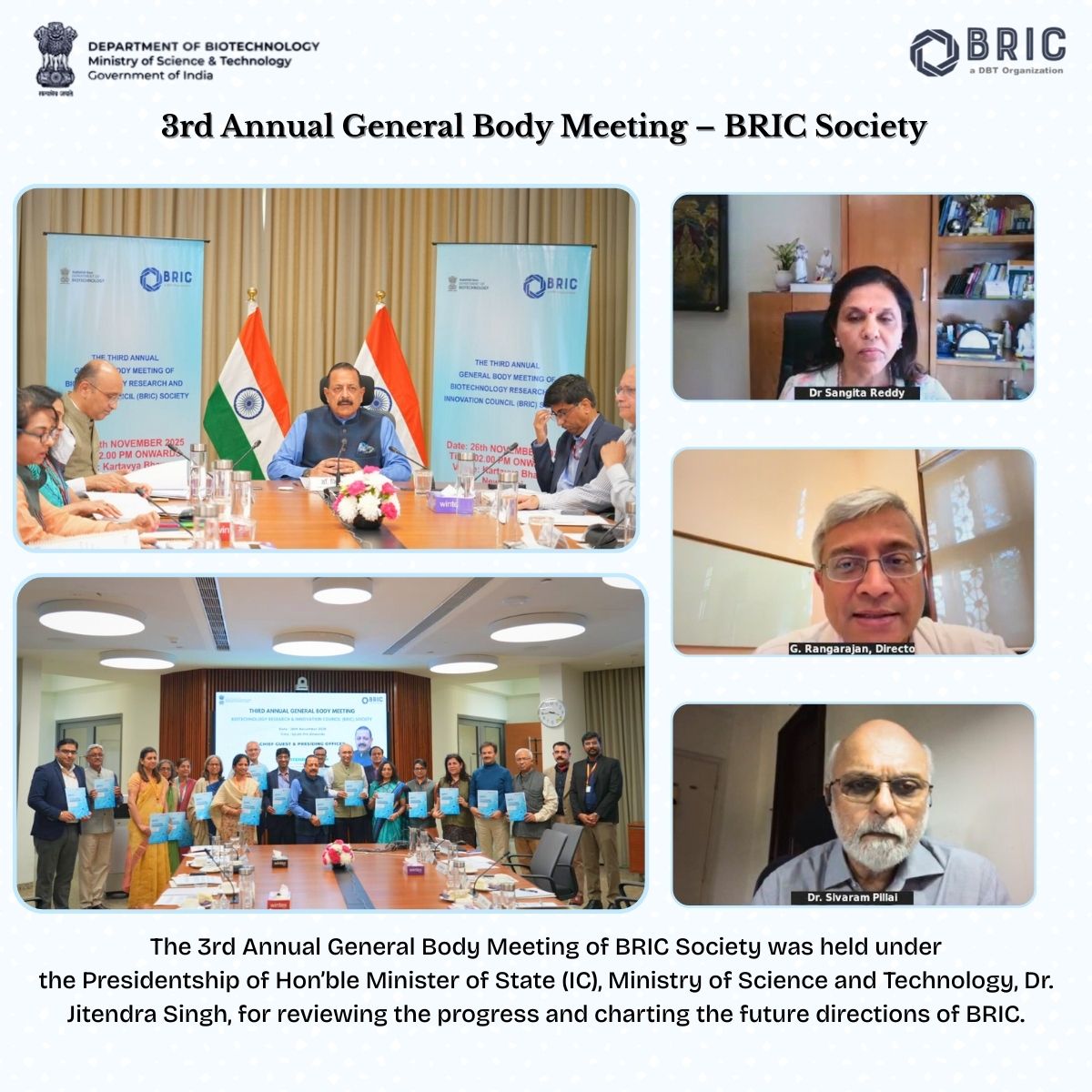
BRIC Society held its 3rd AGM under the leadership of Hon’ble MoS (IC) Dr. Jitendra Singh, reviewing key milestones and setting priorities to advance India’s biotechnology sector.
@DrJitendraSingh
#BRICSociety #BiotechEcosystem #IndiaScience #STI #BiotechResearch #Innovations
3
2
259

27 Oct 2025
🔬 @HydNiab Innovation Spotlight |
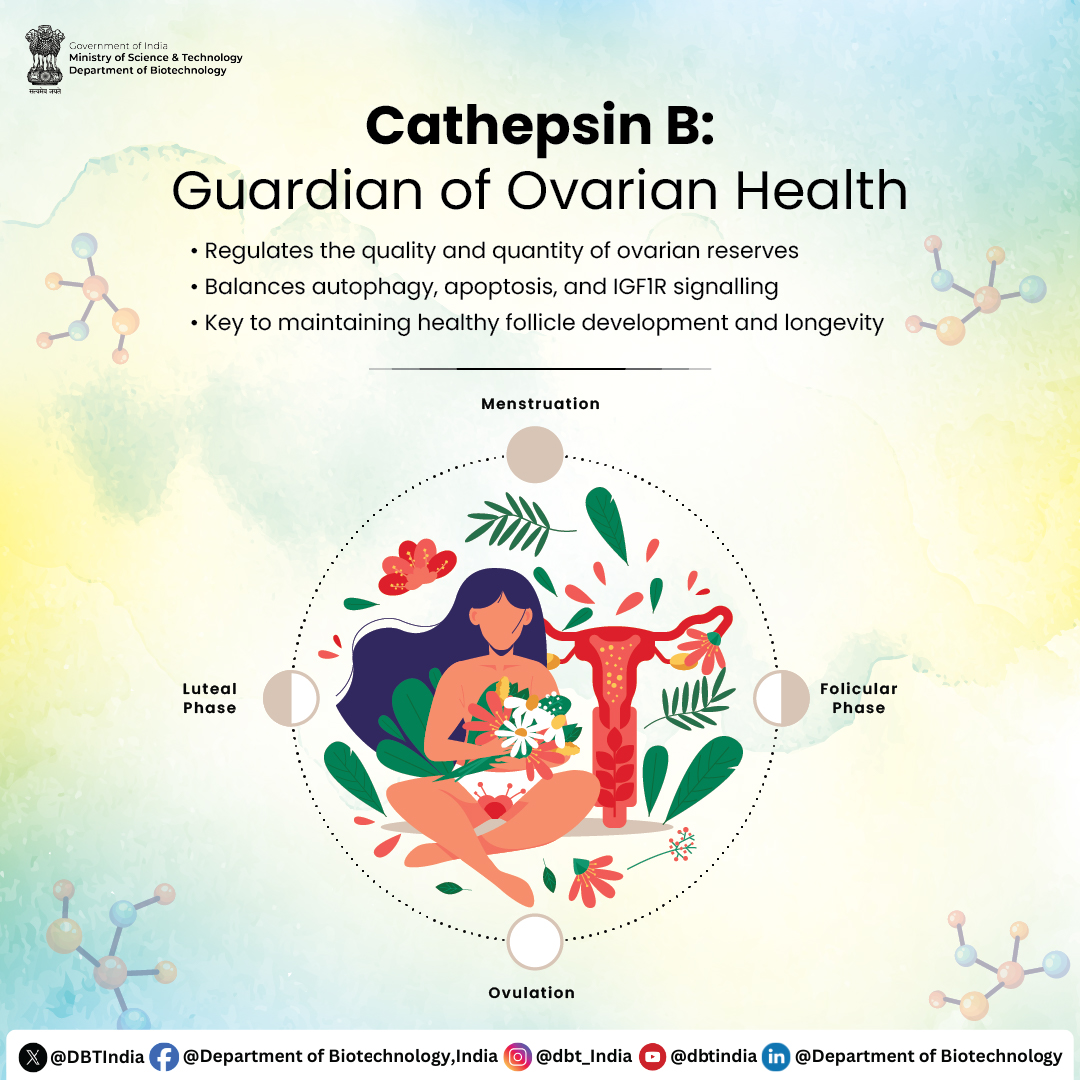
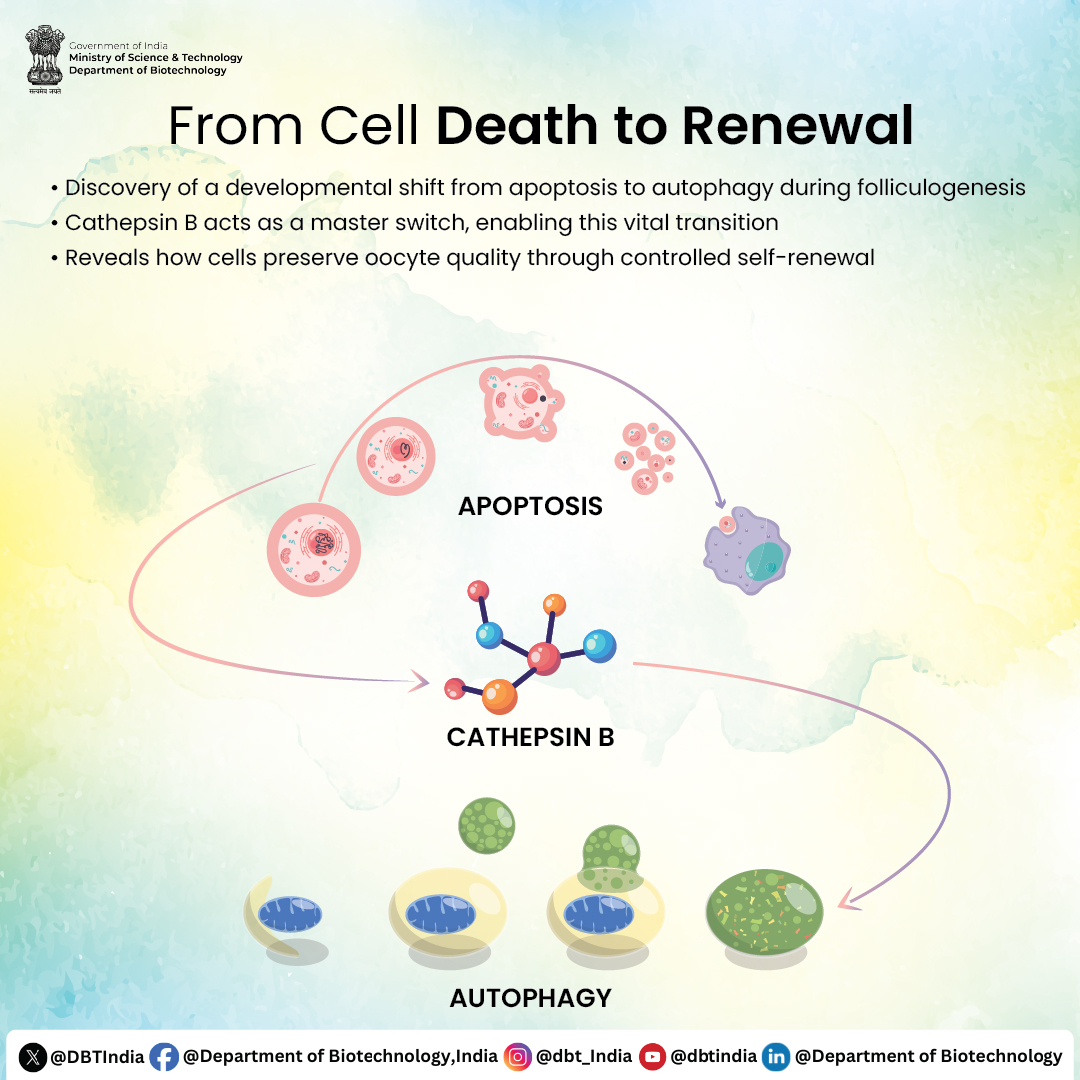
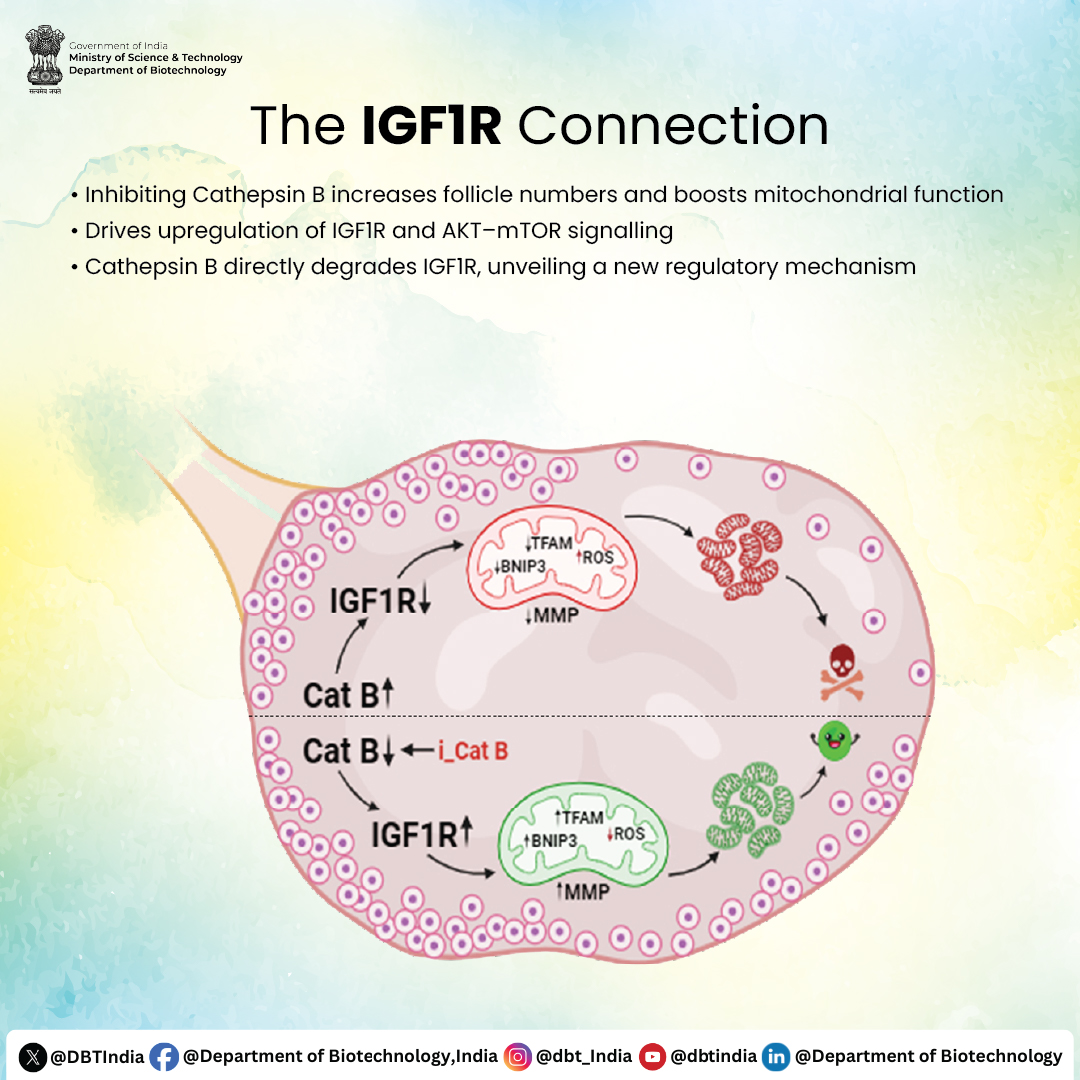
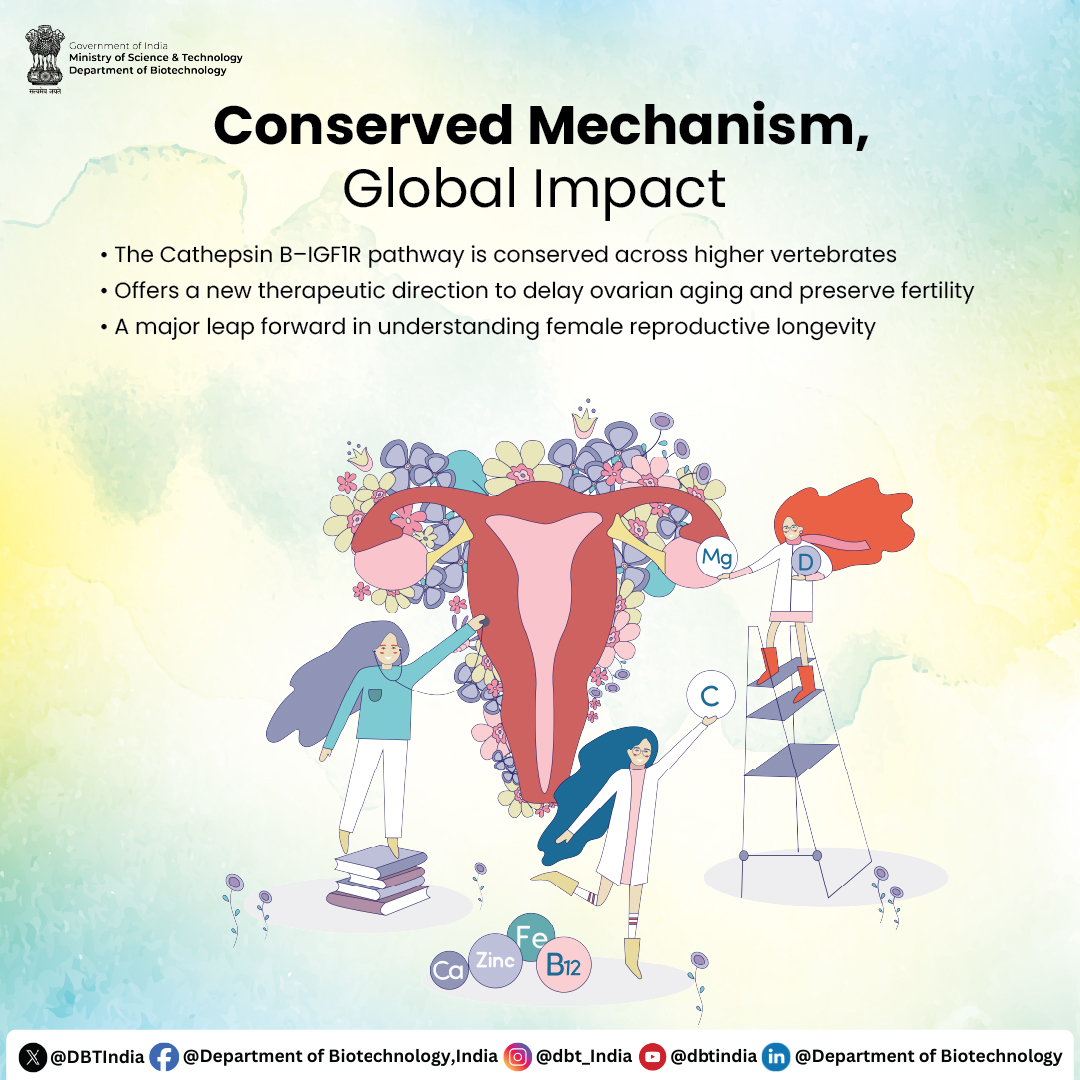
Cathepsin B: The Guardian of Ovarian Health
Scientists at BRIC–NIAB have uncovered how Cathepsin B plays a vital role in maintaining ovarian health — balancing cell renewal, regulating follicle reserves, and influencing fertility longevity.
This discovery enhances our understanding of female reproductive biology and opens new directions for therapeutic research.
#OvarianHealth #ReproductiveHealth #ScienceForLife #BiotechResearch
@DrJitendraSingh
@rajesh_gokhale
@BricDbt @NABI_India @bric_ils @NIPGRsocial @NImmunology @DBT_NBRC @FollowDbtNibmg @HydNiab @BRIC_CDFD @DBT_NCCS_Pune @ICGEB @DBT_inStem @RGCB_Trivandrum @THSTIFaridabad
@ICGEBNewDelhi @unescorcb
8
12
957

2 Aug 2025
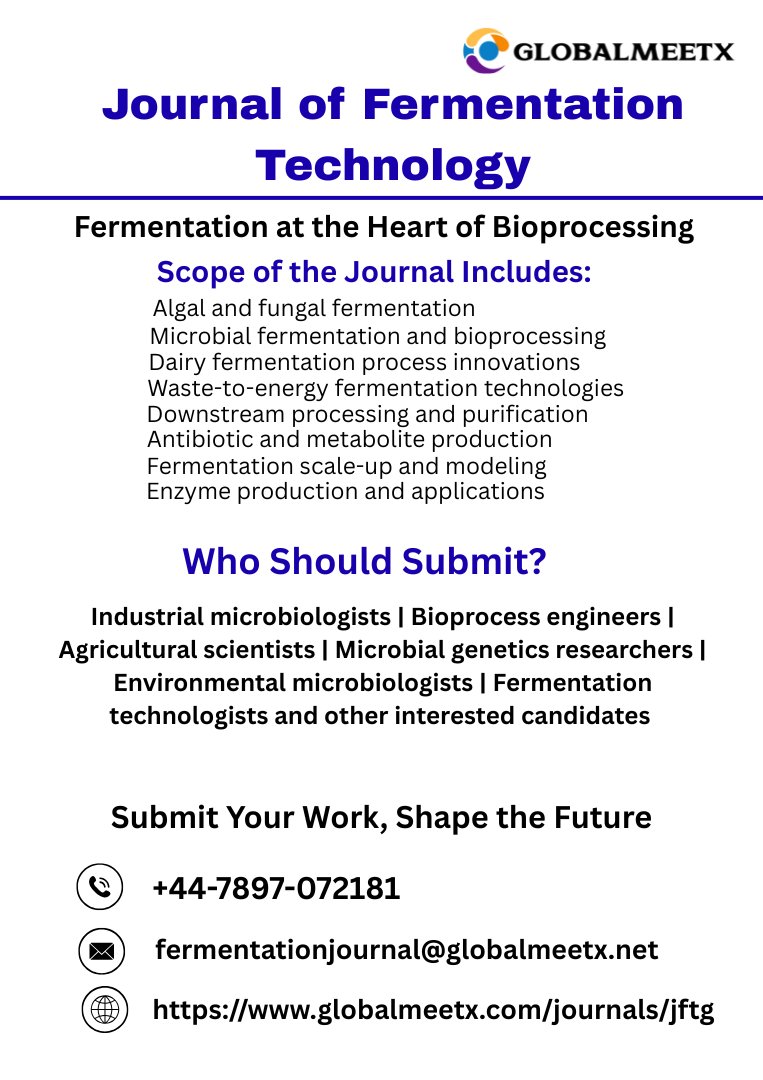
Journal of Fermentation Technology is now open for submissions!
Submit today and shape the future of sustainable research!
Email: fermentationjournal@globalmeetx.net
Contact: 44-7897-072181
#FermentationScience #Bioprocessing #Microbiology #BiotechResearch #EnzymeTechnology
2
17

18 Jul 2025
Sanvi, a dedicated B.Tech Biotechnology student from AMITY Noida, successfully completed her two-month project training in my lab at #UPES, working on ovarian cancer. Wishing her all the best for a bright future! 🌟🔬🧬 #Mentorship #BiotechResearch #OvarianCancer


2
14

6 Jun 2025
4/5
🕸️ Data is fragmented
Research is trapped in academic silos & private databases.
Scientists work in isolation, slowing discovery.
BIO SYNQ DAO integrates AI blockchain tools to unlock collaboration at scale.
Faster breakthroughs.
#OpenScience #AI #Blockchain #BiotechResearch #DeSci #DataLiberation #BIO_SYNQ_DAO

1
1
6
100

6 Jun 2025
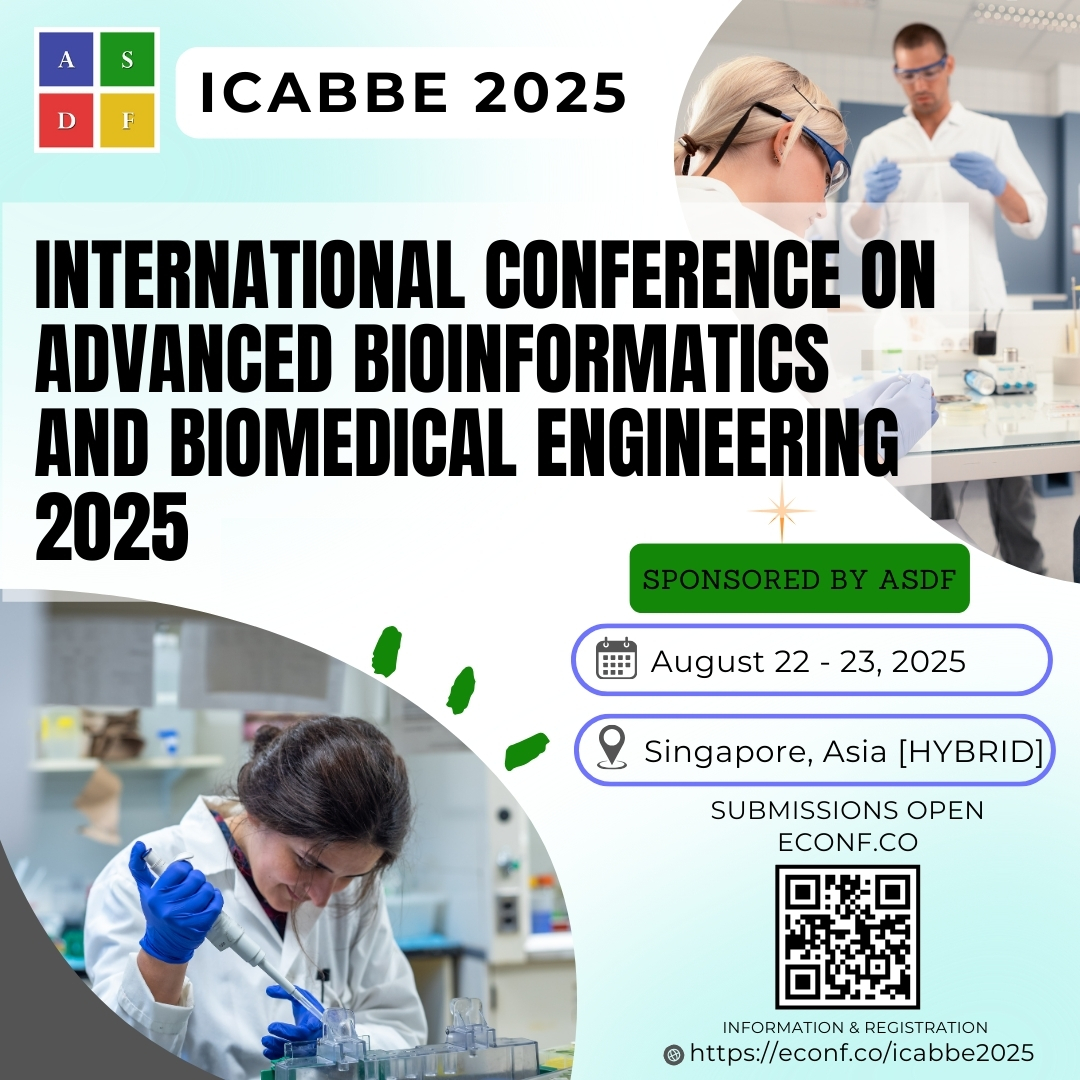
International Conference on Advanced Bioinformatics and Biomedical Engineering 2025
#HealthcareInnovation
#ComputationalBiology #MedicalTech #TechForLife #BiotechResearch #GlobalScience #ICABBE2025 #ASDFInt
Unlock a wealth of additional resources here econf.co/icabbe2025/
1
2
32