CONNECTING A PERSON TO HARDWARE THROUGH EMULATION & VIRTUALIZATION
Part 2: THE 3D MICROCHIP
3D Microchips
Three-dimensional (3D) microchips are a technological advancement that involves vertically stacking multiple layers of integrated circuits or wafers into a single package, interconnected using through-silicon vias (TSVs) or hybrid bonding.
This approach allows for a significant increase in functional density within a smaller footprint compared to traditional two-dimensional (2D) designs, which lay out components side by side on a single plane.
web.archive.org/web/20240916…
The primary goal of 3D-IC technology is to meet the growing demand for higher processing power, improved performance, and reduced power consumption in a compact form factor, which is crucial for applications in mobile devices, the Internet of Things (IoT), artificial intelligence (AI), and high-performance computing.
Research into 3D microchips has evolved over time. Early work from the University of Cambridge in 2013 demonstrated a novel spintronic chip capable of moving information in three dimensions using a "nano-staircase" structure, where data could climb between layers made of cobalt, platinum, and ruthenium.
cam.ac.uk/research/news/3d-m…
CREATING 3D STRUCTURES USING MEMS
Using MEMS to create 3D Structures
MIT researchers have also been pioneers in this field, developing methods TO CREATE 3D STRUCTURES USING MICROELECTROMECHANICAL SYSTEMS (MEMS) as early as 2012.
news.mit.edu/2012/three-dime…
More recently, in 2024, MIT engineers fabricated 3D chips by growing alternating layers of semiconducting materials directly on top of each other, a process that eliminates the need for thick silicon between layers, leading to faster computation.
news.mit.edu/2024/mit-engine…
PROGRAMS - DARPA
Microphysiological Systems
(Microfluidic Devices, Channels & Linking)
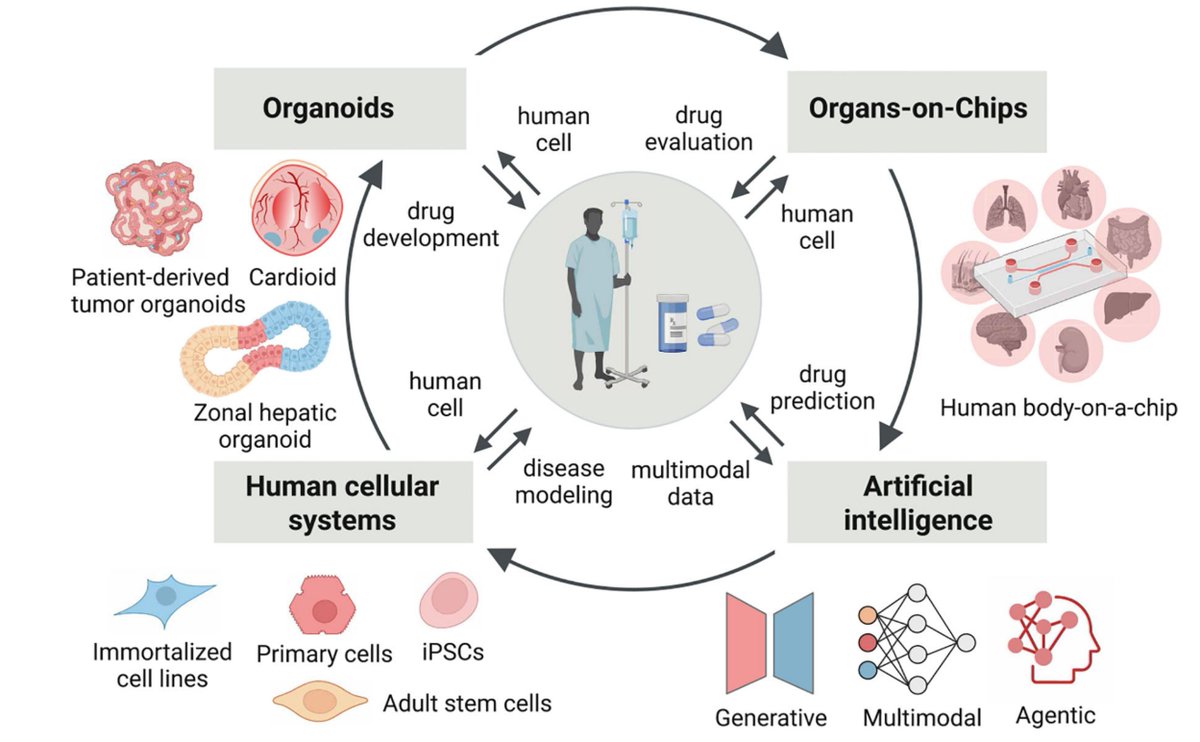
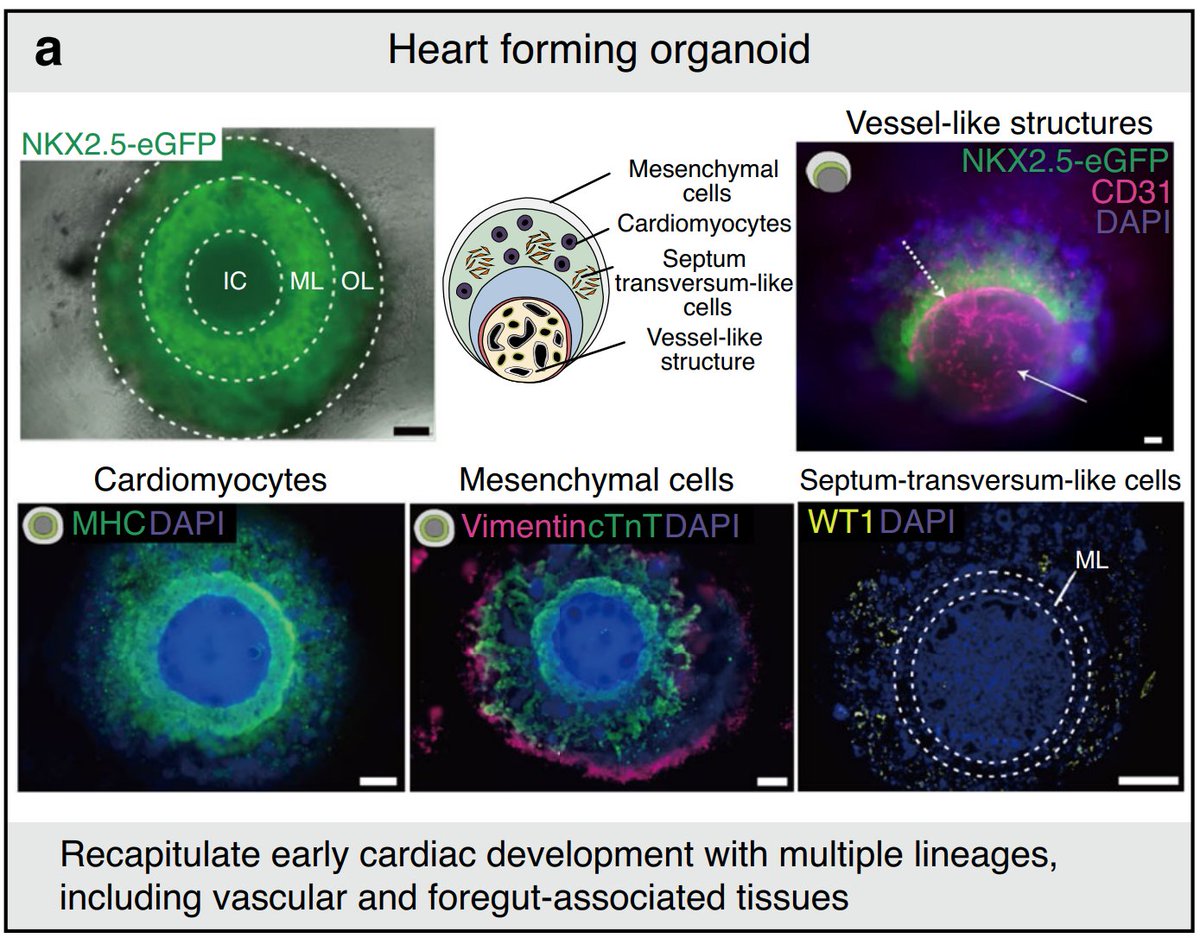
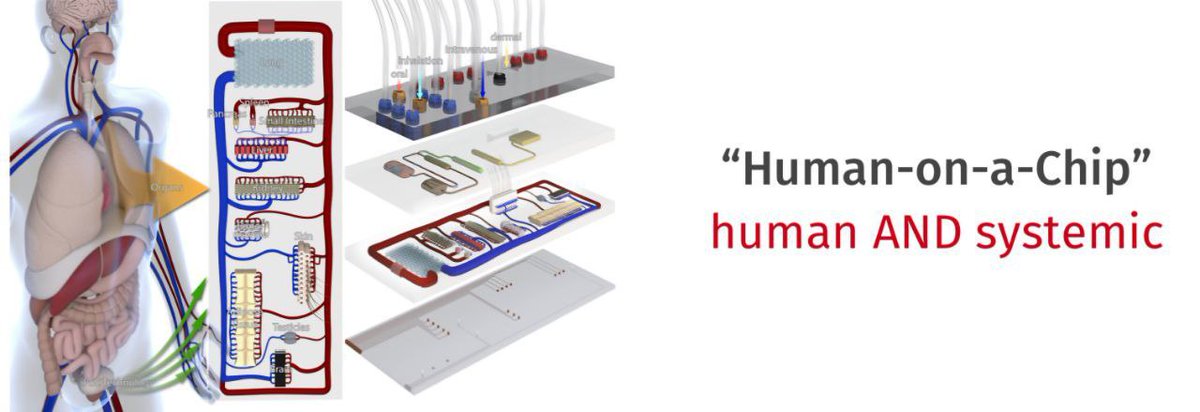
The MPS program is developing in vitro platform technology to rapidly assess medical countermeasures in a way that is relevant to human health using interlinked “organoid” systems that INCORPORATE ENGINEERED HUMAN TISSUE and MICROFLUIDICS technology INTO MICROCHIPS THAT MIMIC THE FUNCTIONS of human physiological systems.
web.archive.org/web/20200503…
This newer approach leverages two-dimensional (2D) materials like transition metal dichalcogenides (TMDs) and a technique called "remote epitaxy," which allows for the low-temperature growth of these layers, preventing damage to underlying components.
perplexity.ai/page/mit-s-sta…
A key advantage of 3D integration is the ability to combine different types of technology—such as logic, memory, analog, RF, and MEMS—on a single chip, even if they are fabricated at different process nodes.
web.archive.org/web/20240916…
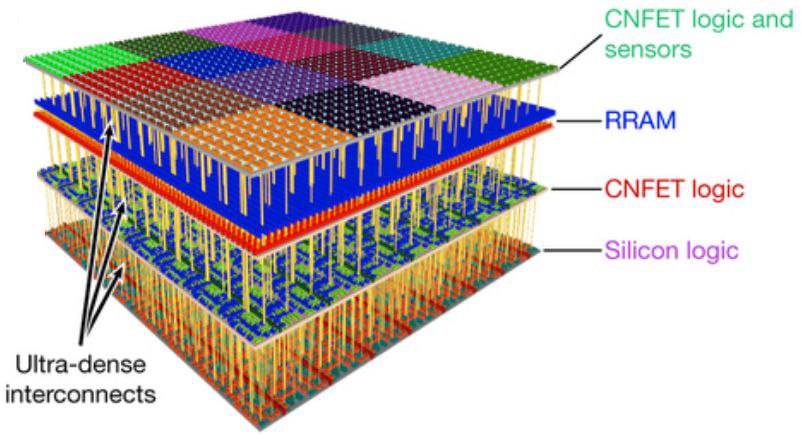
This heterogeneous integration allows for the creation of complex systems, such as a prototype chip that integrates carbon nanotube-based logic, non-volatile memory, and nanosensors on stacked layers, enabling in-situ data processing and storage.
nature.com/articles/nature22…
This architecture directly addresses the "von Neumann bottleneck" by drastically reducing the distance data must travel between processors and memory, potentially leading to significant performance gains.
livescience.com/52207-faster…
While challenges remain, including heat dissipation and manufacturing complexity, 3D-IC technology represents a critical path forward for the semiconductor industry, offering a solution to the limitations of traditional silicon scaling and enabling the "more than Moore" paradigm.
3D INTEGRATED CIRCUITS
3DIC
A 3DIC is a three-dimensional integrated circuit (IC) built by vertically stacking different chips or wafers together into a single package.
Within the package, the device is interconnected using through-silicon vias (TSVs) or hybrid bonding.
web.archive.org/web/20250123…
3D-IC Technology
web.archive.org/web/20240916…