
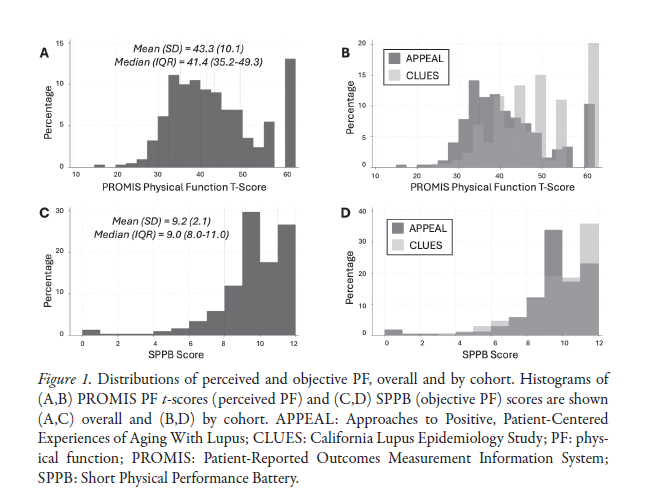
Research Article
Perceived and Objective Physical Function in 2 United States Population-Based Cohorts of Adults With Systemic Lupus Erythematosus
📖 jrheum.org/cgi/content/full/…
@UCSFDOM @JYazdanyMD
#Aging #PhysicalFunction #Lupus
1
3
371

>>> Empowering Parkinson’s Disease Management Through Mobile Applications: A Systematic Review and Meta-Analysis |… telehealthandmedicinetoday.c…
#mentalhealth #mobilehealthapplications, #Parkinsonsdisease #physicalfunction #mHealth #mobileapps #digitalhealth #eHealth #telehealth
1
4
111
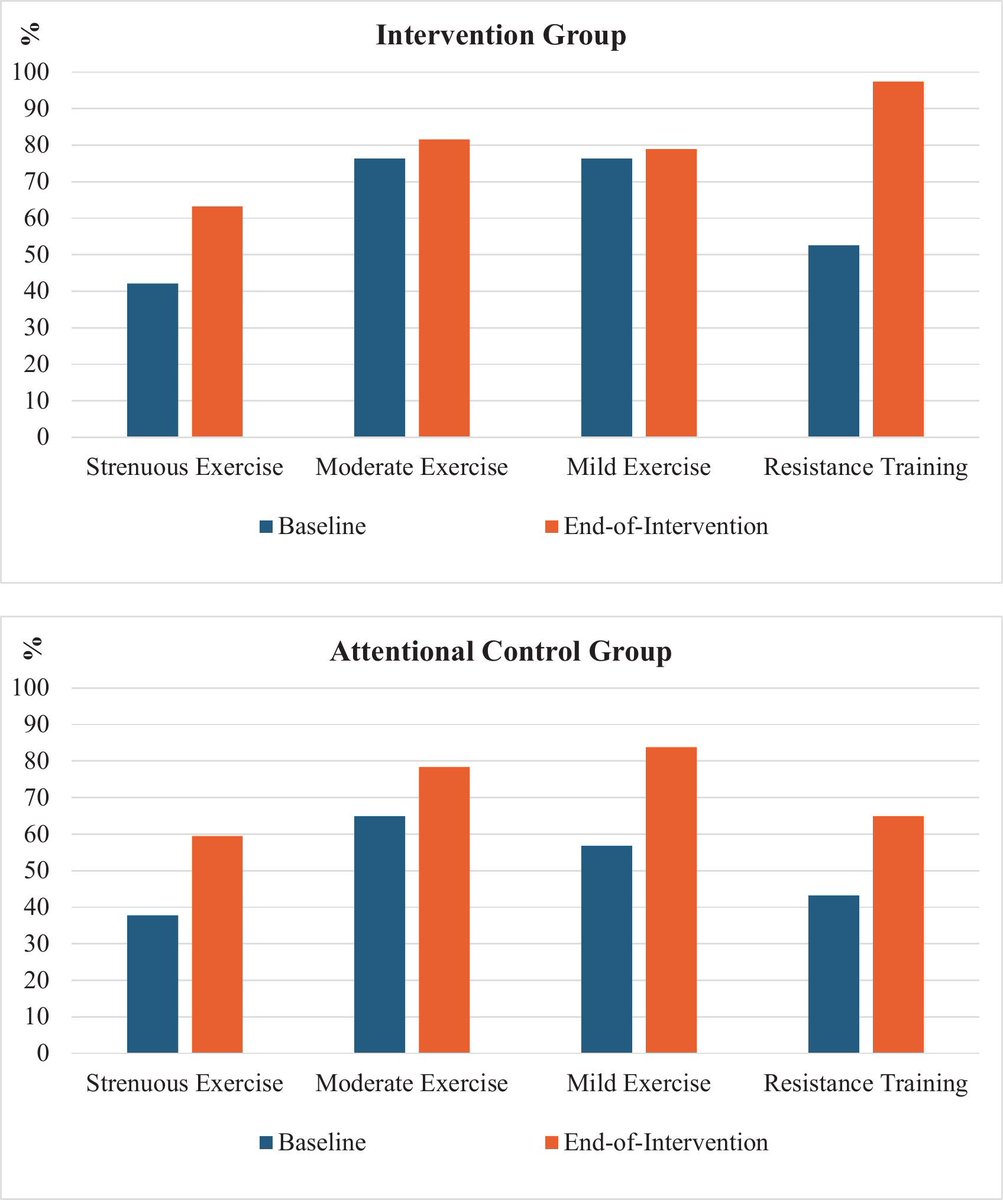
Results of the E-intervention for Protein Intake and Resistance Training to Optimize Function (E-PROOF) study among older cancer survivors geriatriconcology.net/articl… @WilliamDale_MD @myCARG #GeriOnc #OlderAdults #OncoAlert #SIOG #YoungSIOG #Elsevier #CancerSurvivorship
#GeriatricOncology #PhysicalFunction #RandomizedControlledTrial
4
7
508

Apr 29
New #OpenAccess research from Archives of Rehabilitation Research & Clinical Translation (ARRCT).
This study characterizes changes in physical function from acute hospitalization to home health care across different diagnostic categories, highlighting recovery patterns during care transitions.
Read the article: archives-rrct.org/article/S2…
#ACRM #ARRCT #OpenAccess #RehabilitationResearch #CareTransitions #PhysicalFunction #HomeHealth #HealthServices #ClinicalResearch
1
5
126

Among patients with #Cancer receiving chemotherapy, persistent moderate or severe symptoms, especially deficits in #PhysicalFunction, pain, dyspnea, and appetite, were associated with higher mortality within 180 days. ja.ma/4twZQ4b
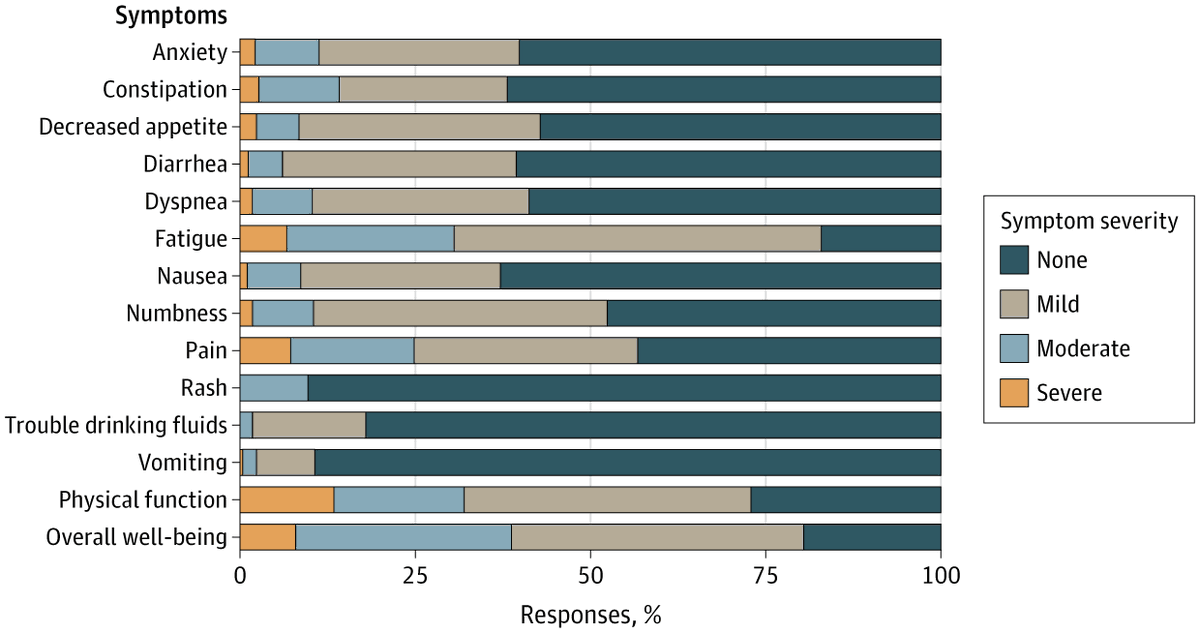
ALT Horizontal bar graph shows symptom severity from none to severe. Symptoms listed are anxiety, constipation, decreased appetite, diarrhea, dyspnea, fatigue, nausea, numbness, pain, rash, trouble drinking fluids, vomiting, physical function, and overall well-being.
4
524

If the goal is keeping patients functional and preventing falls, power training is not optional.
#MusclePower #FallsPrevention #Healthspan #AgingWell #PhysicalFunction #ACSM2026
1
3
134

Our most recent publication: #Bone, #muscle, and #PhysicalFunction measures in #OlderAdults according to levels of #social #disadvantage: a cross-sectional study: link.springer.com/article/10… @AIMSSresearch @McGill_DOM @RIMUHC1 #Osteosarcopenia
4
183

20 Oct 2025
📢 New Study Alert:
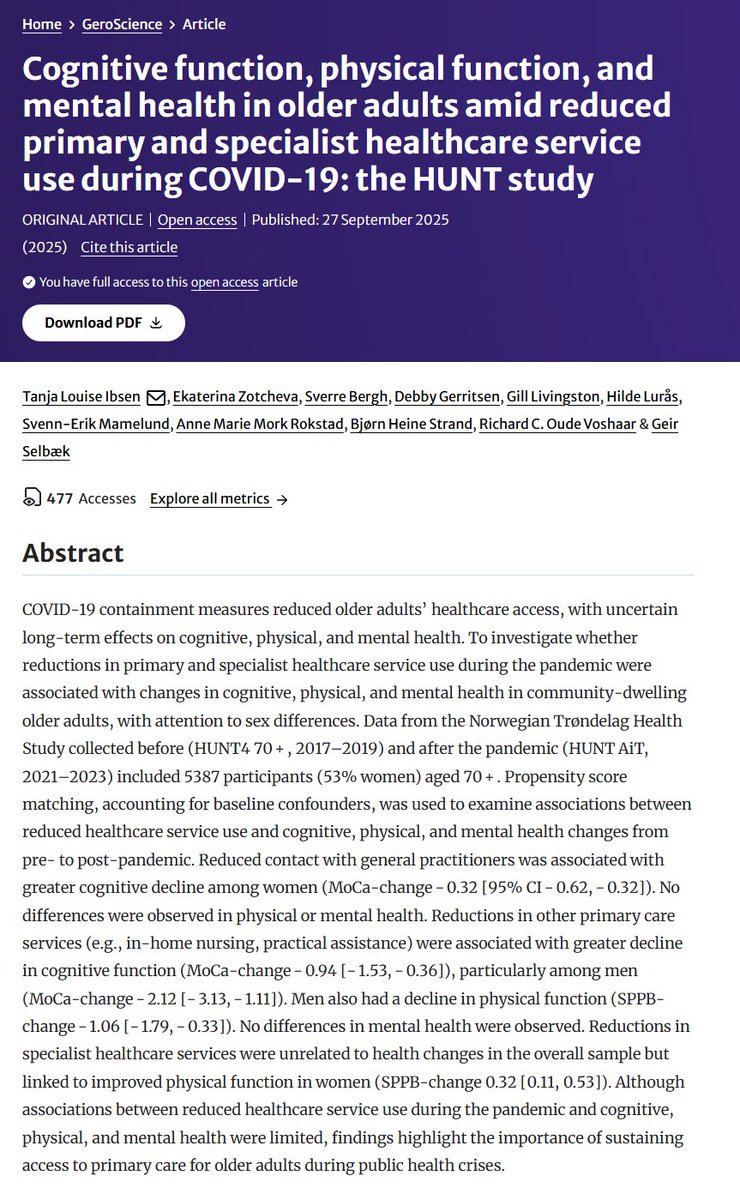
“Cognitive function, physical function, and mental health in older adults amid reduced primary and specialist healthcare service use during COVID-19: The HUNT Study” by Tanja Louise Ibsen, Geir Selbæk et al.
🔗 Dive into the full article: rdcu.be/eLTY5
#Aging #HealthcareAccess #CognitiveHealth #PhysicalFunction #COVID19 #HUNTStudy #Geriatrics
2
5
442
4 Aug 2025
📢New Open🔓 Access Article Alert
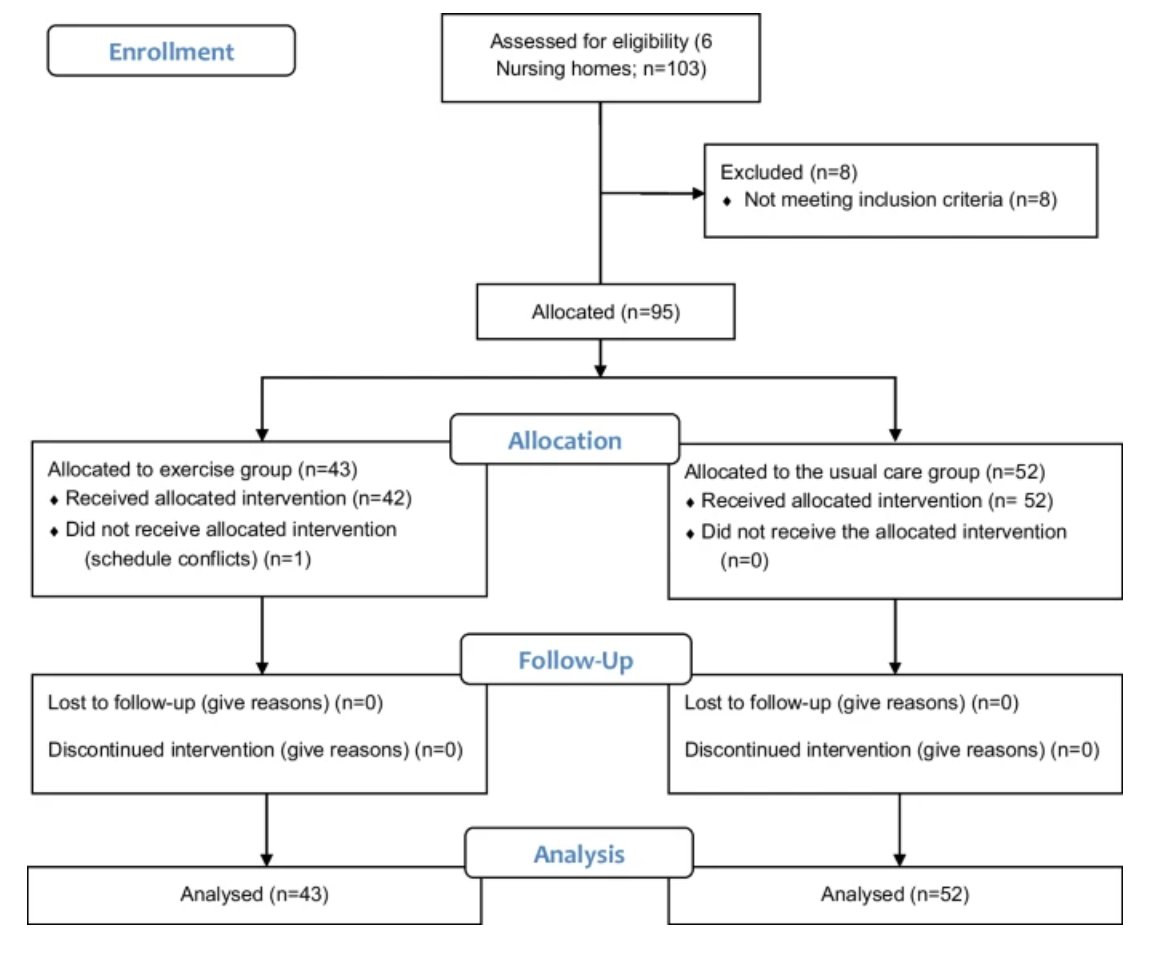
One-year concurrent training improves physical performance and handgrip strength in nursing home residents by Duarte Barros & Elisa A. Marques et al.
rdcu.be/ezgvl
#exercise #longtermcare #PhysicalFunction #pragmatictrial
2
4
465
18 Jul 2025
❗Check Out Our New OA🔓 Paper
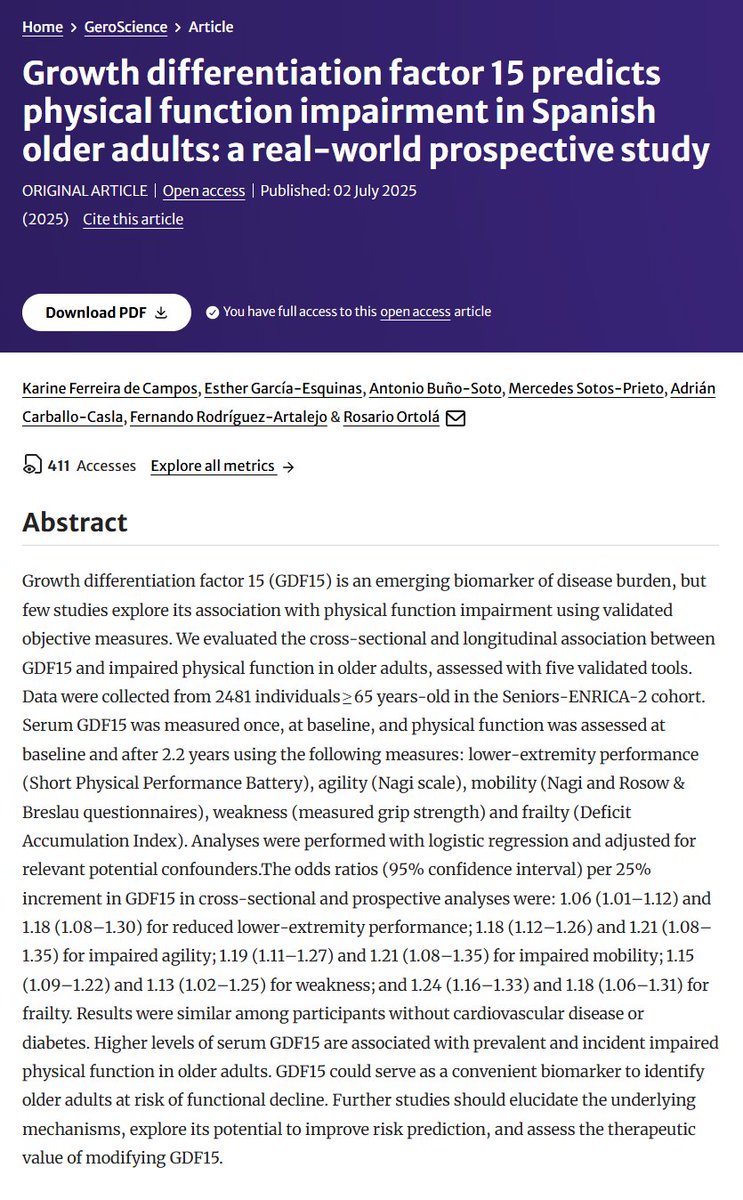
Growth differentiation factor 15 predicts physical function impairment in Spanish older adults: a real-world prospective study by Karine Ferreira de Campos & Rosario Ortolá et al.
rdcu.be/ewS56
#Frailty #PhysicalFunction #agility #mobility
2
4
511

18 Jul 2025
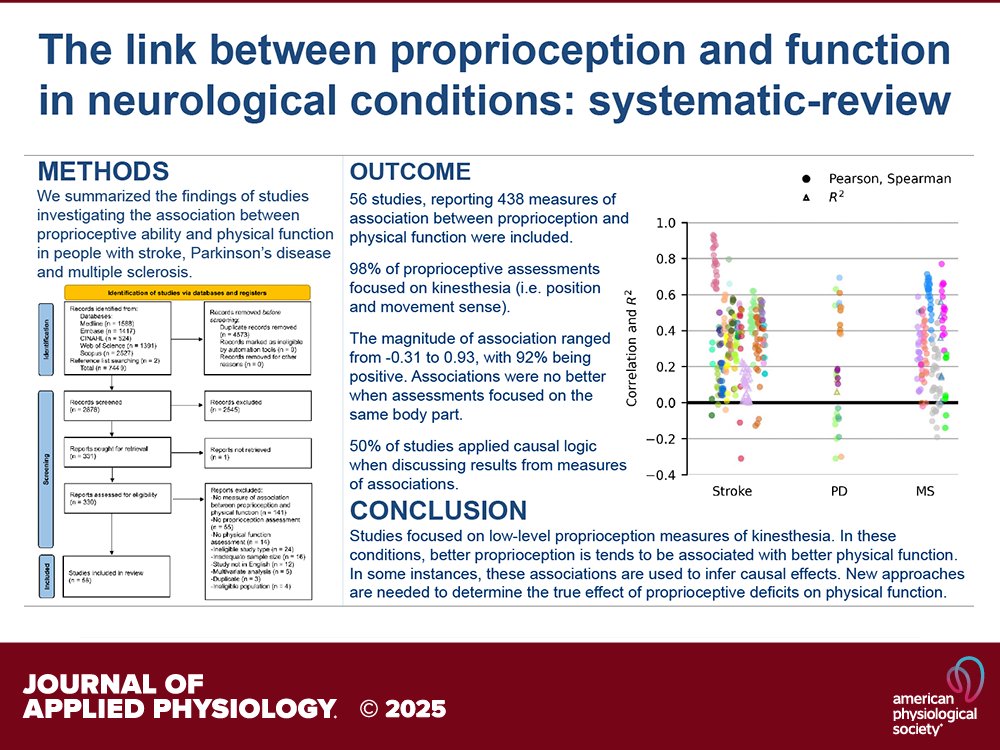
Systematic Review by LS Robertson et al. (@SimonGandevia @martin_heroux @joannadiong @geo_fish) The relation between #proprioceptiveability and #physicalfunction in people with #stroke, #Parkinsonsdisease, and #multiplesclerosis
ow.ly/PoHR50WoxAY
2
780

25 Jun 2025
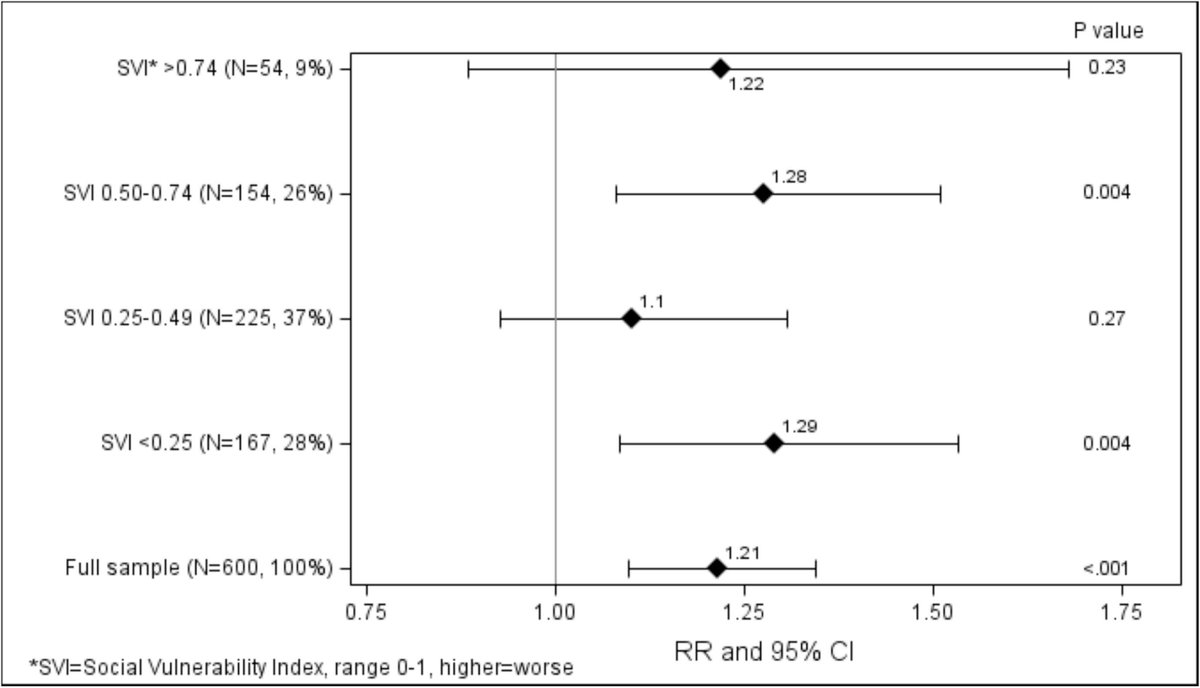
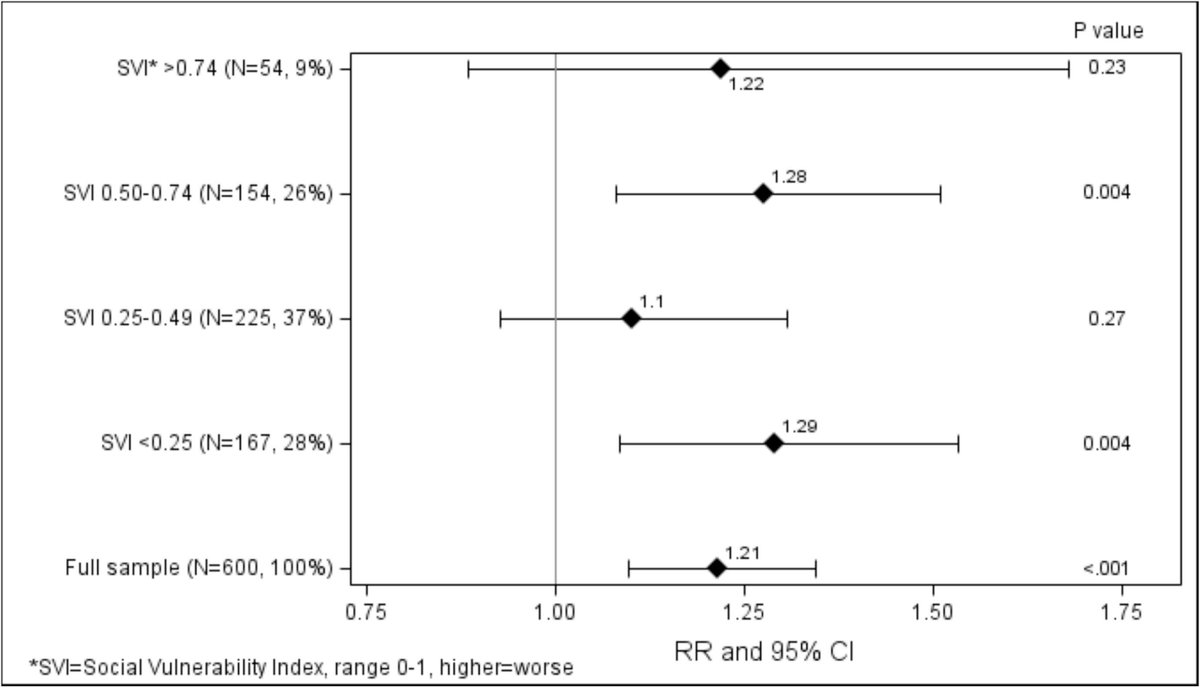
Fatigue, physical function, and the context of social vulnerability for older adults with cancer geriatriconcology.net/articl… @NikeshaGilmore @WilliamDale_MD @myCARG #GeriOnc #OlderAdults #OncoAlert #SIOG #YoungSIOG #Elsevier #CancerRelatedFatigue #PhysicalFunction #PatientReportedOutcomes #SocialDeterminantsofHealth #SocialVulnerability
5
12
639

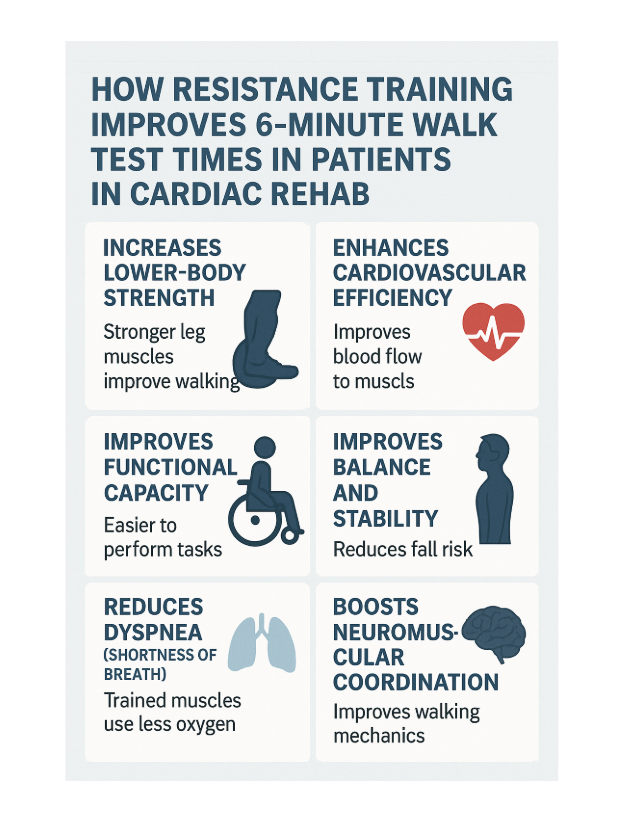
Most people when they think of resistance training in terms of the benefits, they usually think bigger muscles and more strength. Yes, it does provide those benefits but in addition it also can contribute to improving functional capacity. Not only this is important in general, but this is especially important in patients undergoing cardiopulmonary rehabilitation since functional capacity is usually compromised. When appropriate, resistance training along with aerobic training can further enhance a patients VO2max and overall quality of life, and most importantly decrease mortality. In a way, the benefits of resistance training further allow for the cardiopulmonary system to work easier.
Supporting Research:
1) ncbi.nlm.nih.gov/books/NBK99…
2) doi.org/10.1016/S1836-9553(1…
3) doi.org/10.1093/eurjpc/zwac0…
4) pmc.ncbi.nlm.nih.gov/article…
5) pubmed.ncbi.nlm.nih.gov/1725…
#CardiacRehab #HeartHealth #CardiacRecovery #ChronicDiseaseExercise #RehabStrong #ResistanceTraining #StrengthTraining #ExercisePhysiology #FunctionalFitness #MoveToImprove #ClinicalExercisePhysiology #ExerciseIsMedicine #PhysicalFunction #RehabExercise #ExerciseForHealth #CardiacRehabilitation #CancerRehab #CancerRehabilitation #OncoRehab #OncoRehabilitation #MovementIsMedicine #Lifestyle #PhysicalTherapy #PhysicalTherapist #ResistanceTraining #StrengthTraining #MusclePower #Muscle #CardiovascularDisease #ExerciseOncology #Cardiology #Cardiologist #ClinicalExercisePhysiologist #LifestyleMedicine
1
2
143

24 Mar 2025
A new study in @ESC_Journals shows that older patients with #HeartFailure with regular #Exercise habits had a lower risk of #Mortality and better #PhysicalFunction post-hospitalization.
Read the study here: ow.ly/e7K350ViXpz
Press release here: ow.ly/EL2E50ViXqF
9
18
163
136,923
14 Mar 2025
📢New Open🔓 Access Paper Alert
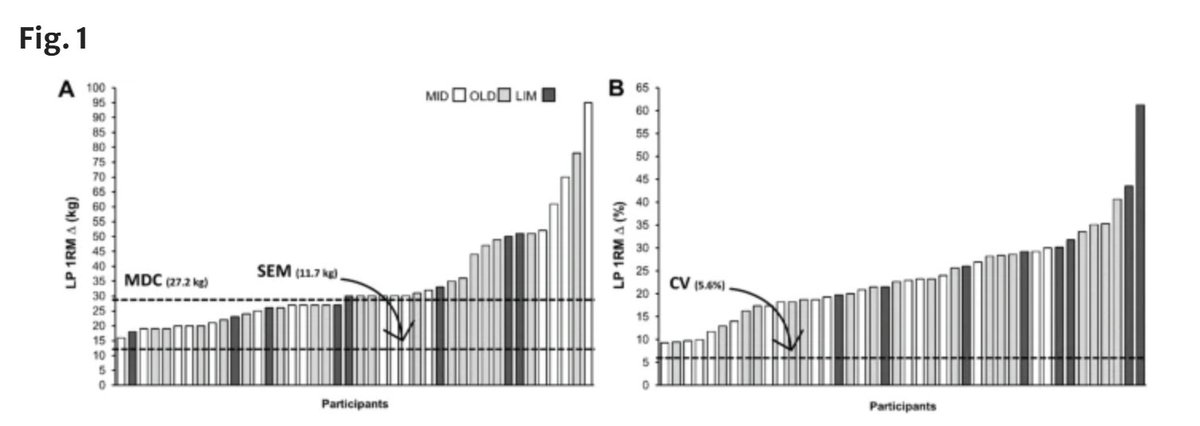
Examining the test–retest reliability of commonly used neuromuscular, morphological, and functional measures in aging adults by Gustavo Z. Schaun (@GustavoSchaun) & Cristine L. Alberton et al.
rdcu.be/edANK
#PhysicalFunction #functionalperformance #measurementprecision #reproducibility #aging
1
4
398
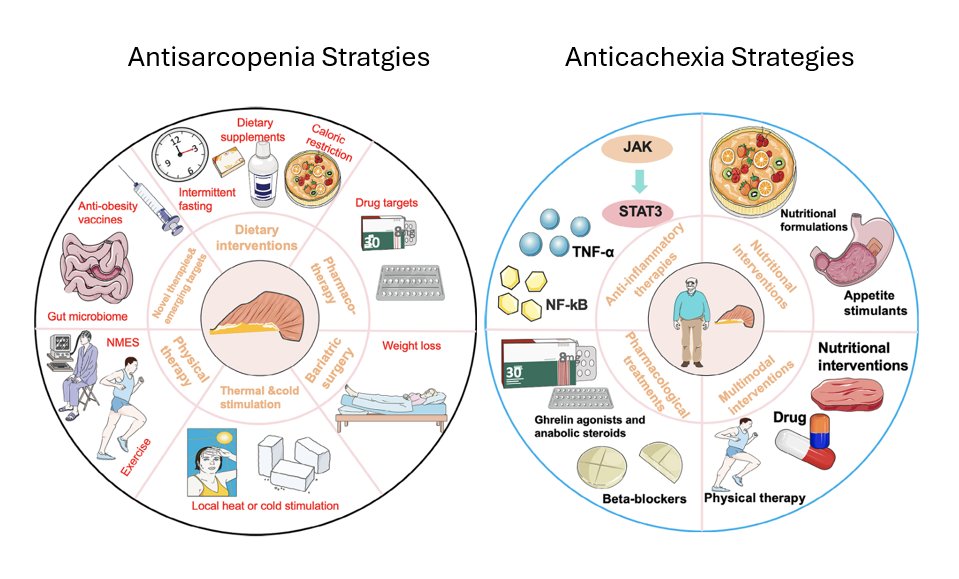
Great review discussing the interplay between sarcopenia and cachexia. Sarcopenia leads to muscle atrophy while cachexia not only leads to muscle loss but weight loss due to potent pro-inflammatory cytokines. Both conditions place many challenges on the individual and both share a common factor involving inflammation and metabolism, even though each condition has its own set of characteristics. Even mitochondrial dysfunction plays a common factor between the conditions. Regardless each condition severely impacts health and overall quality of life.
This review goes into great detail about the different therapeutic methods for each condition. Many of the methods hold promise for improving the issues associated with each condition. Even though there are a variety of therapeutic ways of preventing or managing the progressions of these conditions, exercise (specifically resistance training) and nutritional interventions can help. Not only they can help manage the issues, but they can help with prevention altogether. Exercise as a strategy alone represents a promising intervention since it can lessen and even possibly reverse the process of muscle wasting in sarcopenia and cachexia but more research is needed to confirm this. Overall each these conditions are complex and treatment should be comprehensive as much as possible.
pubmed.ncbi.nlm.nih.gov/3976…
#exerciseismedicine #oncology #exerciseoncology #exercise #exerciseoncology #cancerrehab #cancerrehabilitation #rehabilitation #prehab #prehabilitation #exercisephysiologist #exercisephysiology #exercisetherapy #physicaltherapy #physicaltherapist #clinicalexercisephysiologist #clinicalexercisephysiology #obesity #sarcopenia #sarcopenicobesity #cachexia #cancercachexia #diet #nutrition #malnutrition #lifestyle #prevention #treatment #cancerprevention #cancertreatment #qol #physicalfunction #mortality #anxiety #depression #fatigue #mentalhealth #frailty #physicalactivity #olderadult #cancerresearch #aging #nurse #nursepractioner #physician #oncologist #precisionmedicine #preventionscience #publichealth #health
1
2
5
317
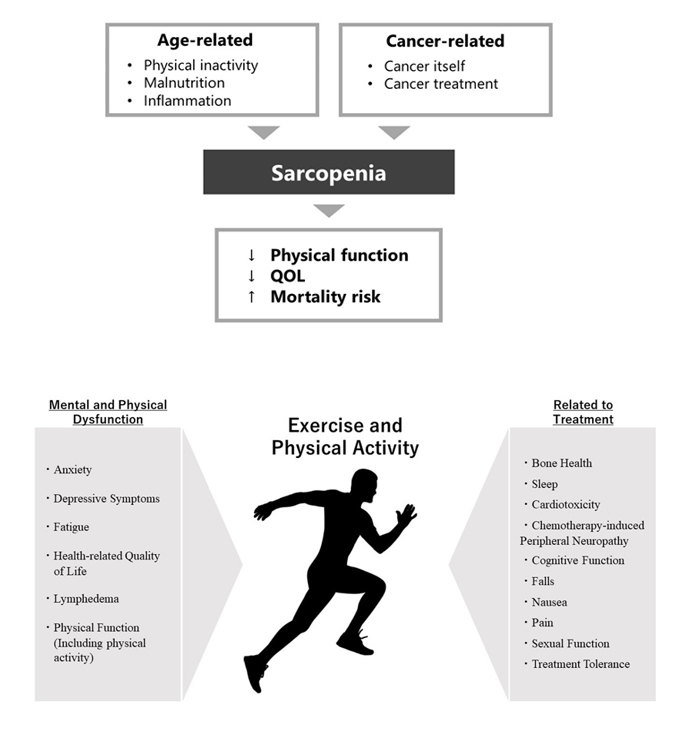
As many more cancer survivors are living longer these days compared to the past, conditions like sarcopenia have become more prevalent. The interplay issues between cancer and sarcopenia leads to even worse quality of life and health outcomes. Some individuals end up getting sarcopenic obesity as well, usually related to post-effects from the cancer treatment. Cancer survivors living with sarcopenic obesity are at a greater risk of mortality which is why lifestyle interventions like diet and exercise are beyond paramount important for them. It's also another reason why cancer support services can really help and every cancer hospital should have them available. Further investigation is important to establish effective physical rehabilitation programs, including exercise protocols tailored for survivors with different levels of sarcopenia.
pubmed.ncbi.nlm.nih.gov/3892…
#exerciseismedicine #oncology #exerciseoncology #exercise #exerciseoncology #cancerrehab #cancerrehabilitation #rehabilitation #prehab #prehabilitation #exercisephysiologist #exercisephysiology #physicaltherapy #physicaltherapist #clinicalexercisephysiologist #clinicalexercisephysiology #obesity #sarcopenia #sarcopenicobesity #cachexia #cancercachexia #diet #nutrition #malnutrition #lifestyle #prevention #treatment #cancerprevention #cancertreatment #qol #physicalfunction #mortality #anxiety #depression #fatigue #mentalhealth #frailty #physicalactivity #olderadult #cancerresearch #aging #nurse #nursepractioner #physician #oncologist #precisionmedicine #preventionscience #publichealth #health
2
5
1,063
Wow! Great study.
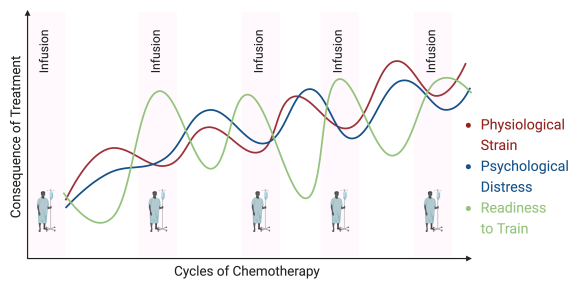
Due to the complexity of issues related to treatment for cancer survivors, resistance training needs to be tailored appropriately for this population. For instance, symptoms as it relates to treatment affects the individual at different levels. Sometimes the side-effects are mild but other days they are more robust. Depending on the level should determine how the exercise prescription should be scaled for the individual, especially resistance training. This is why autoregulation is important. As shown below, mediators such as physiological strain and psychological distress can impact readiness to change as it relates with receiving cancer treatment. Clinicians should be cognizant of these factors especially when prescribing exercise to their patients especially receiving cancer treatment. In addition, the exercise setting should play a factor as well. For instance, cancer survivors (especially undergoing treatment) should have the option to do an exercise intervention telehealth if they are having to come in-person to participate in a exercise program. Having the patient to leave their home while experiencing cancer related side-effects is a workout in its own.
Overall, this paper provides a great framework for clinicians to use when prescribing exercise to their patients living with cancer while undergoing treatment and after treatment.
pmc.ncbi.nlm.nih.gov/article…
#exerciseismedicine #exercisephysiology #cancer #cancersurvivor #training #exerciseplan #physicalfunction #cancercare #oncology #strength #cancertrials #metastasis #musclemass #autoregulation #exerciseoncology #weighttraining #metastaticcancer #cancerprevention #cancertreatment #prevention #treatment #lifestyle #screening #diagnosis #cancerrisk #obesity #exerciseprescription #incidence #recurrence #mortality #inflammation #immunesystem #cancersurvivorship #acsm #cepa #nsca #evidence #fatigue #pain #lymphadema #sarcopenia #resistancetraining #strengthtraining #mentalhealth #exercisephysiologist #muscle #clinicalexercisephysiology #clinicalexercisephysiologist #implementationscience #exerciseoncologist
1
1
5
131

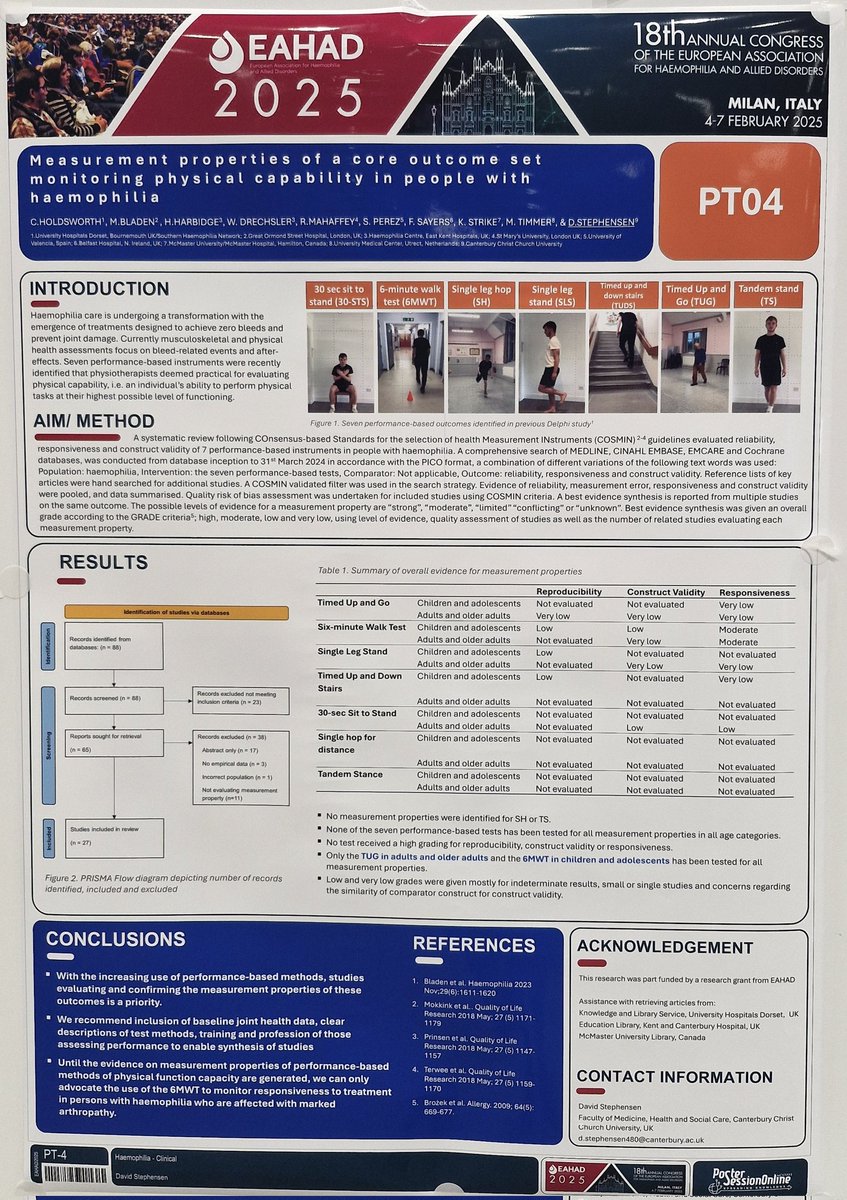
#IPOP continue the journey toward establishing core outcomes set for assessing #PhysicalFunction in #Haemophilia care.
Apart from #TUG (adults) and #6MWT (children), most performance tests have not been adequately tested for reliability, construct validity, responsiveness.
1
4
74

31 Dec 2024
Slowly research is uncovering the secrets of health.
Bulging muscle, muscle strength, and muscle power are 3 variables, all relating to muscle. It seems it's the muscle power. In old age that's lost the first
$$$$$$
Muscle Fiber Type and Muscle Power
Muscle power is primarily related to type II muscle fibers (also known as fast-twitch fibers). These fibers are specialized for quick, explosive movements and generate greater force and power per unit of time compared to type I fibers (slow-twitch fibers), which are more suited for endurance and sustained contractions.
Key Characteristics of Type II Fibers:
1. High Force Production: Type II fibers can produce rapid and forceful contractions.
2. Fast Contraction Speed: They contract faster than type I fibers, making them critical for power-based tasks like jumping or sprinting.
3. Anaerobic Energy: Type II fibers rely more on anaerobic metabolism, allowing for rapid energy production but with less endurance.
---
Why People Lose Type II Fibers with Age
1. Selective Atrophy of Type II Fibers
Age-related Sarcopenia: Aging preferentially affects type II fibers, causing them to shrink (atrophy) or even be lost entirely, while type I fibers are more preserved.
Denervation: As people age, motor neurons that innervate type II fibers die off. Without stimulation, these fibers atrophy or are reinnervated by neurons serving type I fibers, converting them to slower fibers.
2. Reduced Activity Levels
Aging individuals often reduce their engagement in high-intensity activities like sprinting or jumping, which are essential for maintaining type II fiber function.
Prolonged inactivity leads to deconditioning and loss of fast-twitch fiber recruitment.
3. Hormonal Decline
Declining levels of anabolic hormones like testosterone and growth hormone reduce muscle protein synthesis, disproportionately affecting type II fibers.
Hormonal changes also impair recovery and regeneration of muscle fibers.
4. Mitochondrial Dysfunction
Mitochondria in type II fibers are less efficient than in type I fibers. Aging exacerbates mitochondrial dysfunction, making type II fibers more susceptible to oxidative stress and damage.
5. Decreased Neuromuscular Function
Aging leads to a decline in the central and peripheral nervous systems, reducing the ability to generate rapid, powerful muscle contractions.
Impaired motor unit firing rates and coordination affect the recruitment of type II fibers during power-based movements.
---
Implications
The early loss of type II fibers significantly impacts muscle power, which is why older adults struggle with tasks requiring quick or explosive movements, such as standing up quickly or climbing stairs. This decline also contributes to a higher risk of falls and decreased physical functionality.
---
How to Counteract This Loss
High-Velocity Resistance Training: Exercises that emphasize speed and power (e.g., plyometrics or fast resistance training) can help preserve and even rebuild type II fibers.
Regular Physical Activity: Activities like sprinting, jumping, or resistance training help maintain type II fiber recruitment.
Nutritional Support: Adequate protein intake and, in some cases, supplementation with creatine or amino acids can support muscle protein synthesis.
Hormonal Therapy: In certain cases, addressing hormonal deficiencies (under medical supervision) may help mitigate muscle loss.
Focusing on type II fibers through targeted interventions can help preserve muscle power and enhance the quality of life as people age.
$$$
Title
Powerpenia Should be Considered a Biomarker of Healthy Aging
---
Authors
Sandro R. Freitas, Carlos Cruz-Montecinos, Sébastien Ratel, Ronei S. Pinto
---
Date of Publication
2024
---
DOI
10.1186/s40798-024-00689-6
---
Summary
The article proposes the term "powerpenia" to describe the loss of skeletal muscle power due to aging, physical inactivity, or disease. Unlike sarcopenia (focused on muscle mass loss) and dynapenia (focused on strength loss), powerpenia emphasizes the critical role of muscle power—a combination of force and velocity—in maintaining physical functionality, reducing fall risk, and improving quality of life. The concept highlights a gap in current diagnostic and intervention strategies, advocating for targeted approaches to address this decline effectively.
---
Main Findings
1. Skeletal Muscle Power as a Marker of Aging
Skeletal muscle power declines at a faster rate than muscle strength and mass with aging.
Power has a stronger association with fall prevention and physical functionality compared to strength.
Studies demonstrate that muscle power is a better predictor of physical performance and mortality in older adults.
2. Limitations of Existing Biomarkers
Sarcopenia: Focuses on muscle mass but ignores functional parameters like power.
Dynapenia: Encompasses strength and power but is predominantly measured using maximal strength tests (e.g., handgrip), ignoring power.
Only 0.9% of studies on dynapenia between 2008 and 2023 directly measured muscle power.
3. Powerpenia as a Proposed Concept
Powerpenia differentiates itself by focusing exclusively on skeletal muscle power.
The term is proposed to improve clarity and diagnostic accuracy in clinical and research settings.
Specific factors, such as velocity-based training, play a unique role in combating power loss, distinct from those influencing muscle strength or mass.
4. Disease and Inactivity Impact
Conditions such as type 2 diabetes, sarcopenia, and Parkinson’s disease exacerbate power loss more than strength or mass loss.
Physical inactivity is strongly linked to reductions in muscle power, indicating its importance as a sensitive marker for health status.
5. Future Implications
The authors advocate for including powerpenia in the broader framework of healthy aging biomarkers alongside sarcopenia and dynapenia.
Specific interventions, such as power-focused resistance training, show promise in reversing muscle power decline safely and effectively.
---
Recommendations
1. Conceptual Clarity
Powerpenia: Define as the specific decline in muscle power, distinguishing it from sarcopenia and dynapenia.
Dynapenia: Redefine as exclusively the loss of maximal muscle strength.
2. Training Interventions
Power training should focus on high-velocity resistance exercises, as they are more effective for improving muscle power than traditional strength training.
Task-specific exercises, like sit-to-stand and fast walking, should be emphasized for older adults to enhance functionality and prevent falls.
3. Research Directions
Develop standardized protocols to measure muscle power across age groups and clinical conditions.
Investigate powerpenia's impact on diverse populations, including children, to understand its broader implications.
Use multicentric and multicultural studies to explore powerpenia in different health contexts and its interaction with non-communicable diseases.
---
Conclusions
Powerpenia represents a critical advancement in understanding the physical decline associated with aging and disease. Its recognition as a distinct biomarker could revolutionize clinical diagnostics and interventions. By focusing on the unique attributes of muscle power, the concept aims to improve physical functionality, reduce fall risks, and enhance the overall quality of life for aging populations. The adoption of powerpenia may also drive more targeted research and pave the way for innovative therapeutic strategies.
---
Key Takeaways
Muscle power, not strength or mass, is the most critical determinant of aging-related physical decline.
Existing frameworks inadequately address the role of power in healthy aging.
Powerpenia could drive targeted interventions like high-velocity power training to improve health outcomes in older adults.
---
Hashtags
#HealthyAging #MusclePower #Powerpenia #Sarcopenia #Dynapenia #FallPrevention #AgingWell #PhysicalFunction #ResistanceTraining #AgingResearch #NeuromuscularHealth #ActiveAging #ExerciseScience #PublicHealthInnovation
31 Dec 2024

Muscle power—your ability to generate force quickly—is one of the strongest predictors of longevity, even more so than being lean. This is sometimes referred to as the 'fat but powerful' paradox.
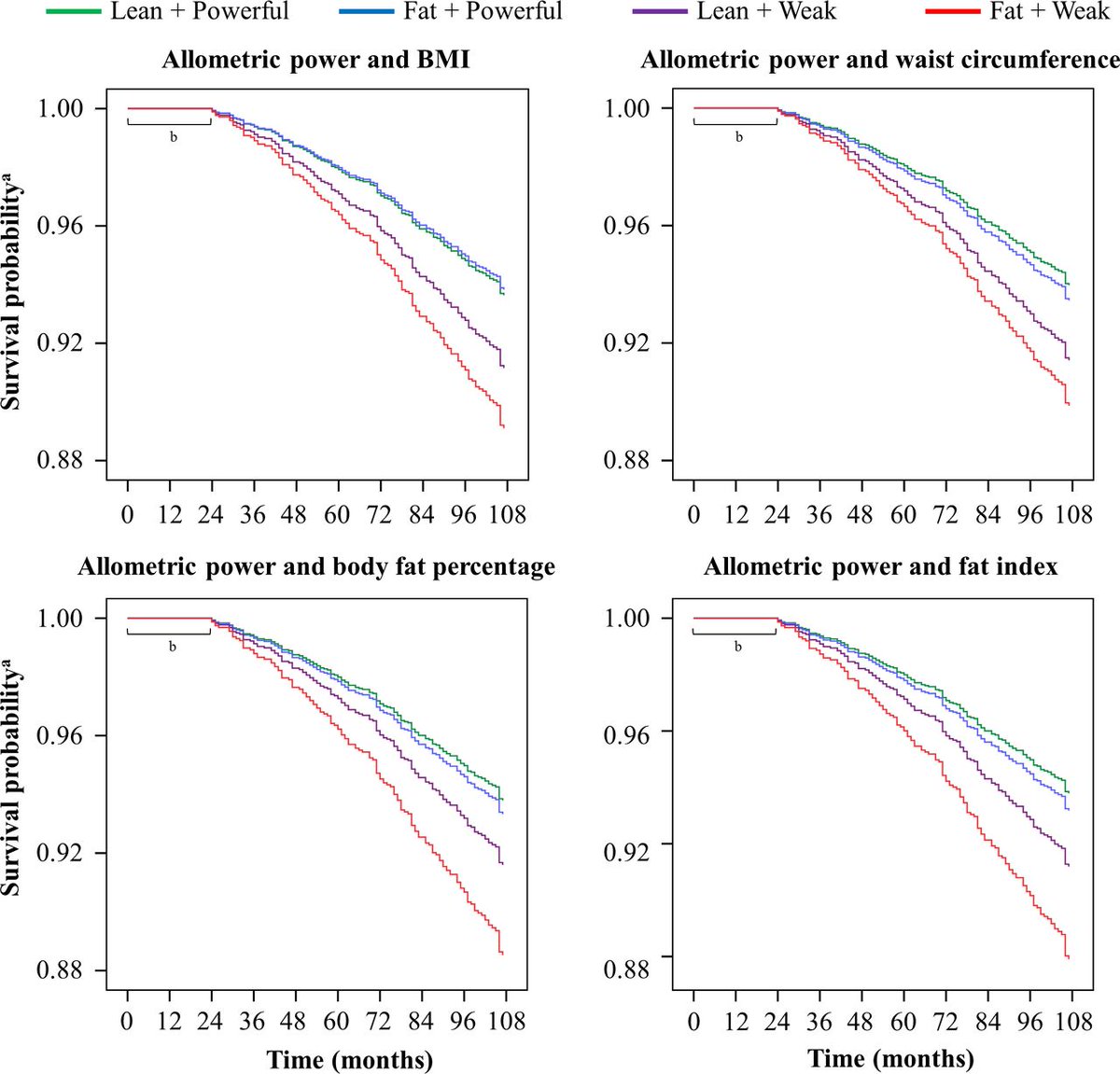
In a recent study, older adults with normal and high levels of relative muscle power had better 9-year survival than older adults with low muscle power.
Muscle power was even protective against death in older adults with high levels of body fatness measured using BMI and waist circumference.
Being fat and powerful reduced mortality just as much as being lean and powerful—by 43–45%.
Being lean and weak, however, provided no survival advantage compared to being fat and weak.
Interestingly, when body fatness was measured using body fat percentage or the fat index (body fat % normalized to height), the protective effect of muscle power was mitigated—only lean and powerful participants experienced a mortality benefit.
This highlights the continued importance of minimizing excess adiposity for long-term health, even when physical fitness is optimized.
The takeaway here isn’t to downplay the risks of obesity for longevity—maintaining a healthy weight is still critical. But fitness, particularly muscle power, deserves more attention as a key lever we can pull to improve both lifespan and healthspan. It’s one of the most actionable metrics to track and improve.
If you want to know more about muscle power for longevity and how to improve it, I’ll cover it in this week’s newsletter.
Study - PMID: 38523229
1
2
310