Julian Lum's Lab - Autophagy, cancer & immunometabolism. "If you don't fail, you aren't taking enough risks". Views are our own. Tweets by Julian-JJL
Joined February 2019
- Tweets 5,665
- Following 753
- Followers 1,182
- Likes 8,854
124 Photos and videos


Excited to share our new paper out today in @NatureMetabolism! "Hyperglycosylation is a metabolic driver of Alzheimer’s disease"
*We bridged spatial metabolomics (MALDI-MSI glycomics lipidomics isotopic pulse-chase tracing) directly to experimental biochemistry (genetic knockdown of glycan enzymes glucosamine supplementation in AD models) and real-world public health data (EHR analysis showing glucosamine use linked to faster MCI-to-AD progression and worse survival).
**Key takeaway: The AD brain shows conserved hyperglycosylation driven by ramped-up glycan biosynthesis — not just a byproduct, but a causal driver. Reducing it helps cognition; boosting it (e.g., via glucosamine) worsens outcomes.
***We applied cutting-edge spatial tech to functional validation and clinical translation.
Full open-access paper: nature.com/articles/s42255-0…
Huge thanks to the incredible team, collaborators (incl. Matt Gentry, Stefan Prokop, @ji0ngbi0n , Yi Guo, @lichenbiostat, Ralph Deberardinis & others), and the patients/families who make this work possible.
9
38
148
13,014
Lum Lab retweeted

May 20
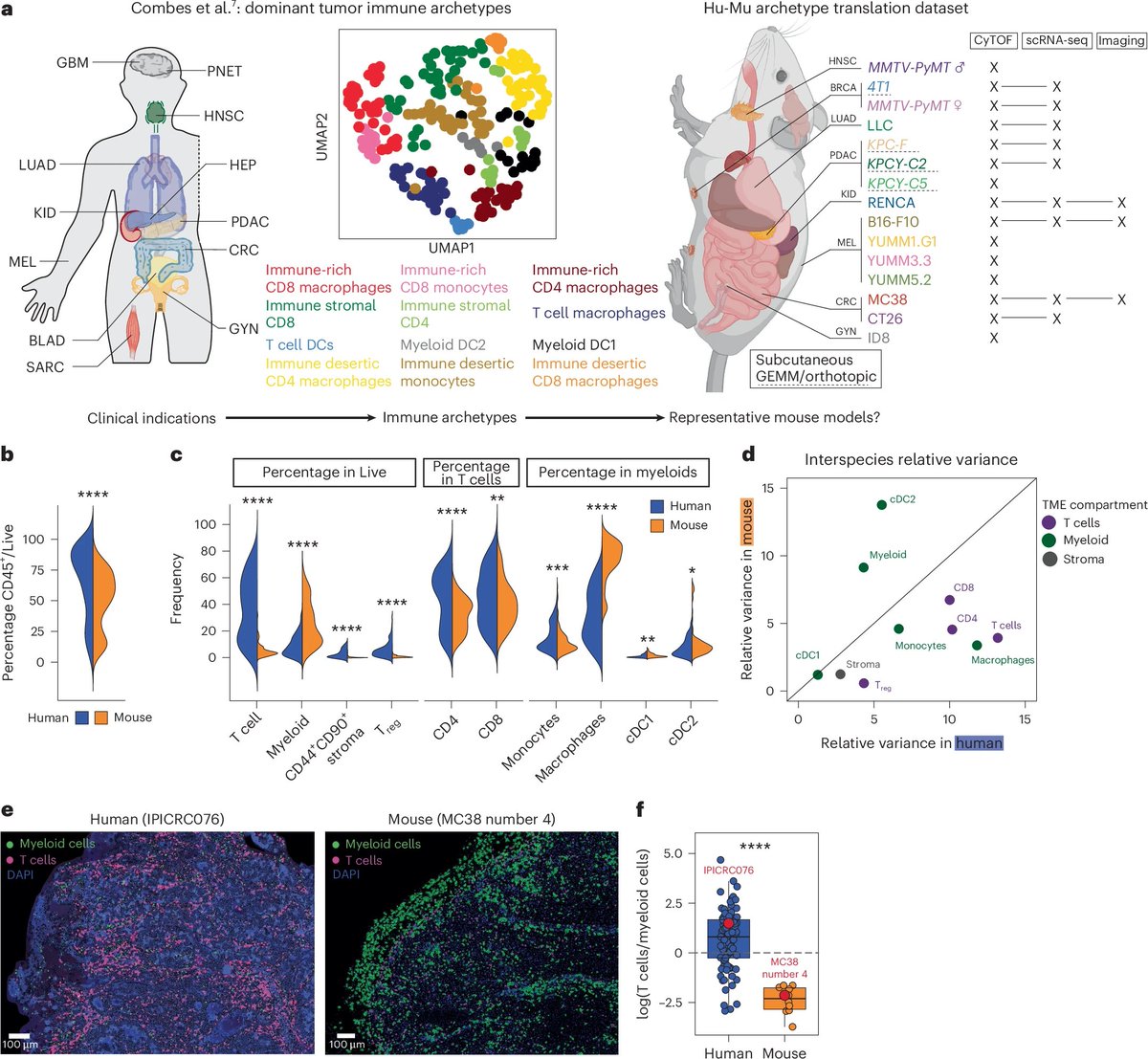
Differential assembly of mouse and human tumor microenvironments @NatImmunol @CourauTristan @MaxKrummel @UCSF
nature.com/articles/s41590-0…
1
39
141
7,544
Lum Lab retweeted

May 11
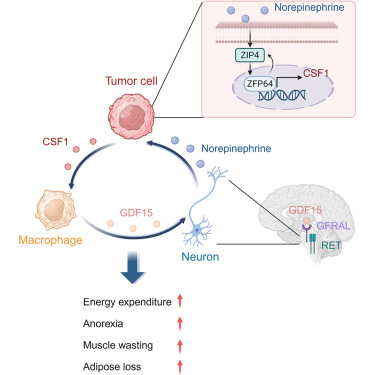
Tumor-immune-neural circuit disrupts energy homeostasis in cancer cachexia dlvr.it/TSTvJf
1
27
70
5,523
Lum Lab retweeted

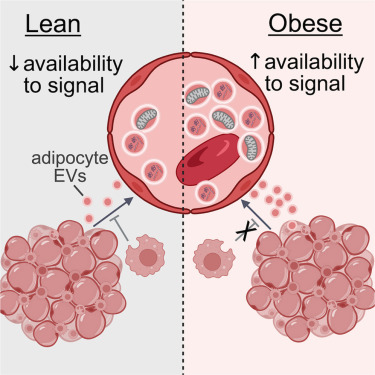
Immune cells regulate circulating adipocyte extracellular vesicle levels in response to metabolic shifts dlvr.it/TSPqjY
2
24
62
3,565
Lum Lab retweeted

May 4
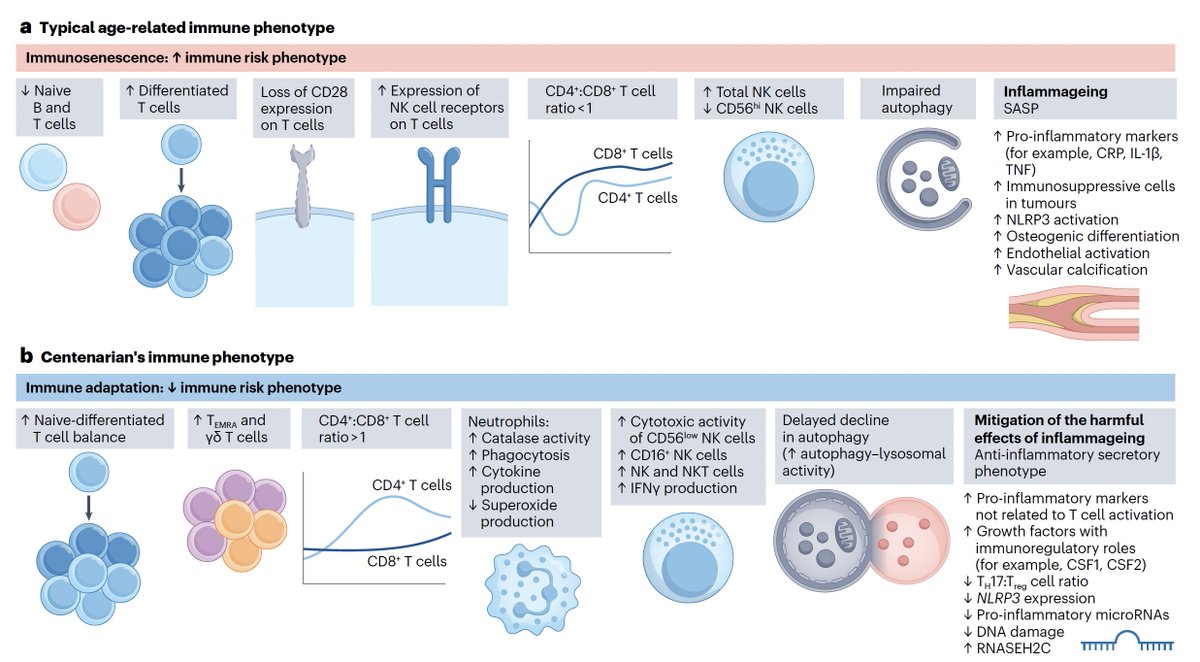
The immune system in centenarians is remarkably youthful, far less prone to inflammaging
@NatRevImmunol nature.com/articles/s41577-0…
15
155
570
52,554
Lum Lab retweeted

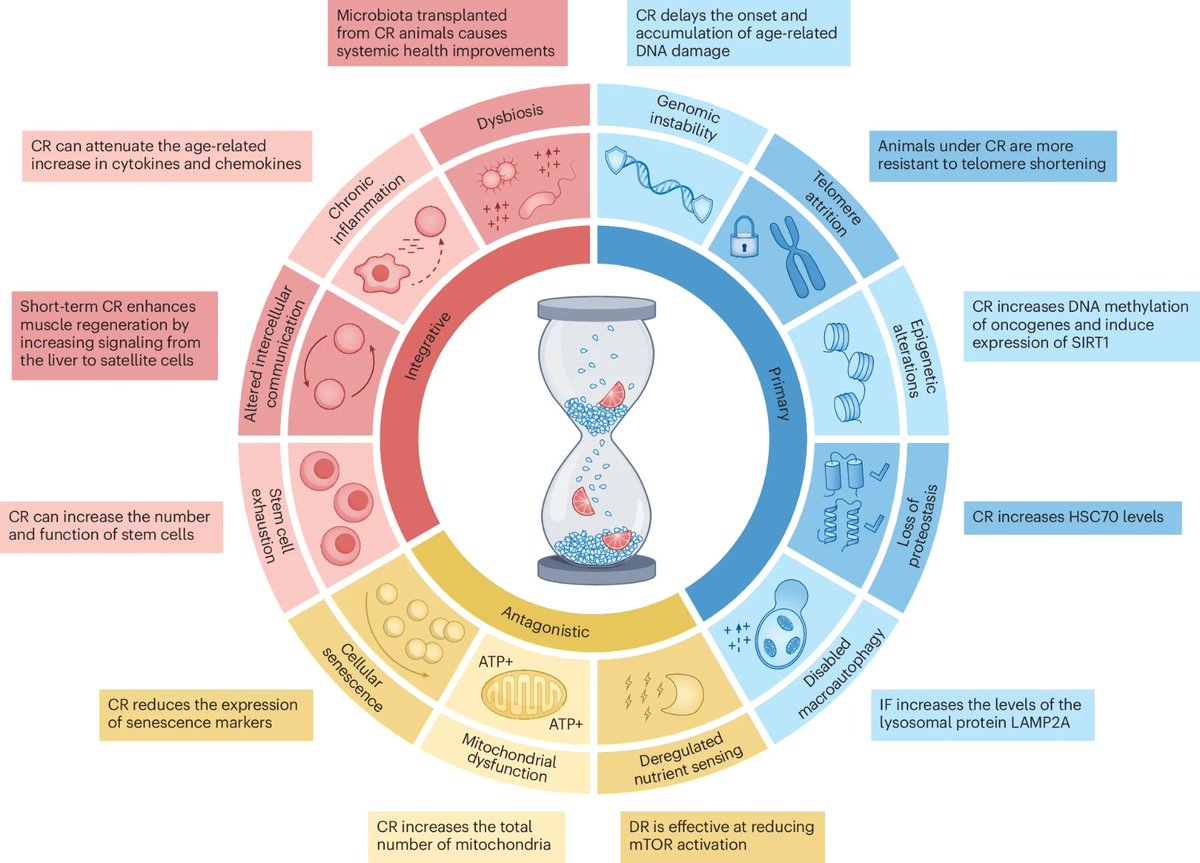
Dietary restriction in aging and longevity
nature.com/articles/s43587-0…
32
81
3,642
Lum Lab retweeted

Apr 23
I had a great time chatting with the incomparable rock&roll pianist and scientist @PatrickHwuMD of @MoffittNews! We took some time to break down immune metabolism and how nutrients can affect immunotherapy for cancer! Take a listen!
moffitt.org/about-moffitt/po…
2
4
20
1,319
Lum Lab retweeted
Apr 20
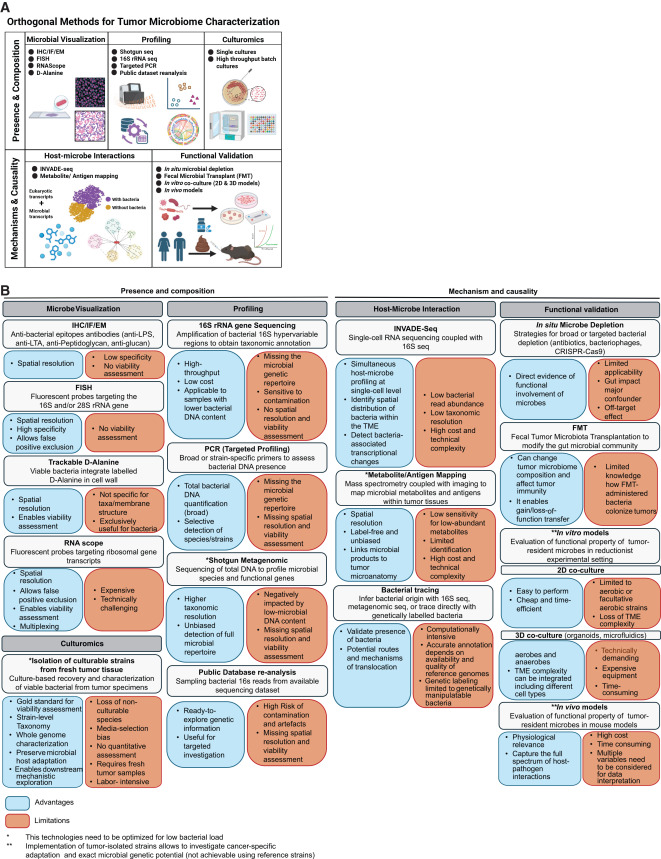
Toward a consensus on the tumor microbiota: Evidence, standards, and interpretation dlvr.it/TS7NXx
10
25
2,218
Lum Lab retweeted
Apr 20
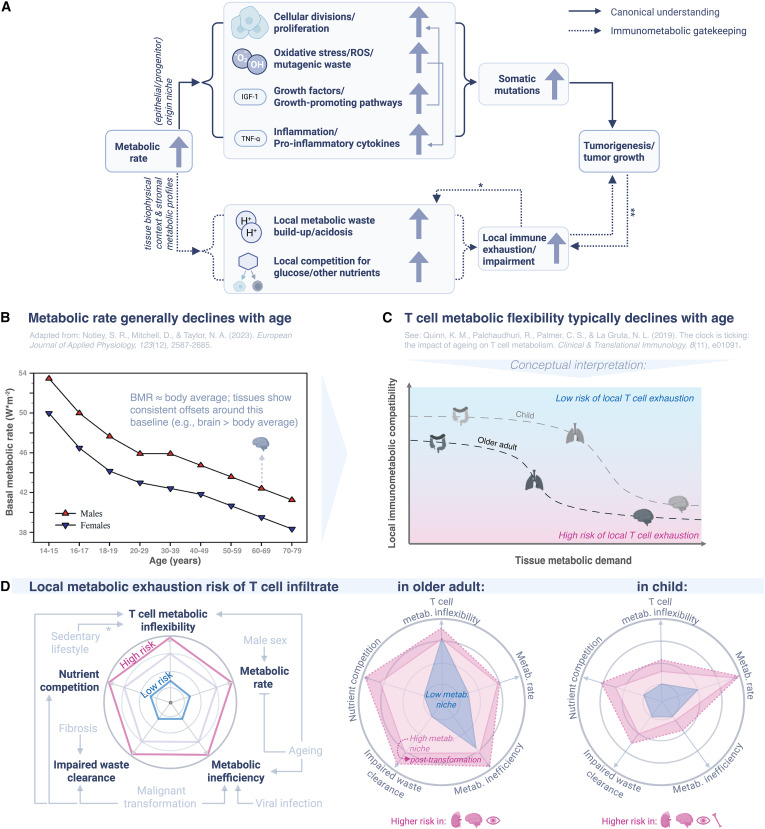
Immunometabolic gatekeeping: How tissue metabolism conditions tumor immunity dlvr.it/TS7njS
21
49
3,837
Lum Lab retweeted
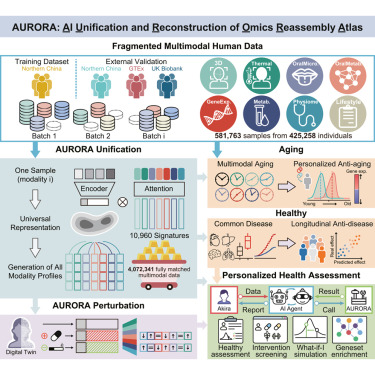
New! Online now: A generative AI framework unifies human multi-omics to model aging, metabolic health, and intervention response dlvr.it/TS8Sjx
20
48
4,781
Lum Lab retweeted

Apr 20
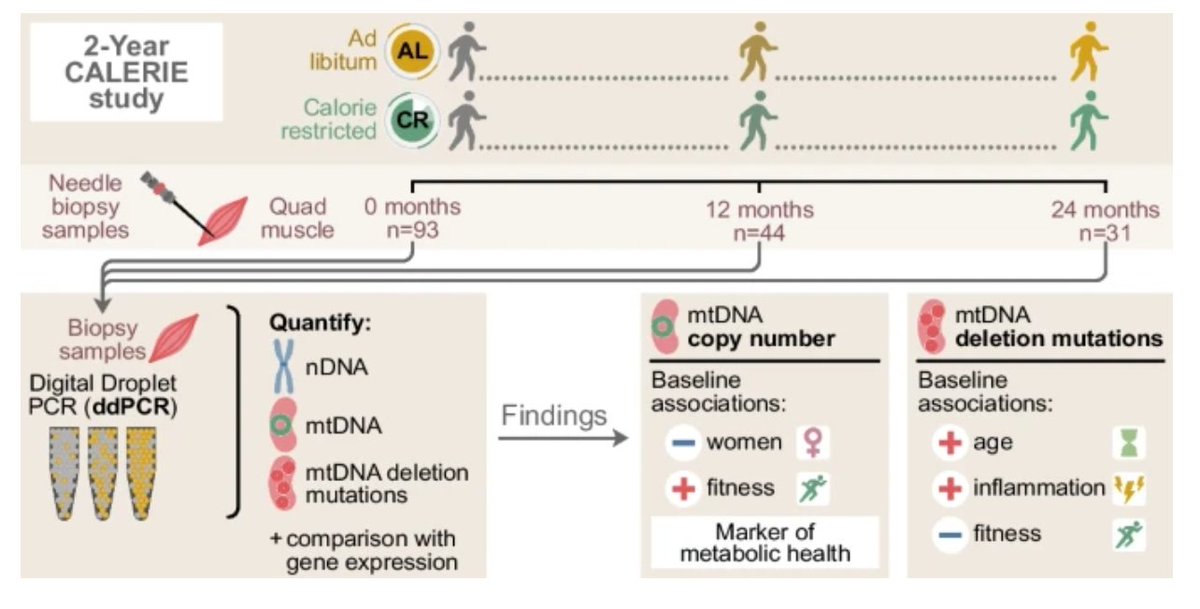
🏃♂️🧬 What does long-term calorie restriction do to muscle mitochondria?
Findings from the CALERIE trial (Das et al.) show that 2 years of calorie restriction led to changes in mitochondrial DNA and gene expression in human muscle.
🔬 Key insight:
Calorie restriction appears to remodel mitochondrial function, even without dramatic changes in quantity.
💡 Takeaway:
Dietary interventions may influence aging by tuning mitochondrial quality rather than simply increasing it.
📖 rdcu.be/ferLG
#GeroScience #AgingResearch #Mitochondria #CalorieRestriction
2
22
76
4,676
Lum Lab retweeted

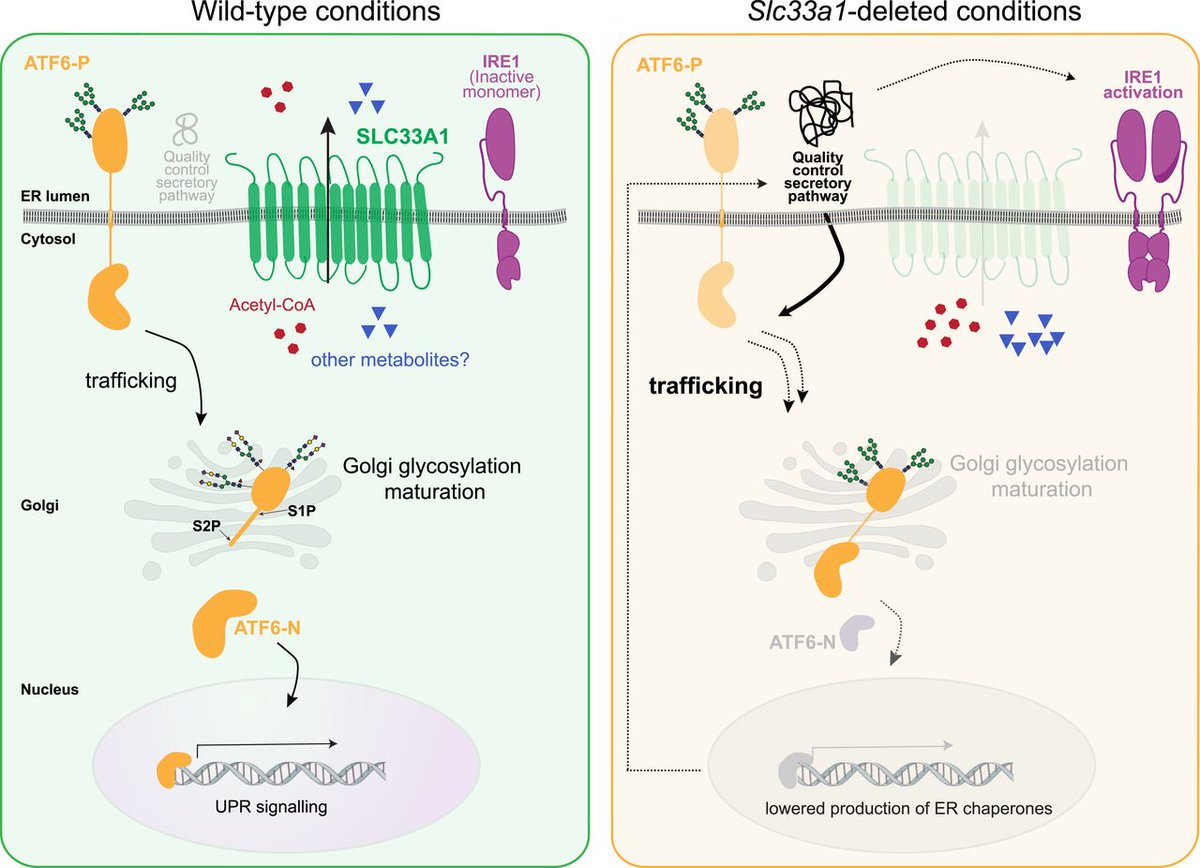
ATF6 is an ER stress sensor. SLC33A1 transports metabolites into ER. Loss of SLC33A1 impairs ATF6 activation revealing a link between ER metabolite import and protein quality control.
@ReviewCommons
life-science-alliance.org/co…
10
44
3,388

Thrilled to share our new paper: SLC33A1 is the long-sought ER GSSG exporter, maintaining redox homeostasis in the ER. Huge congratulations to my co-first author @shanshanliu1218 and my PIs @KivancBirsoy and @HiteLabMSKCC for leading this work. nature.com/articles/s41556-0… 🧵 1/9
6
30
115
12,939
Lum Lab retweeted

Apr 17
Our new work by @shanshanliu1218 and @gadmark addresses a fundamental question: how does ER maintain its unique oxidizing environment, while rest of the cell is reducing? Here, we identify SLC33A1 as the major ER GSSG exporter in mammalian cells. nature.com/articles/s41556-0…
20
64
253
23,955

A study in a mouse model of 𝘔𝘠𝘊𝘕-amplified neuroblastoma implicates polyamine levels in affecting the makeup of the proteome and biologic characteristics of the tumor.
Learn more in the Clinical Implications of Basic Research article “Altering the Diet to Rewire Cancer” by Michelle Haber, PhD, and Murray D. Norris, PhD, from Children's Cancer Institute (@KidsCancerInst) and the School of Clinical Medicine at the University of New South Wales Sydney: nejm.org/doi/full/10.1056/NE…
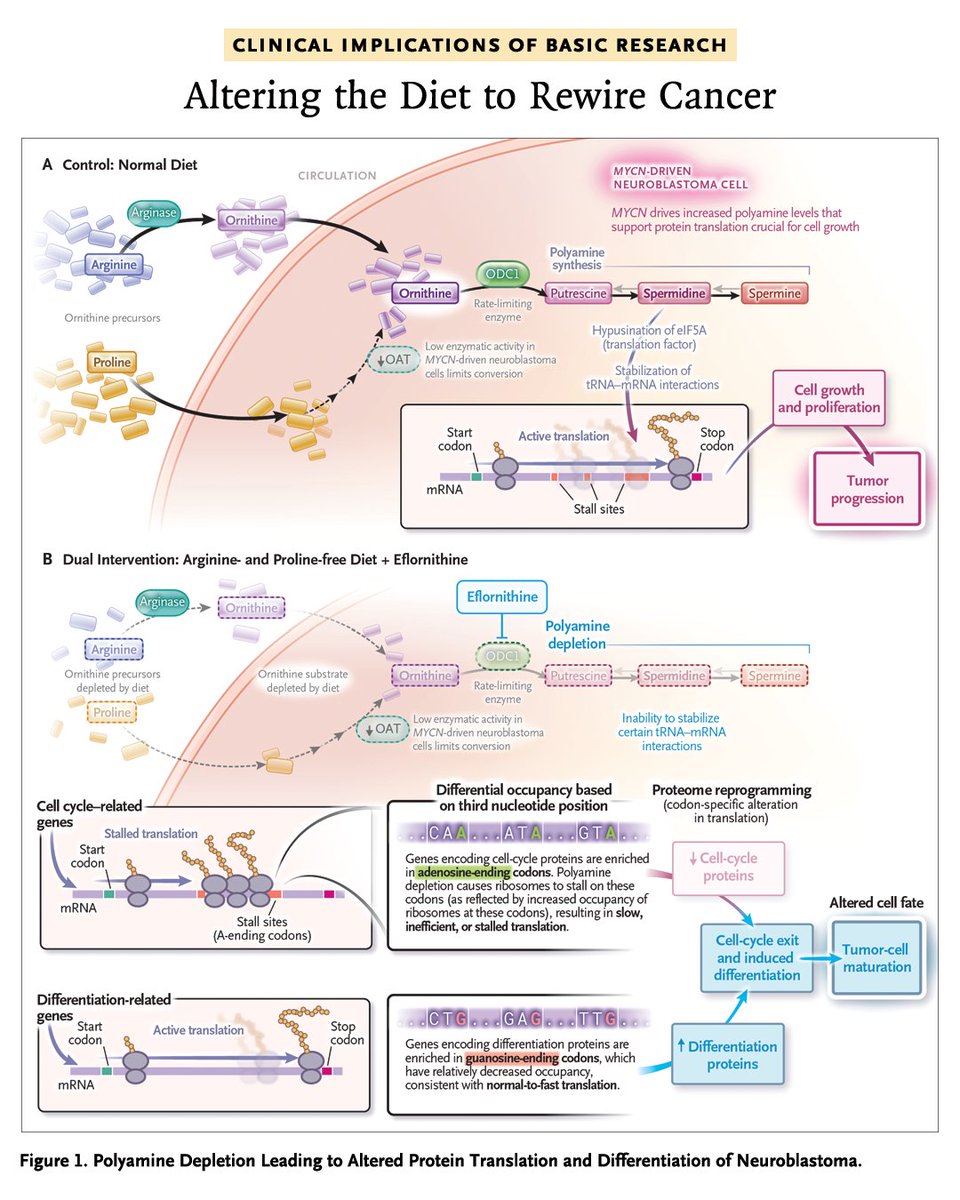
ALT Clinical Implications of Basic Research Altering the Diet to Rewire Cancer Figure 1. Polyamine Depletion Leading to Altered Protein Translation and Differentiation of Neuroblastoma.
2
42
123
14,951
Lum Lab retweeted

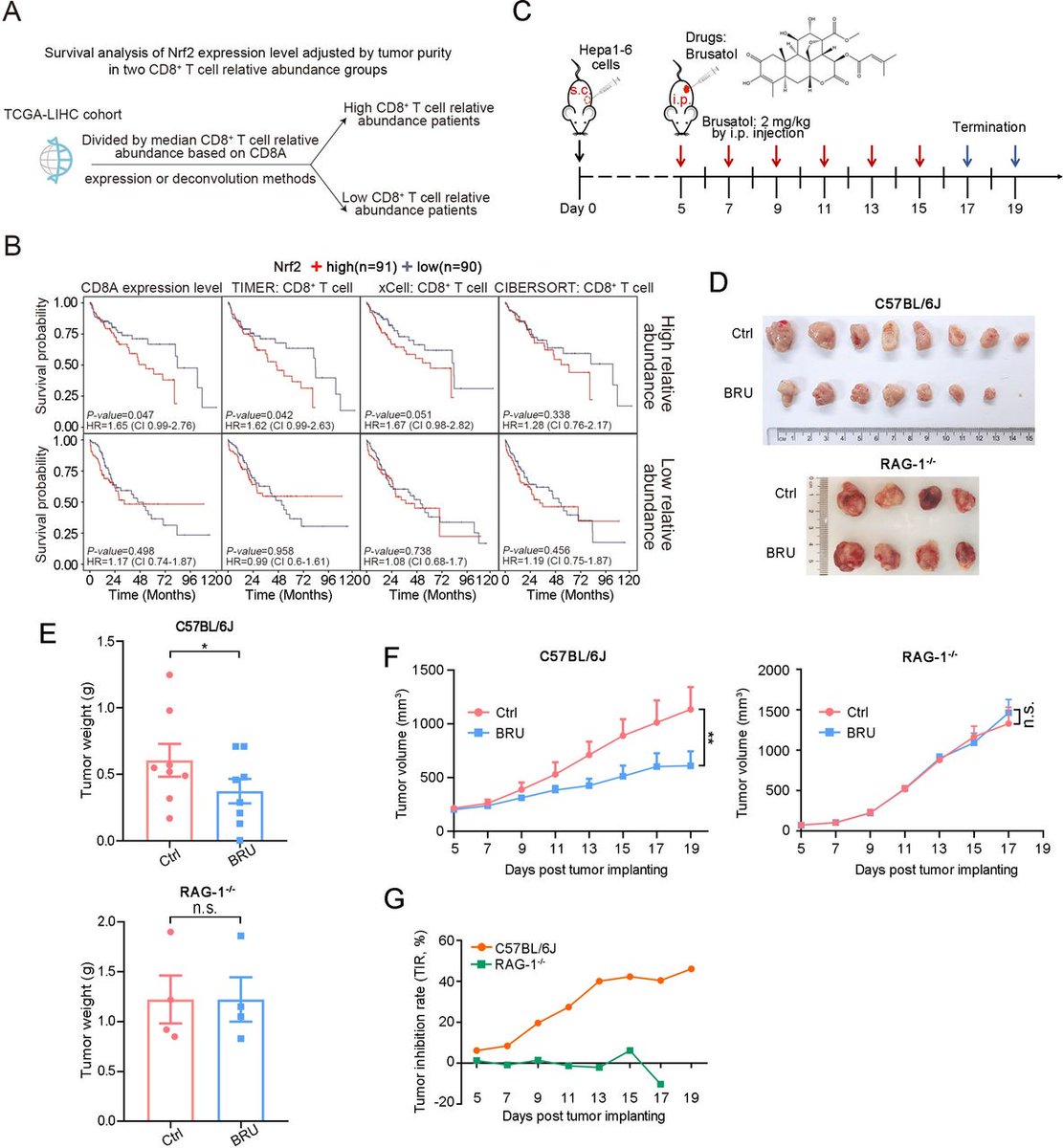
New #JITC article: "Targeted inhibition of Nrf2 potentiates antitumor immunity and enhances the efficacy of immunotherapy in hepatocellular carcinoma" jitc.bmj.com/content/14/3/e0…
5
16
737
Lum Lab retweeted

Mar 29
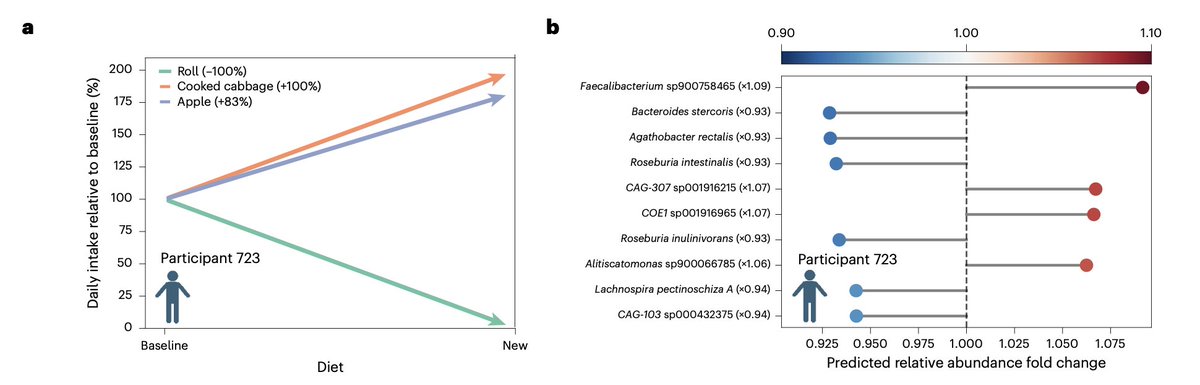
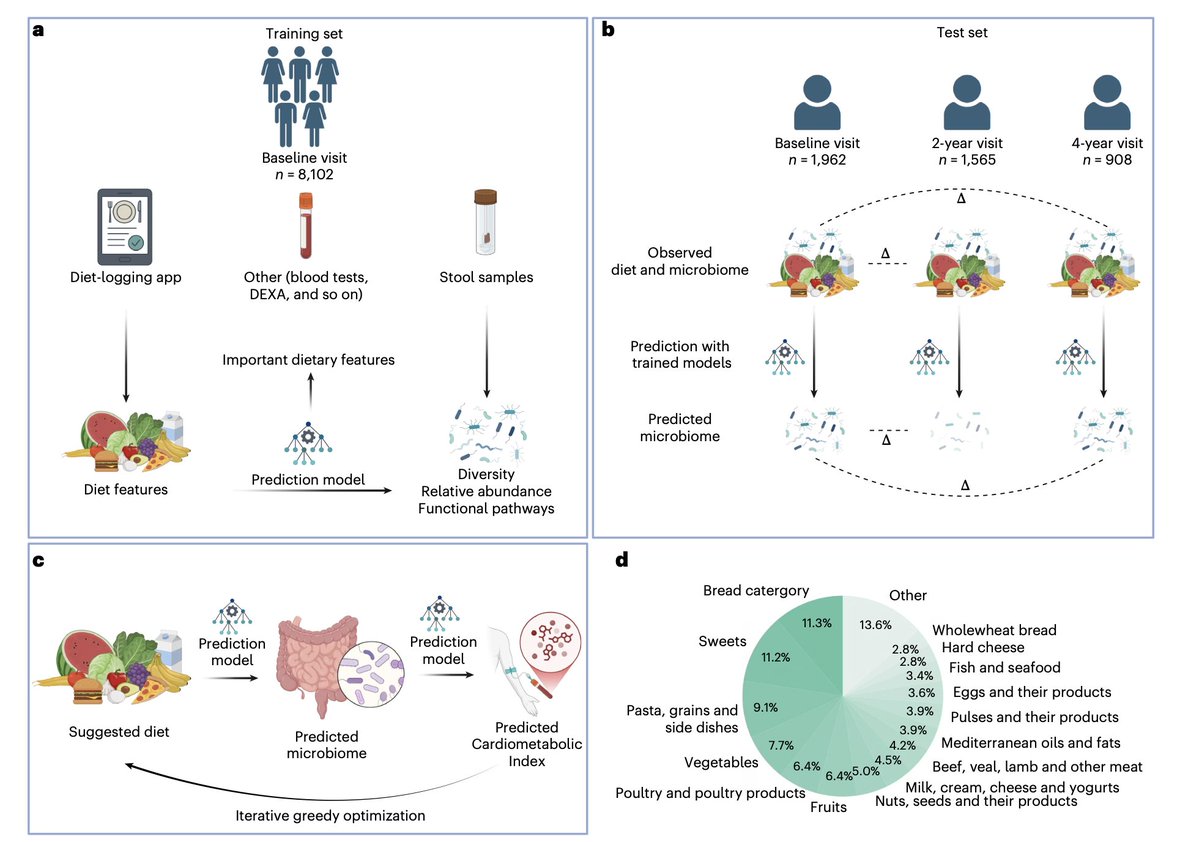
Our new study @NatureMedicine from the Human Phenotype Project: Analyzing diet and microbiome data from 10,000 people, we found that what you eat is strongly linked to which microbes live in your gut, down to specific foods like coffee, yogurt, and milk driving distinct microbial signatures. We also simulate personalized dietary interventions with predicted microbiome shift effects that are associated with improvements in cardiometabolic health
Read here: nature.com/articles/s41591-0…
HPP: humanphenotypeproject.org/ho…
10
140
658
89,273
Lum Lab retweeted

Mar 30
Methionine metabolism is linked with phospholipid and glutamine metabolism to drive ferroptosis dlvr.it/TRnMpV
2
30
102
7,578
Lum Lab retweeted

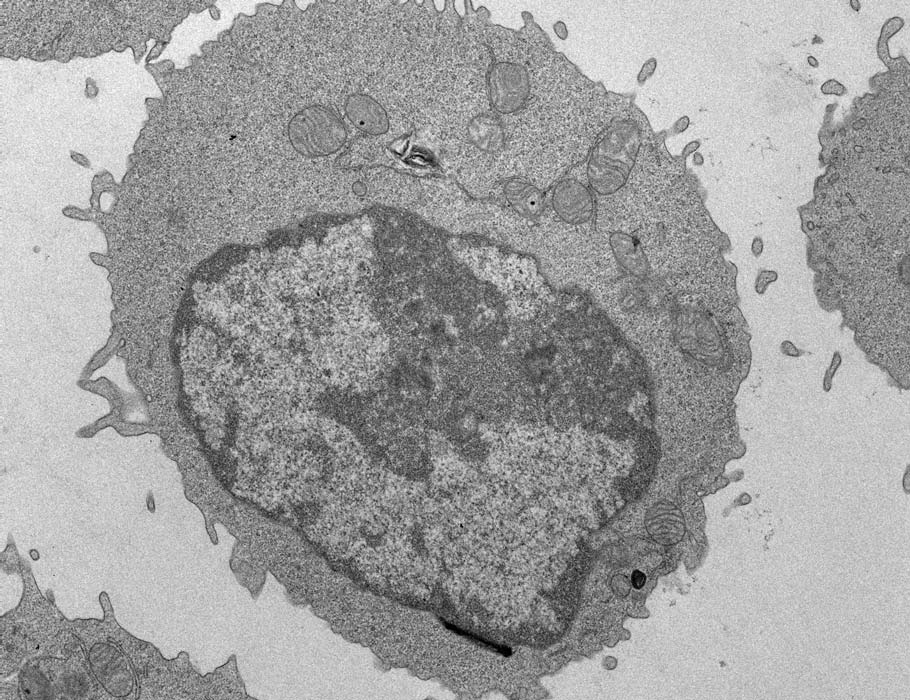
#Palmitate drives mitochondrial impairment, silences cytotoxic genes, and impairs #antitumor activity in CD8 T cells in mice.
Learn more in Science #Immunology: scim.ag/40Xedmf
1
7
33
2,501
Lum Lab retweeted
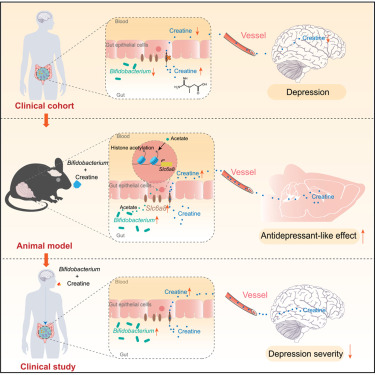
New! Online now: The gut microbiota alleviates depression by remodeling gut-brain energy metabolism dlvr.it/TRp62v
5
67
219
53,364