
ریپبلک پالیسی کی ڈاکٹر اشتیاق احمد کے ساتھ پارٹیشن آف انڈیا کے تاریخی، فکری اور نظریاتی پہلوؤں پر تفصیلی گفتگو ضرور سنیں۔ یہ پوڈکاسٹ برصغیر کی تقسیم، قیامِ پاکستان، دو قومی نظریے اور اس کے تاریخی نتائج کا تنقیدی جائزہ لیتی ہے۔ ساتھ ہی یہ ایک اہم سوال بھی اٹھاتی ہے کہ کیا 2026 میں بھی پارٹیشن آف انڈیا اور قیامِ پاکستان کو اسی تناظر میں دیکھا اور مکمل طور پر درست قرار دیا جا سکتا ہے، یا اس موضوع پر نئی تاریخی اور فکری بحث کی ضرورت ہے؟ تاریخ، سیاست، قومی شناخت اور جنوبی ایشیا کے مستقبل میں دلچسپی رکھنے والوں کے لیے یہ ایک اہم مکالمہ ہے۔
#PartitionOfIndia #Partition1947 #IndiaPakistan #PakistanStudies #SouthAsianHistory #DrIshtiaqAhmed #RepublicPolicy #HistoryMatters #HistoricalDebate #PoliticalHistory #NationBuilding #TwoNationTheory #Pakistan #India #IndPak #SouthAsia #HistoricalPerspective #PoliticalThought #PublicPolicy #Podcast #HistoryPodcast #PakistanHistory #IndianHistory #Decolonization #StateFormation #IdentityPolitics #Geopolitics #PolicyDialogue #AcademicDiscussion #SouthAsianPolitics
Video link!
youtu.be/B-S3siUkThk?si=Kv9P…
1
40

Jun 3
Telangana needs no lessons of patriotism from Pawan Kalyan: KTR yespunjab.com/?p=260798
#Telangana #KTR #PawanKalyan #BRS #JanaSena #Hyderabad #TelanganaPolitics #AndhraPradesh #IndianPolitics #StateFormation #BreakingNews #IndiaNews
75

Power cuts on State Formation Day leave residents fuming
#Telangana #StateFormation #HyderabadNews
telanganatoday.com/power-cut…
2
280

May 1
#MaharashtraDay
#Safexpress extends warm greetings on Maharashtra Day!
#Maharashtra #Progress #Growth #StateFormation

3
2
119

The third article-indiastatestory.in/post/colo… deals with the following.
Colonial census-making under the East India Company was never just about counting people—it was about producing knowledge to govern. Early enumeration efforts, surveys, and records transformed India into a “legible” society, where diverse and fluid communities were translated into fixed categories of caste, religion, and occupation. This was part of a broader project of colonial knowledge production—through censuses, gazetteers, and surveys—that enabled control by simplifying and standardizing complexity. In doing so, indigenous ways of understanding society were sidelined, while European frameworks of classification took precedence. Over time, these administrative categories hardened into social realities, shaping identities, hierarchies, and politics in lasting ways. The census thus emerged not as a neutral statistical exercise, but as a powerful instrument of statecraft—where knowledge and power became deeply intertwined.#ColonialIndia #EastIndiaCompany #CensusOfIndia #KnowledgeAndPower #StateFormation #DataPolitics #ColonialLegacy #IndianHistory #Sociology #PublicPolicy

The third article is an exploration of the history of colonial knowledge production, which eventually led to the first census in 1872. It gives an overview of how East India Company used surveys to make India intelligible.
indiastatestory.in/post/colo…
2
160

Today marks a historic and unforgettable milestone, as the Telangana Bill was passed in the Rajya Sabha,fulfilling the long-cherished aspirations of millions of people.
Respecting the will and emotional aspirations of the people, the Indian National Congress, under the visionary and selfless leadership of Smt. Sonia Gandhi, made the courageous decision to create Telangana, even at the cost of political power.
This stands as a timeless testament to Congress’ sacrifice, commitment, and unwavering dedication to justice and democratic values.
@SoniaGandhi_FC @RahulGandhi @INCIndia
@priyankagandhi @kharge @kcvenugopalmp @OffDSB @DamodarCilarapu @harkararao @kiran_chamala @IYC @LambaAlka @Jairam_Ramesh @MahilaCongress @KomatireddyKVR @TelanganaCMO @uttampadmavathi @TelanganaPMC @MNatarajanINC @Bhatti_Mallu @Pawankhera @Bmaheshgoud6666 @Ponnam_INC @INC_Ponguleti @rajgopalreddy_K @UttamINC @BRSparty @BJP4India @narendramodi @INCTelangana @BRSParty_News @BJP4Delhi @JPNadda @Bmaheshgoud6666
.
.
.
.
.
.
.
#TelanganaFormation
#SoniaGandhi
#CongressGaveTelangana
#TelanganaPride
#CongressSacrifice
#HistoricDecision
#JaiTelangana
#CongressForTelangana
#TelanganaHistory
#LeadershipWithIntegrity
#PeopleFirstPolitics
#CongressLegacy
#RajyaSabha
#TelanganaBill
#IndianNationalCongress
#UPA
#TelanganaStatehood
#DemocraticValues
#JusticeForTelangana
#PeoplesMandate
#PoliticalCourage
#SacrificeForPeople
#TelanganaMovement
#StateFormation
#CongressLeadership
#IndiaPolitics
#TelanganaCelebration
3
106

Feb 17
Telangana ❤️🔥
The bill was passed on 18th February 2014... 12 years, but the pride is still alive.
#Telangana #TelanganaFormation
#TelanganaBill #StateFormation #TelanganaHistory #Hyderabad
3
22
101
2,747

Feb 10
21 years working in 21 #African countries, has taught me that the #state is the framework through which to effectively break cycles of #violence and #conflict and co-create viable states with strategic autonomy and a life of #dignity for every #citizen. Central to this, is state formation. This has largely informed my career path from traditional #Peacebuilding and #Development to strategic engagement in #statebuilding and #advisory work with #governments.
This article clearly articulates the impact of late state formation on #African states and their capacity to deliver public goods. It proposes some excellent and practical ideas for addressing the same.
“Presidents rarely fail because they lack vision or intelligence. They falter because they misread the political system they inherit. They overestimate what the office can command and underestimate the machinery required to execute.
Authority is assumed to be power. In practice, authority is only potential until it is converted into a functioning political system.
From that vantage point, Africa’s pattern looks less like a mystery and more like a problem of state structure.”
#Africa #StateFormation #Statebuilding #StrategicAutonomy #BreakCyclesOfViolenceAndConflict
Feb 10

The danger of powerful presidencies atop weak African states - The EastAfrican👇🏾 theeastafrican.co.ke/tea/opi…
2
4
834

Jan 19
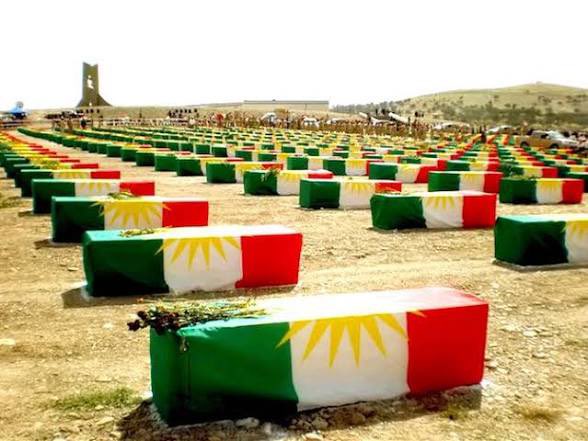
The Kurdish Case in the Middle East;
States do not historically emerge as fully formed entities overnight. Modern political theory conceptualizes state formation not as a sudden moment of “Declaration,” but as a prolonged and incremental process. This process typically unfolds through successive and interrelated stages, including de facto territorial control, recognition of identity, the granting of special status, constitutional incorporation, and ultimately international recognition.
In the Middle East, the Kurdish freedom movement represents one of the most concrete and contemporary examples of this gradual process of state formation.
In Iraq, the decisive turning point came with the adoption of the 2005 Constitution following the collapse of the Saddam regime. Through this constitution, the Kurds obtained constitutional autonomy under the Kurdistan Regional Government, becoming one of the founding components of the Iraqi federal system with their own parliament, government, and security forces. This stage corresponds to what the state formation literature defines as “Constitutional recognition,” a phase that is widely regarded as exceptionally difficult to reverse.
The trajectory followed in Syria differs from the Iraqi model, yet it occupies the immediately preceding stage within the same linear process. In recent developments, the Syrian state’s formal recognition of Kurdish identity, language, and citizenship rights effectively amounts to the acknowledgment of a special administrative status for Kurdish inhabited regions. Although this arrangement does not establish a federal structure or explicit constitutional autonomy, the central state’s legal recognition of Kurdish existence signals a transition into the phase of “Special status and integration.” This threshold is politically critical and highly significant, indicating a move toward institutionalization within the broader state-formation process.
Within this context, Iran and Turkey, often cited as the next potential stages of this trajectory, remain at comparatively earlier phases. In both countries, the Kurdish question continues to be addressed primarily through security oriented and centralist policies, while recognition and institutionalization are systematically postponed. Nevertheless, the Iraqi and Syrian cases generate a powerful regional precedent. Historical experience demonstrates that repression does not eliminate such processes; it merely delays them. Recognition, by contrast, does not halt the process but actively shapes its direction.
In conclusion, state formation is not an event but a structural transformation unfolding over time. The Kurdish question in the Middle East clearly illustrates that this transformation advances step by step, and that each act of recognition renders the subsequent stage increasingly inevitable.
Declaration, therefore, is not the beginning of the process, but merely its final act…
Best Regards…
Murat Baran USAL, LL.B.
#Geopolitics #MiddleEast #InternationalRelations #GlobalPolitics #WorldPolitics #SecurityStudies #PoliticalAnalysis #StateFormation #NationBuilding #SelfDetermination #Federalism #Autonomy #ConstitutionalLaw #PoliticalTheory #KurdishQuestion #KurdishRights #Kurds #Kurdistan #Rojava #KRG #MiddleEastPolitics #Iraq #Syria #PostConflict #RegionalStability #ConflictResolution #PowerShifts #NewMiddleEast #PolicyAnalysis #StrategicStudies #ForeignPolicy #SecurityPolicy #ThinkTank #AcademicWriting #BreakingAnalysis #LongRead #Thread #ExpertOpinion #GlobalAffairs
3
13
1,956

21 Dec 2025
"अस्थायी राजधानी, स्थायी असमंजस"....!!
जिस समय हम राज्य बने हमको जन्म के समय ही विकलांगता दे दी गई। अरे भैया राजधानी का निर्णय कर देते न, यदि इनको देहरादून ही करना था तो उसमें अस्थाई शब्द क्यों जोड़ दिया?
अस्थाई शब्द में जो है संभावनाओं को पैदा कर दिया, आकांक्षाओं को पैदा कर दिया, कुछ लोगों ने कहा गैरसैंण, किसी ने कुछ कहा तो एक संतुलन पहले से ही है।
दूसरा जो है जो पहले मुख्यमंत्री बने, भाजपा को अवसर मिला तो भाजपा ने जिस व्यक्ति ने गाड़-गधेरे व उत्तराखंड नाप करके भाजपा को संयोजित करने का काम किया, वह व्यक्ति पीछे रह गया और जो बढ़िया चमकीला लगा वह मुख्यमंत्री बन गया तो यह प्रारंभ से ही राजनीतिक निर्णय और हमारे पैदाइशी निर्णय में भी राज्य के क्या होने चाहिए उसमें आपने जटिलताएं पैदा कर दी........!!
#Uttarakhand #StateFormation #CapitalIssue #TemporaryCapital #Gairsain #PoliticalDecisions #LeadershipCrisis #PublicAspirations
1
10
286

17 Dec 2025
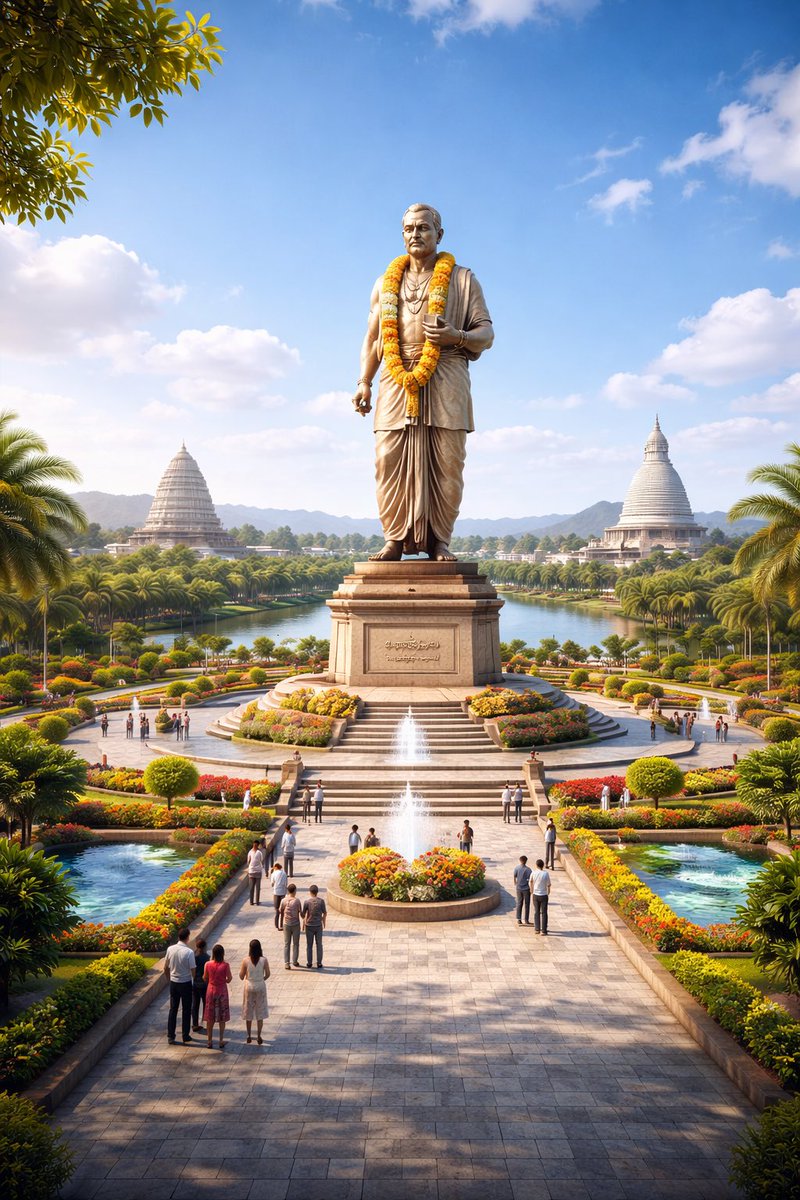
A 58-ft statue of Potti Sriramulu along with a grand memorial park will come up in Amaravati, announced by CM N. Chandrababu Naidu.
This is not just a statue, it’s a reminder of sacrifice that built a state. 🕊️🔥
#PottiSriramulu #Amaravati #AndhraPradesh #StateFormation (AI Gen Image)
10
109
1,790

15 Dec 2025
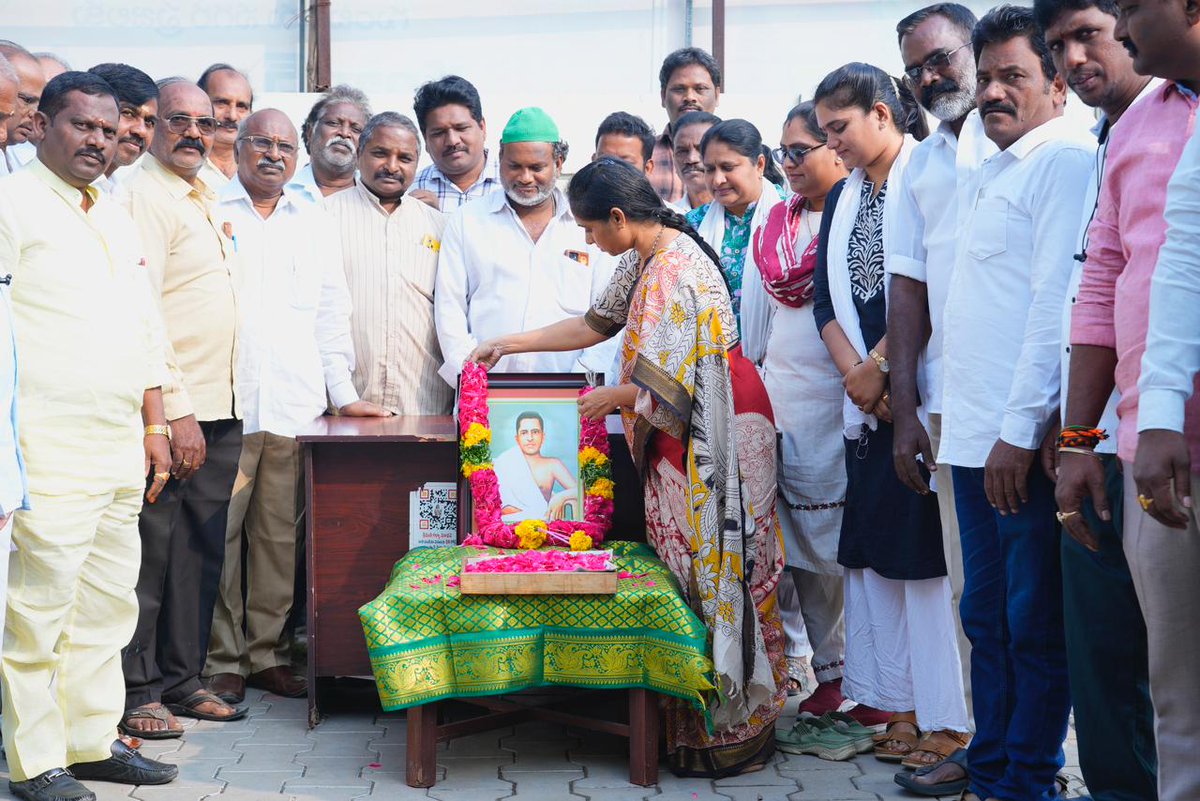
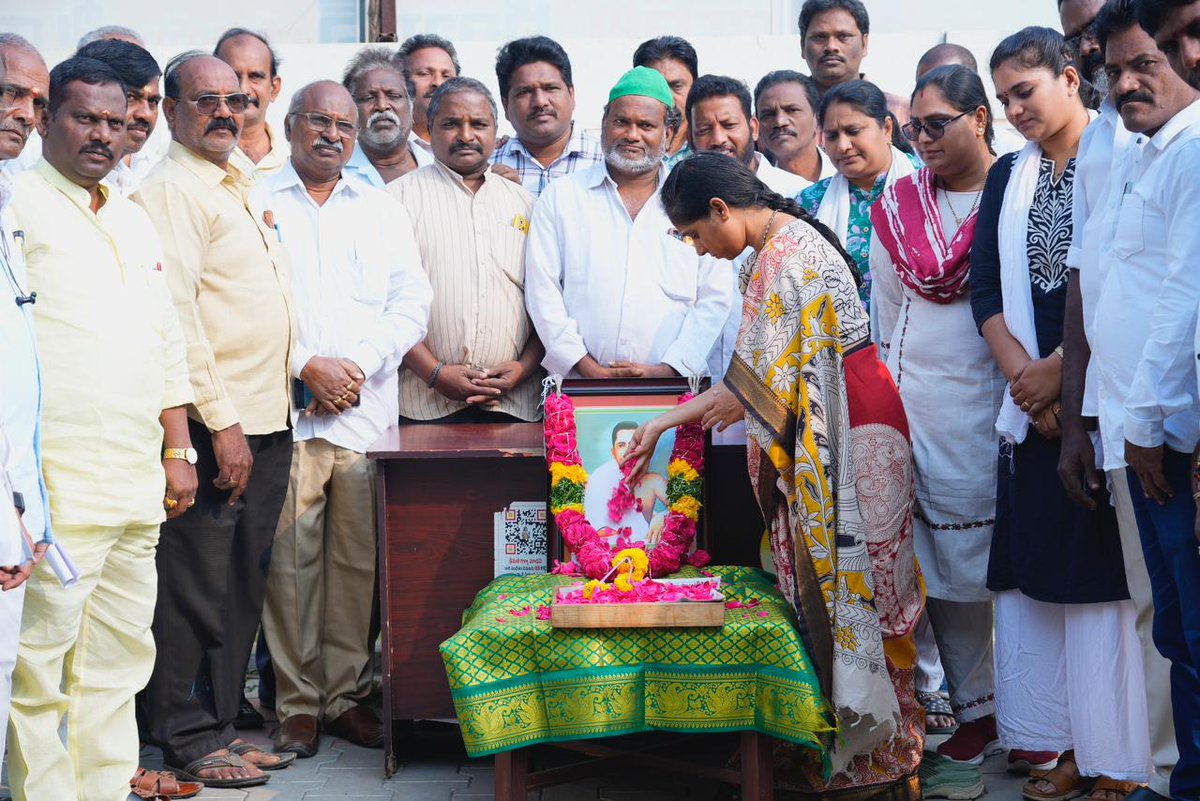
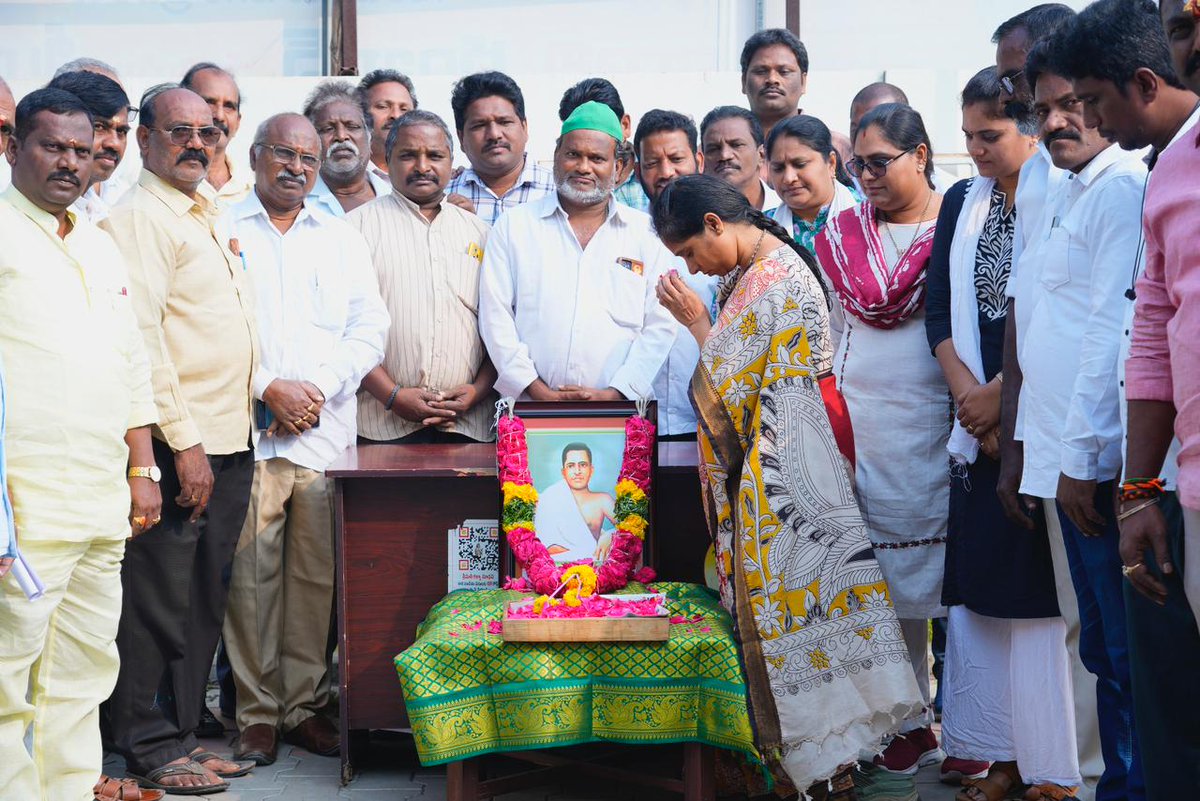
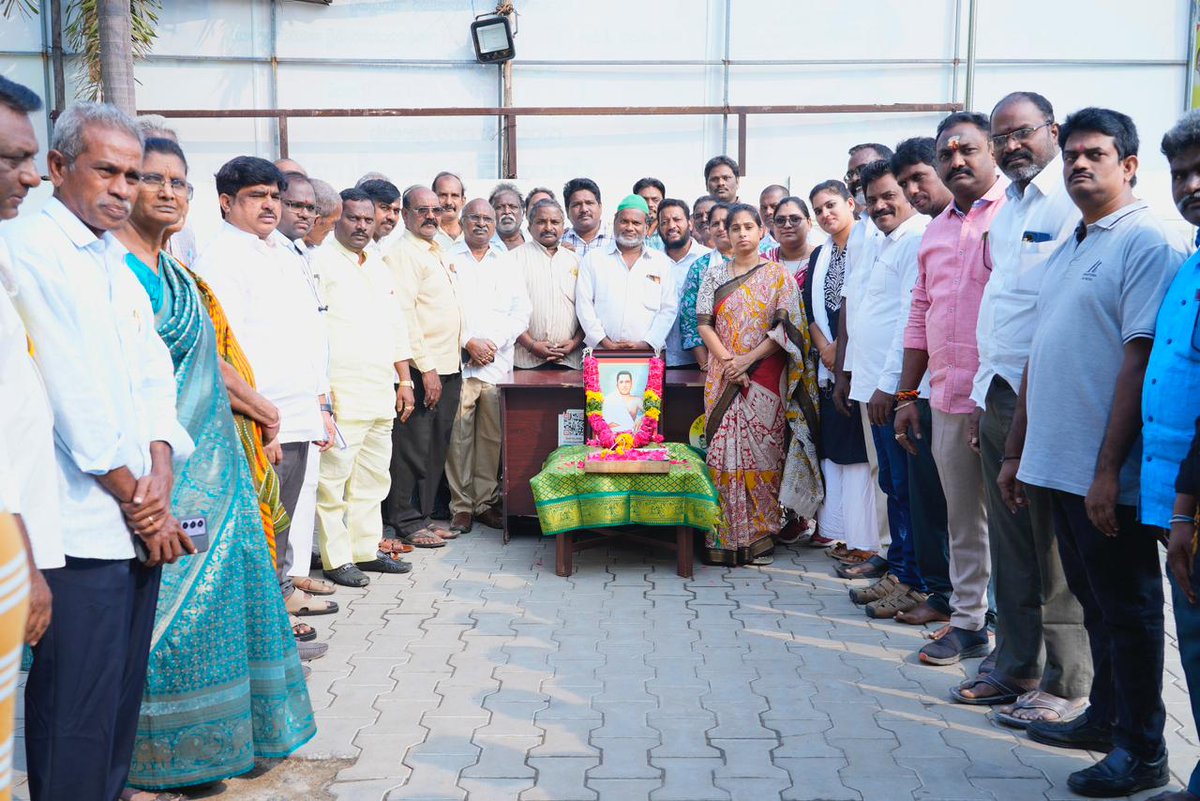
అమరజీవి పొట్టి శ్రీరాములు గారి వర్ధంతిని పురస్కరించుకొని, సోమవారం గుంటూరు పశ్చిమ నియోజకవర్గ టీడీపీ కార్యాలయంలో పార్టీ నాయకులు, కార్యకర్తలతో కలిసి ఆయన చిత్రపటానికి పూలమాలలు వేసి ఘనంగా నివాళులర్పించాను.
భాషాప్రయుక్త రాష్ట్రం కోసం 54 రోజుల పాటు ఆమరణ నిరాహార దీక్ష చేసి, ఆంధ్ర రాష్ట్ర ఆవిర్భావానికి తన ప్రాణాలను అర్పించిన మహనీయుడు అమరజీవి పొట్టి శ్రీరాములు గారు. ఆయన త్యాగం తెలుగు జాతి చరిత్రలో చిరస్థాయిగా నిలిచిపోయింది.
ఈ రోజు మనం గర్వంగా “మేము ఆంధ్రులం, మేము తెలుగువాళ్లం” అని చెప్పుకునే అవకాశం కలగడం ఆయన చేసిన మహోన్నత త్యాగానికి నిదర్శనం. ప్రపంచవ్యాప్తంగా ఎక్కడ ఉన్నా తెలుగువారి ఖ్యాతి, గౌరవం పెరుగుతుందంటే దానికి మూలకారణం పొట్టి శ్రీరాములు గారి అపూర్వ త్యాగమే.
స్వార్థపూరిత రాజకీయాలు పెరిగిపోతున్న ఈ రోజుల్లో, స్వలాభం కోసం కాకుండా రాష్ట్ర ఆవిర్భావం కోసం తన జీవితాన్నే అర్పించిన పొట్టి శ్రీరాములు వంటి మహనీయులు సమాజానికి ఎంతో అవసరం. ఆయన జీవితం, త్యాగాన్ని భావితరాలకు తెలియజేయడం మనందరి బాధ్యత అని తెలిపాను
#GallaMadhavi #GunturWest #GunturWestMLA #PottiSriramulu #Amarajeevi #Martyr #AndhraState #AndhraPradesh #TeluguPride #TeluguHistory #StateFormation #FreedomFighter #Tribute #TDP #TeluguDesamParty
8
77

15 Dec 2025
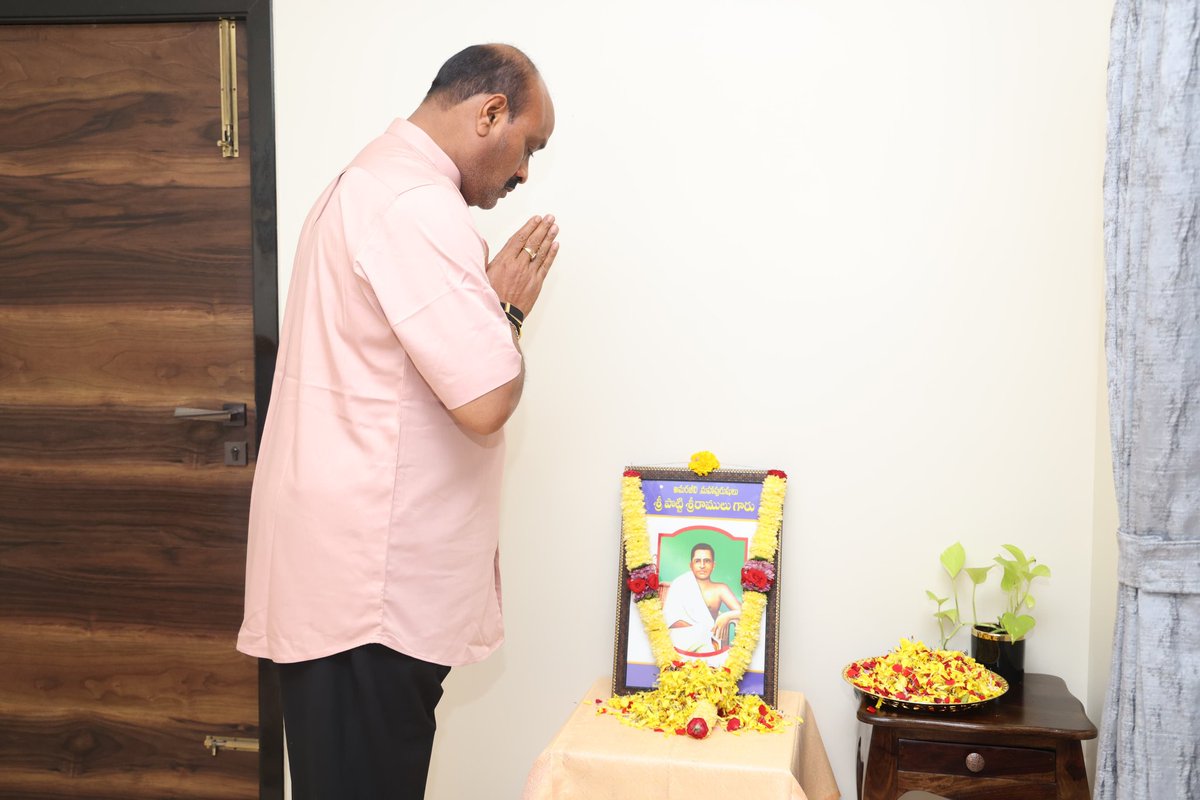
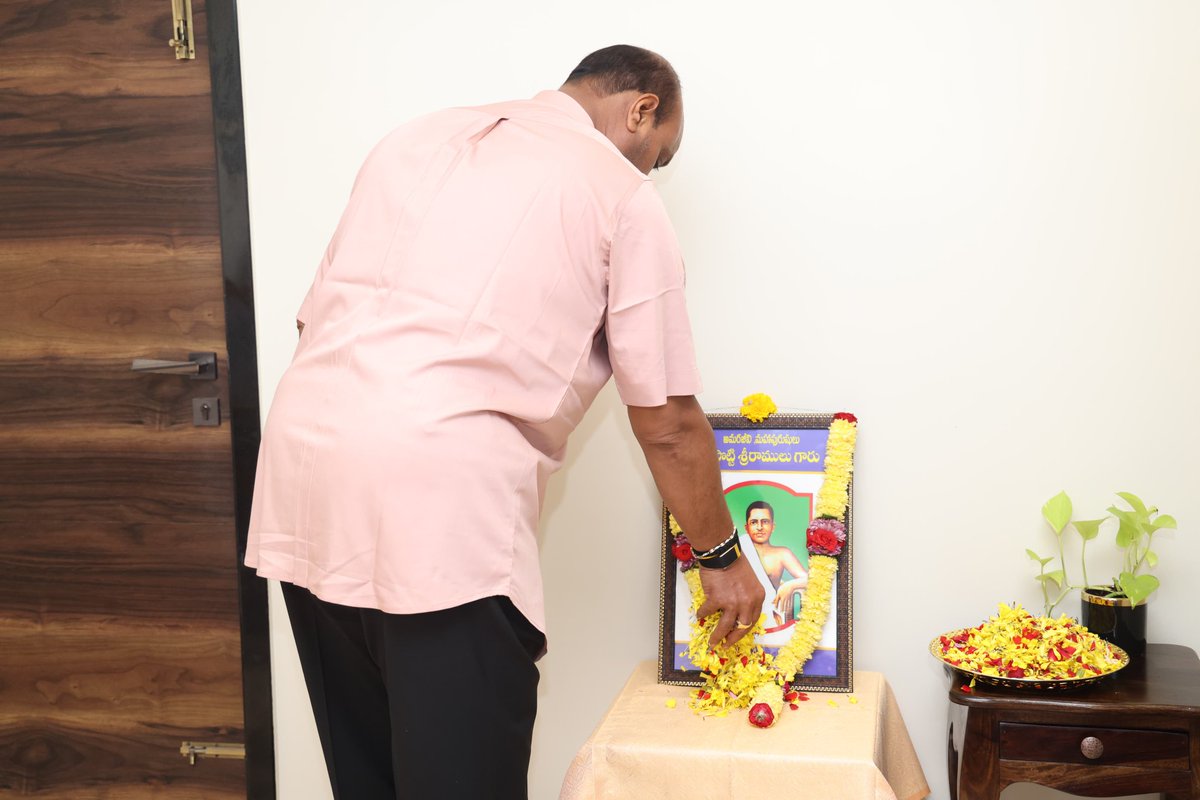
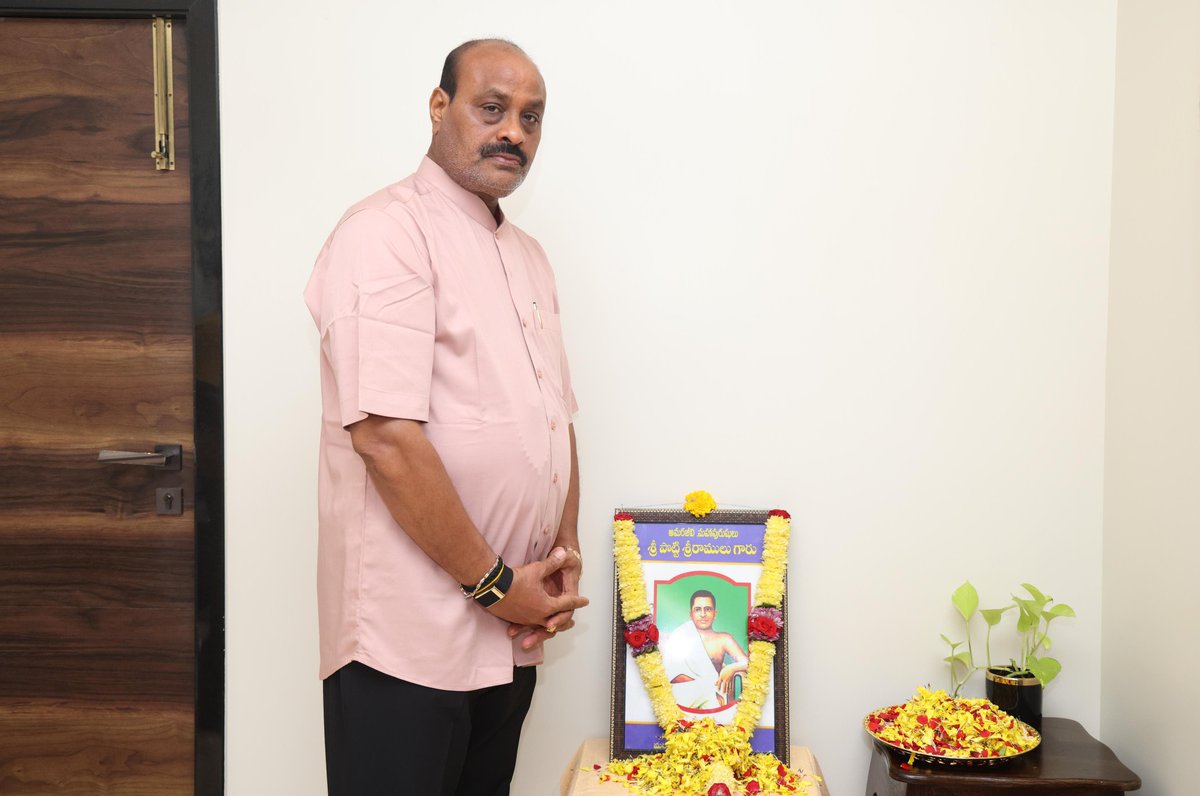
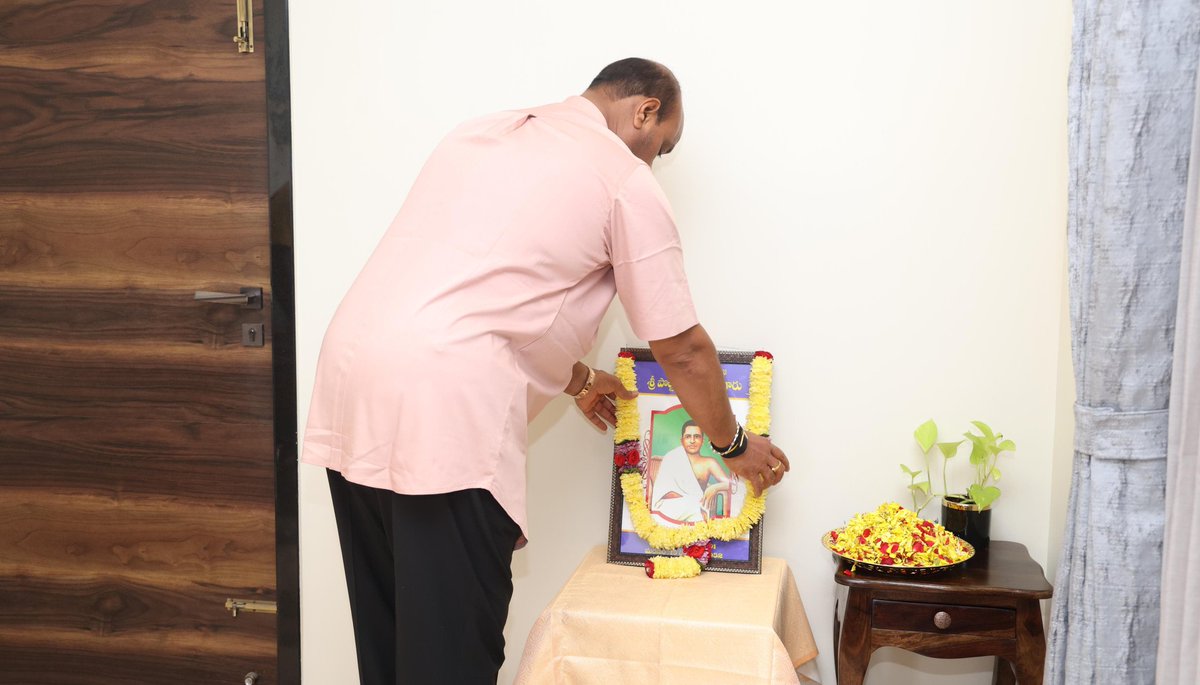
ఈ రోజు, అమరజీవి పొట్టి శ్రీరాములు గారి వర్ధంతి సందర్భంగా వారికి నా హృదయపూర్వక నివాళులు అర్పిస్తున్నాను.
ఆంధ్ర రాష్ట్ర సాధన కోసం తమ ప్రాణాలను సైతం లెక్కచేయకుండా, 58 రోజుల సుదీర్ఘ నిరాహారదీక్ష చేసి, జాతి కోసం ప్రాణాలర్పించిన మహనీయులు శ్రీరాములు గారు. వారు చేసిన మహోన్నత త్యాగం చిరస్మరణీయం.
ఈ సందర్భంగా, ఈరోజు నా కార్యాలయంలో వారి చిత్రపటానికి పూలమాల వేసి నివాళులర్పించడం జరిగింది.
శ్రీరాములు గారి ఆశయాలను, సేవా స్ఫూర్తిని మనం కొనసాగించాలి. వారి ఆదర్శాలు మనందరికీ ఎప్పటికీ ప్రేరణగా నిలుస్తాయి.
#PottiSriramulu
#PottiSriramuluGaru
#Amarajeevi
#Tributes
#AndhraPradesh
#AndhraPradeshFormation
#SacrificeForAndhra
#StateFormation
#kinjarapuAtchannaidu
11
104
818

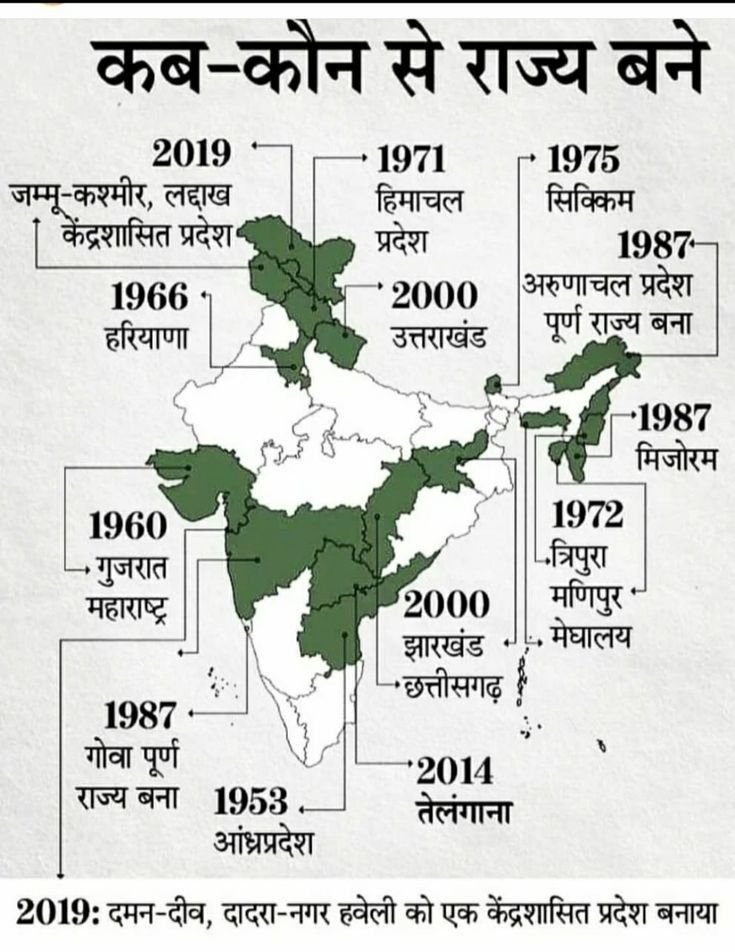
📜 भारत के राज्य निर्माण की समयरेखा –
🗺️ जानिए किस वर्ष कौन-सा राज्य बना।
🎯 परीक्षाओं में पूछे जाने वाले सबसे महत्वपूर्ण तथ्य एक नज़र में।
#IndianPolity #StateFormation #StaticGK #UPSCPreparation #SSCExam #RailwayExam #IndiaGK #OneLinerGK श्री श्याम श्री राधे अक्षय खन्ना
3
17
348

5 Dec 2025
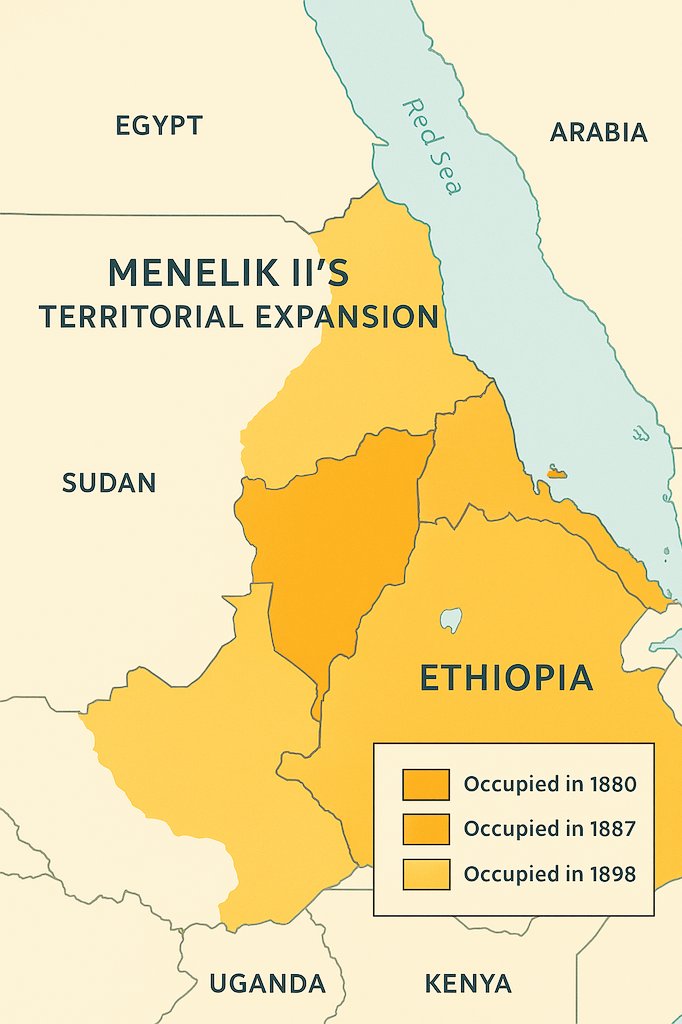
The Invented Nation: The Making of Modern Ethiopia in the 19th Century 🇪🇹
Modern Ethiopia did not emerge as an ancient, naturally formed nation but as an artificial creation shaped by an alliance between Abyssinian rulers and European imperial powers in the 19th century. Menelik of Shoa gained power with European support—especially access to firearms—enabling Abyssinia, then a cluster of small kingdoms, to conquer surrounding independent nations. European entrepreneurs and advisers introduced early capitalist practices and helped construct the administrative systems of the new state.
At the same time, European powers competing over the Horn of Africa resolved their rivalry by supporting Abyssinian expansion and presenting the resulting entity as an already existing “ancient” state. This political tactic laid the foundation for the “Greater Ethiopia” narrative. In 1891 an Italian official encouraged Menelik to claim that Ethiopia had long been recognized by Christian Europe, and this invented narrative was incorporated into Ethiopia’s official history to legitimize its new borders and unify its diverse peoples under a single identity.
Consequently, Ethiopia developed as a European-influenced imperial formation, built through conquest and sustained by myths that concealed its colonial origins.
#Neocolonialism #StateFormation
5 Dec 2025

I understand this may upset some Ethiopians, but I sincerely believe that examining how the real modern Ethiopian state was formed and developing a shared understanding of the history of the Horn of Africa can provide a foundation for building modern, integrated and cooperative states in our region. This approach could help break the cycle of endless war, poverty, and intra- and inter-state conflict.
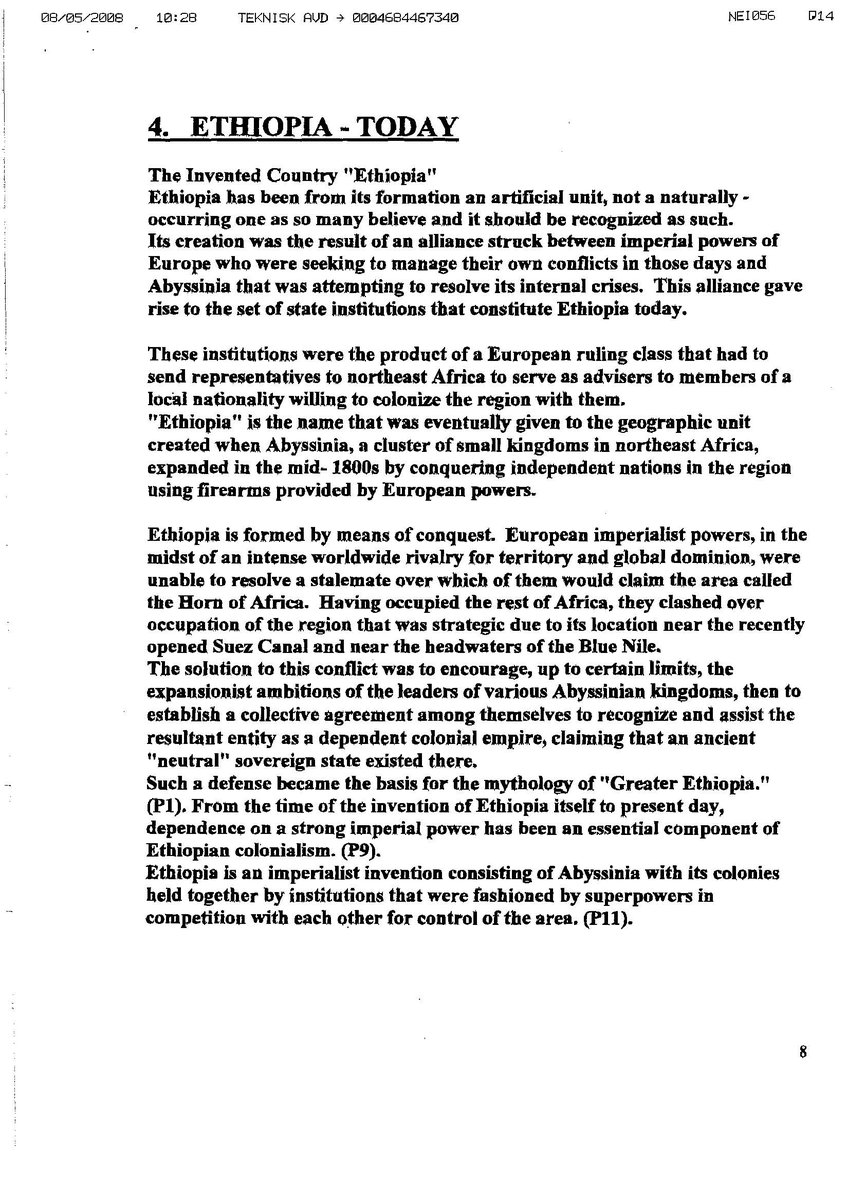
Ethiopia Today
The Invented Country “Ethiopia”
Ethiopia has, from its formation, been an artificial political unit rather than a naturally occurring one, as many people believe. It should be recognized as such.
Its creation was the result of an alliance between European imperial powers—who were trying to manage their own rivalries at the time—and Abyssinia, which was attempting to resolve its internal crises. This alliance gave rise to the set of state institutions that constitute Ethiopia today.
These institutions emerged from a European ruling class that sent representatives to northeast Africa to serve as advisers to a local nationality willing to colonize the region in partnership with them.
“Ethiopia” is the name eventually applied to the geographic unit created when Abyssinia, then a cluster of small kingdoms in northeast Africa, expanded in the mid-1800s by conquering independent nations in the region using firearms supplied by European powers.
Ethiopia was formed through conquest. European imperial powers—locked in an intense global rivalry for territory and dominance—were unable to resolve a stalemate over who would claim the area known as the Horn of Africa. Having already divided most of the continent among themselves, they clashed over this strategically important region near the recently opened Suez Canal and the headwaters of the Blue Nile.
Their solution was to encourage, within limits, the expansionist ambitions of various Abyssinian leaders and later establish a collective agreement among themselves to recognize and assist the resulting entity as a dependent colonial empire, all while claiming that an ancient and “neutral” sovereign state already existed there.
This justification became the foundation for the mythology of “Greater Ethiopia” (p.1). From the time Ethiopia itself was invented to the present day, dependence on a powerful external patron has remained a defining feature of Ethiopian colonialism (p.9).
Ethiopia is thus an imperial invention, consisting of Abyssinia and the territories it colonized, held together by institutions shaped by competing global powers seeking control over the region (p.11).
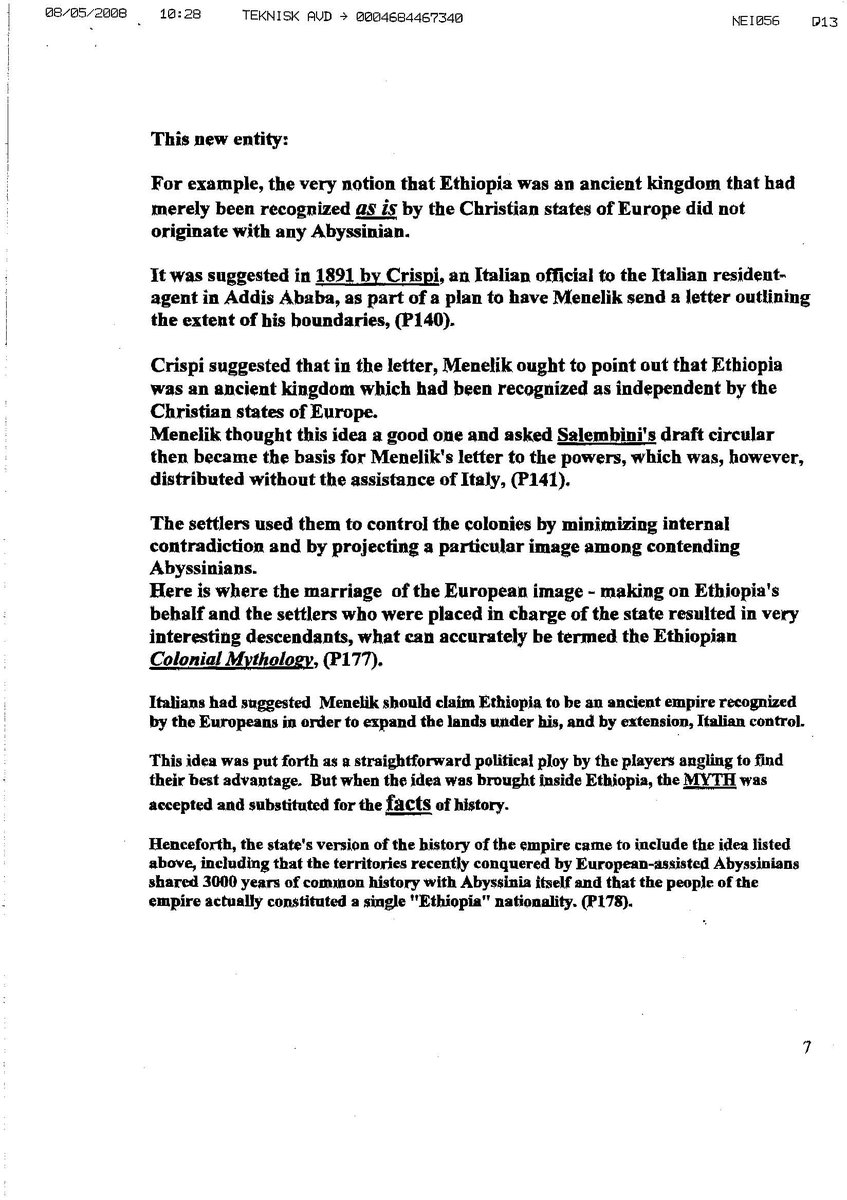
For example, the very notion that Ethiopia was an ancient kingdom that had merely been recognized as is by the Christian states of Europe did not originate with any Abyssinian. It was first suggested in 1891 by Crispi, an Italian official, to the Italian resident-agent in Addis Ababa as part of a plan to have Menelik send a letter outlining the extent of his boundaries (p.140).
Crispi proposed that, in the letter, Menelik ought to point out that Ethiopia was an ancient kingdom which had been recognized as independent by the Christian states of Europe. Menelik thought this idea a good one and asked Salembini to draft a circular. That draft then became the basis for Menelik’s letter to the powers, which was, however, distributed without the assistance of Italy (p.141).
The settlers used these narratives to control the colonies by minimizing internal contradictions and by projecting a particular image among contending Abyssinians. This is where the marriage between European image-making on Ethiopia’s behalf and the settlers who were placed in charge of the state produced very interesting descendants—what can accurately be termed the Ethiopian Colonial Mythology (p.177).
The Italians had suggested that Menelik should claim Ethiopia to be an ancient empire recognized by the Europeans in order to expand the lands under his, and by extension, Italian control. This idea was put forward as a straightforward political ploy by actors seeking their best advantage. But when the idea was brought inside Ethiopia, the myth was accepted and substituted for the actual facts of history.
Henceforth, the state’s version of the history of the empire came to include the idea described above, including the claim that the territories recently conquered by European-assisted Abyssinians shared 3,000 years of common history with Abyssinia itself, and that the people of the empire constituted a single “Ethiopian” nationality (p.178).
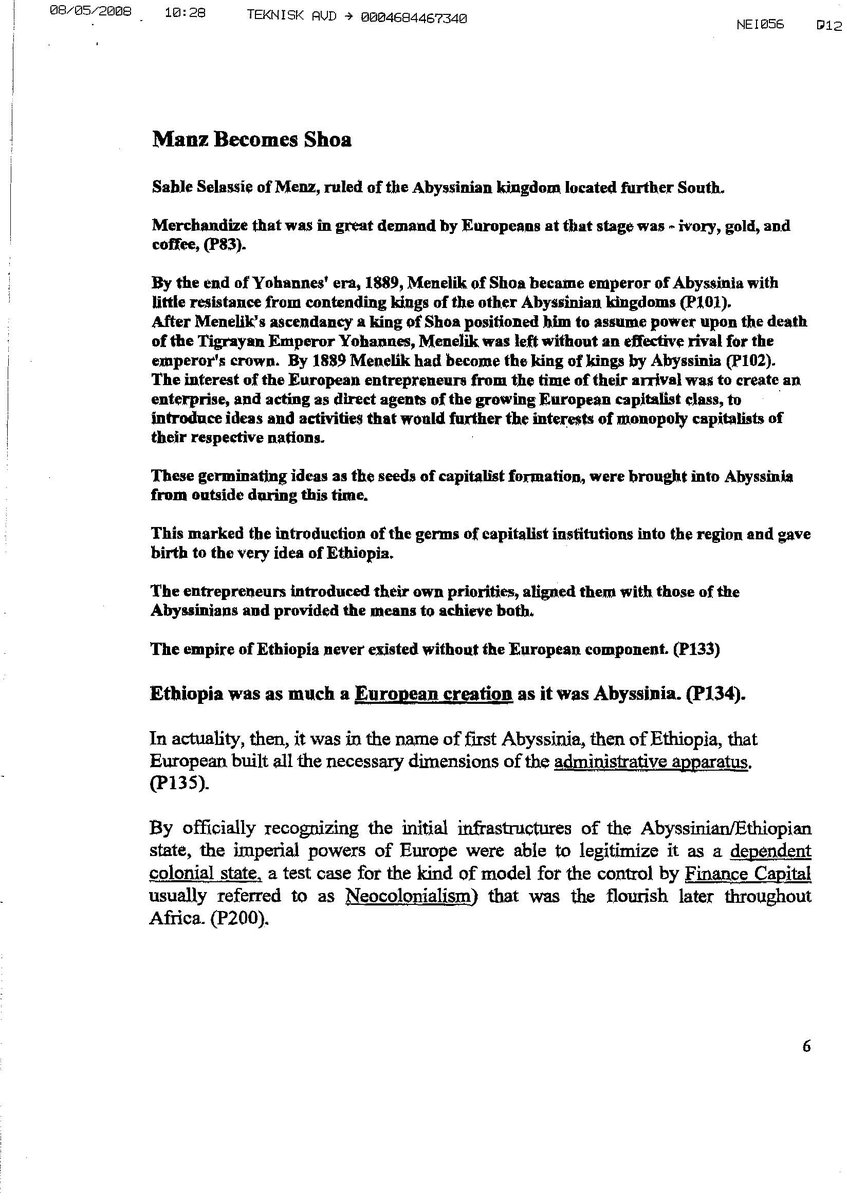
Menz Becomes Shoa
Sahle Selassie of Menz ruled over the Abyssinian kingdom located farther south. Merchandise that was in great demand by Europeans at that stage included ivory, gold, and coffee (p.83).
By the end of Yohannes’ era, in 1889, Menelik of Shoa became emperor of Abyssinia with little resistance from the contending kings of the other Abyssinian kingdoms (p.101). After Menelik’s ascendance, the position of king of Shoa allowed him to assume power upon the death of the Tigrayan Emperor Yohannes. Menelik was left without an effective rival for the emperor’s crown. By 1889, Menelik had become the king of kings of Abyssinia (p.102).
The interest of European entrepreneurs from the time of their arrival was to create an enterprise and, acting as direct agents of the growing European capitalist class, to introduce ideas and activities that would further the interests of monopoly capitalists in their respective nations.
These germinating ideas—the seeds of capitalist formation—were brought into Abyssinia from the outside during this period. This marked the introduction of the germs of capitalist institutions into the region and gave birth to the very idea of Ethiopia.
The entrepreneurs introduced their own priorities, aligned them with those of the Abyssinians, and provided the means to achieve both. The empire of Ethiopia never existed without the European component (p.133). Ethiopia was as much a European creation as it was Abyssinia (p.134).
In actuality, it was in the name of first Abyssinia and then Ethiopia that Europeans built all the necessary dimensions of the administrative apparatus (p.135).
By officially recognizing the initial infrastructures of the Abyssinian/Ethiopian state, the imperial powers of Europe were able to legitimize it as a dependent colonial state—a test case for the kind of model for control by finance capital, usually referred to as neocolonialism, that would later flourish throughout Africa (p.200).
3
37
44
2,308

29 Nov 2025
Repeating stateformatio, stateformation blah blah, is meaningless in the wrong place, false narrative you carried for years, you did not have the status of a statehood until Menelik the Second came and formed the state of Ethiopia.
2
2
206

8 Nov 2025
उत्तरकाशी में उत्तराखंड के 25वें स्थापना दिवस पर राज्य आंदोलनकारियों का सम्मान किया गया
#UttarakhandDay #StateFormation #VeerShaheed #Bharat24Digital
@dm_uttarkashi
1
2
86

3 Nov 2025
देहरादून : आज से शुरू होगा उत्तराखंड विधानसभा का सत्र
➡उत्तराखंड राज्य स्थापना रजत जयंती पर विशेष सत्र
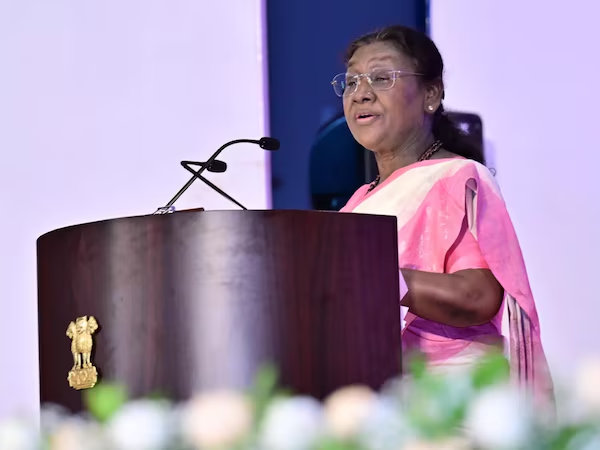
➡सदन में राष्ट्रपति द्रौपदी मुर्मू का होगा संबोधन
➡राज्य के स्वर्णिम भविष्य पर होगी व्यापक चर्चा
#Dehradun #Uttarakhand #Assembly #StateFormation #UttarPradesh @rashtrapatibhvn
3
654

29 Oct 2025
देहरादून
राज्य गठन के पच्चीस वर्ष पूरे होने पर रजतोत्सव की तैयारी को लेकर शासन, प्रशासन अपनी तैयारियों में जुटा है। राज्य गठन के अवसर पर विभिन्न कार्यक्रमों की रूपरेखा तैयार की जा रही है। वहीं, सांस्कृतिक एवं लोक कला-साहित्य की उपाध्यक्ष व राज्यमंत्री मधु भट्ट ने कहा कि प्रदेश को देवभूमि भी कहा जाता है, जिसके चलते रजत जयंती को हर्षोल्लास से मनाने के लिए लोक कला व सांस्कृतिक विभाग द्वारा 1 नवंबर से 9 नवंबर तक हिमालयी राज्यों के सांस्कृतिक समागमों के तहत विभिन्न कार्यक्रम आयोजित किए जाएंगे।
उन्होंने बताया कि प्रदेश का लोकपर्व इगास भी 1 नवंबर को मनाया जाएगा, जिसके चलते सभी विधायक और सांसद गांव-गांव जाकर इस पर्व को मनाएंगे। साथ ही मुख्यमंत्री आवास पर भी इगास के पर्व को रजत जयंती के साथ मनाया जाएगा।
#RajatJayanti #festival #Devbhoomi #Uttarakhand #FolkArt #CulturalEvent #StateFormation #primenews
3
36

10 Sep 2025
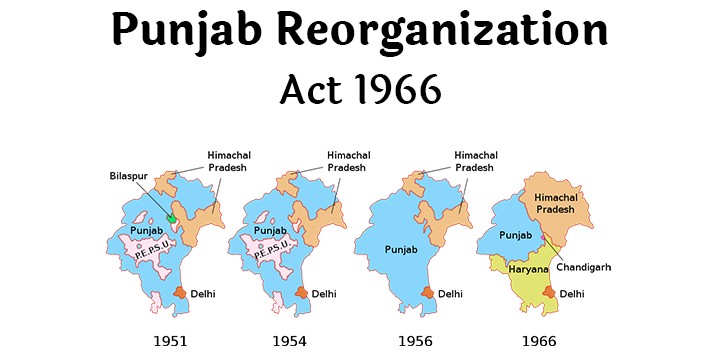
1966: Punjab Reorganisation Act passed, bifurcating Punjab into Punjab & Haryana states on linguistic lines. This reshaped North India's political map, addressing long-standing demands for Haryana's identity. #StateFormation #IndianFederalism #OnThisDate #OnThisDay #History
1
3
46